
Your First Garden: Everything You Need to Know Before You Dig
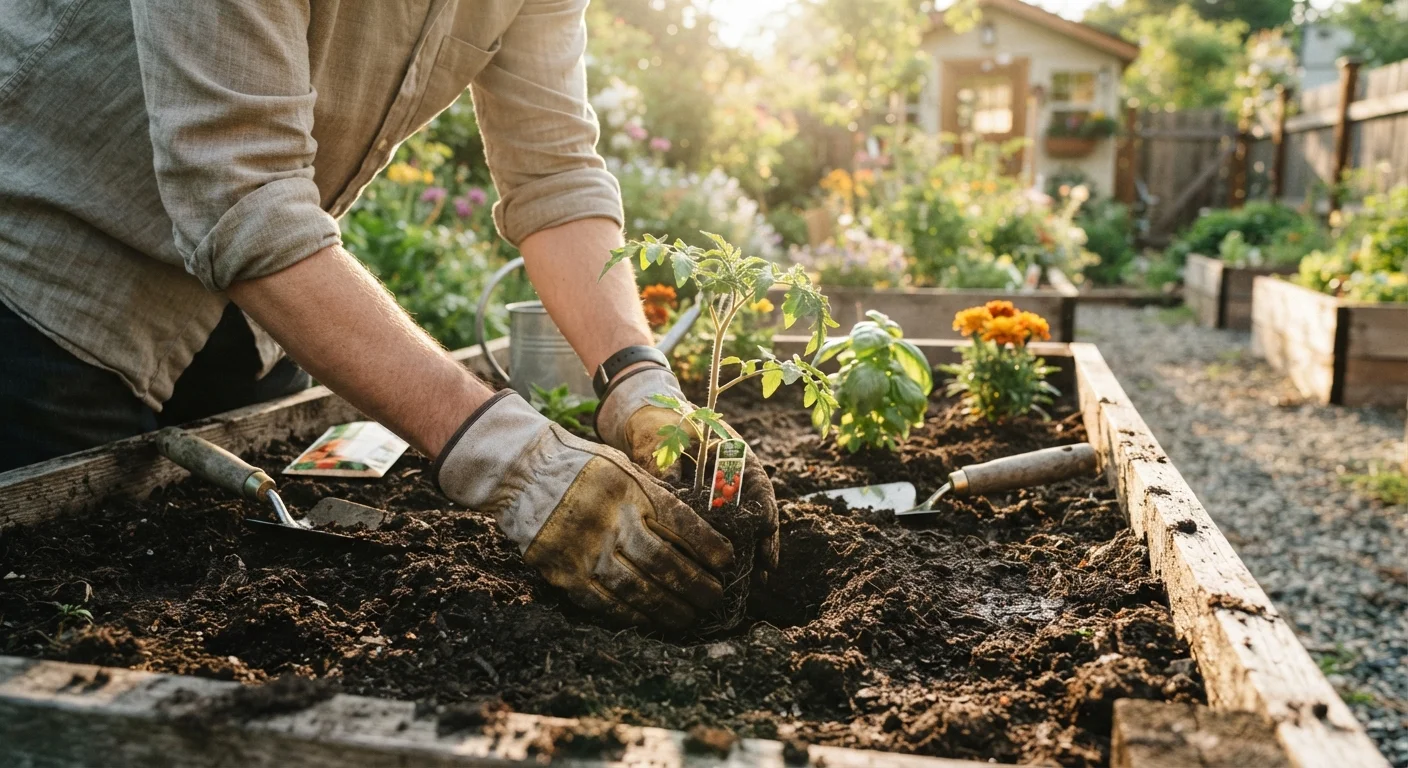
Photo credit: ProximityFinds.com | One-stop Reading Source
In this article
Starting a garden from scratch? Learn how to plan your space, choose plants, and set yourself up for success from day one.
Key Takeaways
- A 4×4-foot plot is enough space for a productive, manageable first garden.
- Sunlight is the single most critical factor in choosing where to place your garden.
- Testing or amending your soil before planting dramatically improves your first-season results.
- Overwatering is one of the most common reasons beginner gardens fail.
- Starting with easy, fast-rewarding plants builds confidence and teaches essential skills.
Start Small and Think Big
The most common first-garden mistake isn't choosing the wrong plants - it's starting too large. A 50-foot bed sounds exciting in February and becomes overwhelming by June. Experienced gardeners almost universally advise beginning with a modest, well-tended plot rather than an ambitious one that exhausts you mid-season.
A 4×4-foot or 4×8-foot bed gives you enough room to grow several different crops, practice essential skills, and actually enjoy the process. You can always expand next year with the confidence of knowing what works in your specific yard.
Think about your goals, too. Are you growing vegetables to supplement meals, cultivating herbs for the kitchen, or simply adding color and life to your yard? Your answer shapes every decision that follows - from bed placement to plant selection to how much time you'll realistically invest each week.
Sketch Your Plan Before You Dig
A quick pencil sketch of your intended garden - showing bed dimensions, planned crops, and sun direction - takes 10 minutes and saves hours of replanting. It also helps you think through spacing before committing to a layout.
Reading Your Yard: Light, Soil, and Water
Before you move a single shovelful of dirt, spend time observing your yard. Three factors determine whether a garden thrives or struggles: sunlight, soil quality, and drainage.
Sunlight: Most vegetables require 6-8 hours of direct sun per day. Walk your yard at different times of day and note which areas receive full sun versus shade. Our guide on mapping your yard's light patterns walks you through this process in detail.
Soil: Healthy garden soil is loose, dark, and rich in organic matter. Compacted, sandy, or clay-heavy soil needs amendment before planting. A basic soil test - available through your local cooperative extension office - tells you your pH level and nutrient profile, so you can add compost, lime, or other organic matter precisely where needed. See our guide on composting kitchen scraps into garden-ready material for a natural way to build soil quality over time.
Water access: Choose a location within reasonable reach of a hose or water source. Carrying watering cans across your yard every day is a chore that quietly discourages follow-through.
Frost date
The average date of the last freezing temperature in spring (or first in fall) for your area. Planting warm-season crops before this date risks killing them.
Soil pH
A measure of how acidic or alkaline your soil is, on a scale of 0-14. Most vegetables grow best in slightly acidic soil between pH 6.0 and 7.0.
Compost
Decomposed organic material - food scraps, leaves, grass clippings - that enriches soil with nutrients and improves its structure.
Full sun
A garden term meaning a location receives at least 6 hours of direct sunlight per day. Most vegetables require full sun to produce well.
Mulch
A layer of material spread over soil around plants to hold moisture, suppress weeds, and regulate soil temperature. Common materials include straw, wood chips, and shredded leaves.
Direct sow
Planting seeds directly into garden soil rather than starting them indoors first. Many vegetables, like beans and carrots, grow better when direct sown.
Choosing What to Grow
Pick plants suited to your region's climate, your available sunlight, and your honest assessment of how much attention you can give. Beginner-friendly vegetables include lettuce, radishes, bush beans, cherry tomatoes, and zucchini - all of which reward you with visible results relatively quickly.
Herbs like basil, chives, and parsley are forgiving, useful in the kitchen, and well-suited to small spaces or containers. If you're working with a patio or balcony rather than a yard, our guide on container gardening for limited outdoor spaces covers everything you need.
Resist the urge to plant everything that appeals to you in the seed catalog. Choose four to six varieties your first season. This keeps maintenance manageable and lets you observe how different plants perform in your specific conditions.
Setting Up Your Garden Space
Once you've chosen your location, you need to decide between raised beds and planting directly in the ground. Raised beds give you full control over soil quality and drain well, but require an upfront investment in lumber and fill mix. In-ground beds are less expensive to start but depend heavily on your existing soil. Our article on raised beds vs. in-ground planting breaks down the trade-offs side by side.
To prepare an in-ground bed, clear the area of grass and weeds, loosen the soil to about 12 inches deep, and work in 2-3 inches of compost. For a raised bed, fill it with a mix of topsoil, compost, and a coarse material like perlite for drainage.
Mark your bed edges clearly. A defined garden space is easier to maintain and less likely to get encroached on by surrounding lawn.
Raised Bed Lumber: What to Know
Use naturally rot-resistant or untreated wood for raised beds in contact with edible plants. Cedar and redwood are commonly recommended for their durability. Avoid wood treated with older preservatives, as some contain compounds you may not want near food crops. When in doubt, check current guidance from your local cooperative extension service.
Planting, Watering, and Keeping Things Alive
Follow seed packet or transplant tag spacing guidelines - crowded plants compete for nutrients and airflow, which invites disease. Plant on a calm, overcast day when possible to reduce transplant stress.
Watering consistently is more important than watering perfectly. Most vegetable gardens need about one inch of water per week. Water at the base of plants, not overhead, to reduce fungal problems. Our guide on garden watering habits that help plants thrive explains how to build a routine that works season to season.
Mulching around plants with straw or wood chips retains moisture, suppresses weeds, and moderates soil temperature - three significant benefits for minimal effort. Apply a 2-3 inch layer after planting, keeping mulch a few inches away from plant stems.
Common Beginner Mistakes to Avoid
Knowing what not to do is just as valuable as knowing what to do. The most common pitfalls for first-time gardeners include:
- Overwatering: More plants die from too much water than too little. Let the top two inches of soil dry between waterings for most vegetables.
- Ignoring spacing: Seed packets give spacing recommendations for good reasons. Crowding leads to poor air circulation and disease.
- Skipping soil prep: Planting into unamended, compacted, or nutrient-poor soil handicaps plants from day one.
- Starting too large: An overwhelming garden gets abandoned. A manageable one gets tended - and expanded confidently next season.
- Planting before last frost: Know your area's last expected frost date before putting warm-season crops in the ground. Your local cooperative extension office is the most reliable regional source for this information.
When you're ready to move into your second season with more structure, our spring garden prep checklist gives you a zone-by-zone plan to hit the ground running.
Check for Underground Utilities First
Before digging any new garden bed, call 811 (the national "Call Before You Dig" service in the U.S.) to have underground utility lines marked. This is a free service and protects you from accidental contact with electrical, gas, or water lines.
Frequently Asked Questions

Author
Home Editorial Team
Home Editorial Team is the collective byline for our editorial team and contributor network. Articles published under this byline or an editorial pen name are researched, written, and reviewed according to our editorial standards for clarity, consistency, and independence before publication.
View all articles →