
Container Gardening: Growing Outdoors When Space Is Limited
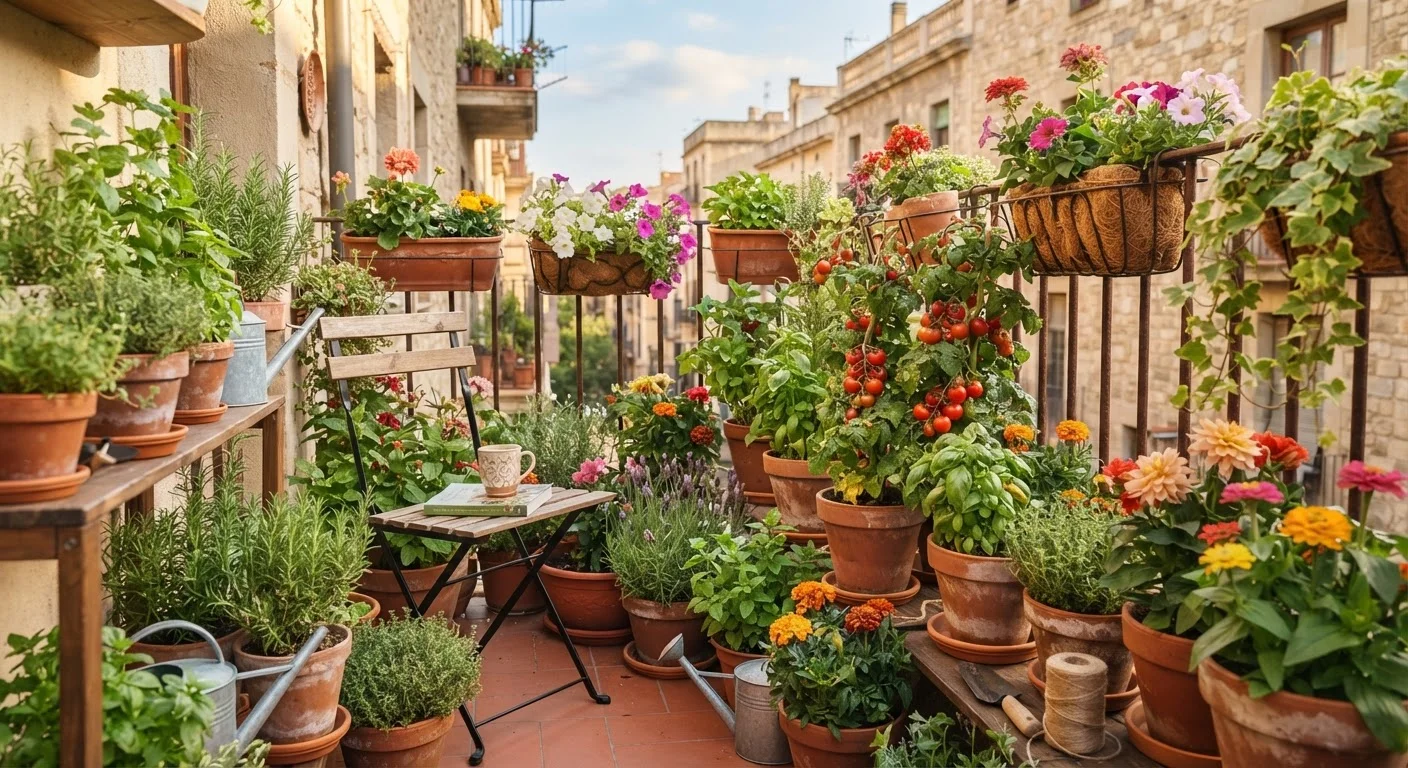
Photo credit: ProximityFinds.com | One-stop Reading Source
In this article
No yard? No problem. Container gardening lets you grow vegetables, herbs, and flowers on patios, balconies, and doorsteps.
Key Takeaways
- Container gardening works on any outdoor surface - balconies, patios, stoops, and rooftops all qualify.
- Drainage, soil mix, and container size are the three factors most critical to container plant success.
- Containers dry out faster than in-ground beds, so consistent watering is non-negotiable.
- Many vegetables, herbs, and dwarf fruit trees thrive in containers when matched to the right pot size.
- Weight limits matter - check your balcony's load rating before filling large planters with wet soil.
Works on any outdoor surface with sunlight
Patios, balconies, rooftops, and front stoops all qualify as container garden locations. No yard access is required, making this the default option for renters and apartment residents.
Full control over soil quality
You choose and mix your growing medium from the start, bypassing poor native soil, contamination concerns, or compacted clay that can make in-ground gardening frustrating for beginners.
Portable - move plants as conditions change
Containers can be repositioned to follow sunlight, moved indoors ahead of a frost, or relocated entirely when you move. This flexibility is simply not available with in-ground or raised-bed gardens.
Fewer pest and weed problems
Using fresh potting mix and elevated containers reduces exposure to soil-borne pests and virtually eliminates the weed pressure that frustrates many in-ground gardeners throughout the season.
Scalable from one pot to dozens
You can start with a single herb pot and expand incrementally as your confidence and space allow, with no permanent landscaping commitments at any stage.
Dries out much faster than in-ground soil
Container soil can dry out within a day or two during hot weather, meaning you may need to water daily in summer. Inconsistent watering is the leading cause of container plant failure.
Nutrients deplete quickly in closed soil
Because roots can't reach beyond the container, nutrients are consumed without natural replenishment. Regular fertilizing - typically every two to four weeks during the growing season - is necessary.
Root space limits plant size and yield
Even large containers restrict root spread compared to open ground. Fruiting crops like tomatoes and squash may produce less per plant in containers than they would in a garden bed.
Weight can be a structural concern
A large container filled with wet potting mix can weigh over 100 pounds. Balconies and decks have weight limits, and exceeding them poses a safety risk - always verify load ratings before placing heavy planters.
Ongoing costs add up over seasons
Potting mix, fertilizer, and containers represent recurring costs that don't exist in the same way with in-ground gardening. Some potting mixes benefit from partial replacement each season to maintain structure.
What Container Gardening Actually Means
Container gardening is exactly what it sounds like: growing plants in pots, planters, grow bags, window boxes, or any vessel that holds soil - rather than planting directly in the ground. It's been a standard practice in urban gardening for generations, and for good reason. Whether you're working with a 6-foot balcony or a modest front stoop, containers let you create a productive garden almost anywhere sunlight reaches.
The plants available to container gardeners are far wider than many beginners assume. Beyond classic herbs like basil and mint, you can grow salad greens, peppers, tomatoes, cucumbers (with vertical support), dwarf citrus trees, strawberries, and a full range of annual flowers. The key is matching plant size and root depth to the container. Before you start, review the fundamentals of garden planning so you choose varieties suited to your conditions.
The Advantages of Growing in Containers
Container gardening solves real problems that in-ground or raised-bed growing simply can't address for many households.
Works on any outdoor surface with sunlight
Patios, balconies, rooftops, and front stoops all qualify as container garden locations. No yard access is required, making this the default option for renters and apartment residents.
Full control over soil quality
You choose and mix your growing medium from the start, bypassing poor native soil, contamination concerns, or compacted clay that can make in-ground gardening frustrating for beginners.
Portable - move plants as conditions change
Containers can be repositioned to follow sunlight, moved indoors ahead of a frost, or relocated entirely when you move. This flexibility is simply not available with in-ground or raised-bed gardens.
Fewer pest and weed problems
Using fresh potting mix and elevated containers reduces exposure to soil-borne pests and virtually eliminates the weed pressure that frustrates many in-ground gardeners throughout the season.
Scalable from one pot to dozens
You can start with a single herb pot and expand incrementally as your confidence and space allow, with no permanent landscaping commitments at any stage.
80%
U.S. gardeners who live in urban or suburban areas
According to the National Gardening Association, the majority of American home gardeners live in settings where container growing is often the most practical option.
5-10 gal
Recommended container size for most vegetables
Most cooperative extension programs advise a minimum of 5 gallons for peppers and 10 gallons for indeterminate tomatoes to support adequate root development.
Mobility is one of container gardening's most underappreciated benefits. If your rental situation changes, your garden goes with you. You can also shift containers seasonally to chase sunlight - something a planted bed cannot do. For a deeper look at how container setups compare to other approaches, see our comparison of raised beds and in-ground planting.
The Disadvantages Worth Knowing Before You Start
Container gardening isn't without real limitations. Being honest about the challenges upfront helps you plan around them rather than being surprised mid-season.
Dries out much faster than in-ground soil
Container soil can dry out within a day or two during hot weather, meaning you may need to water daily in summer. Inconsistent watering is the leading cause of container plant failure.
Nutrients deplete quickly in closed soil
Because roots can't reach beyond the container, nutrients are consumed without natural replenishment. Regular fertilizing - typically every two to four weeks during the growing season - is necessary.
Root space limits plant size and yield
Even large containers restrict root spread compared to open ground. Fruiting crops like tomatoes and squash may produce less per plant in containers than they would in a garden bed.
Weight can be a structural concern
A large container filled with wet potting mix can weigh over 100 pounds. Balconies and decks have weight limits, and exceeding them poses a safety risk - always verify load ratings before placing heavy planters.
Ongoing costs add up over seasons
Potting mix, fertilizer, and containers represent recurring costs that don't exist in the same way with in-ground gardening. Some potting mixes benefit from partial replacement each season to maintain structure.
Feeding your containers well is one area where you can gain an edge. Because containers use a closed soil system, nutrients deplete faster than in the ground. Incorporating homemade compost into your potting mix stretches fertilizer needs considerably - our guide to composting at home walks you through the process from kitchen scraps to finished material.
Setting Up Containers for Success
A few foundational decisions make the difference between containers that thrive and containers that struggle.
Check Your Balcony's Weight Capacity First
Before assembling a container garden on a balcony or elevated deck, check the structure's load rating - typically listed in building plans or obtainable from your property manager or a structural engineer. Wet potting soil is significantly heavier than dry. Lightweight alternatives like perlite-heavy mixes or fabric grow bags can help reduce total weight without sacrificing growing performance.
- Drainage first. Every container needs drainage holes. Sitting water suffocates roots. If you love a decorative pot without holes, use it as a cachepot - drop a smaller, draining container inside it.
- Use potting mix, not garden soil. Garden soil compacts in containers, restricting roots and water flow. A quality potting mix stays loose and allows oxygen to reach roots.
- Right-size your containers. Tomatoes need at least a 5-gallon container; herbs can manage in 6-inch pots. Too small a container stunts root development and increases drought stress.
- Consider sun placement carefully. Most vegetables need 6-8 hours of direct sun. If your outdoor space has variable light, our guide to mapping your yard's light patterns applies even in container contexts - move pots to test before committing to a planting plan.
Before the growing season begins, use our spring garden prep checklist to inventory your containers, refresh potting mix, and get your space organized efficiently.

Author
Home Editorial Team
Home Editorial Team is the collective byline for our editorial team and contributor network. Articles published under this byline or an editorial pen name are researched, written, and reviewed according to our editorial standards for clarity, consistency, and independence before publication.
View all articles →