
A Plain-Language Glossary of Personal Budgeting Terms
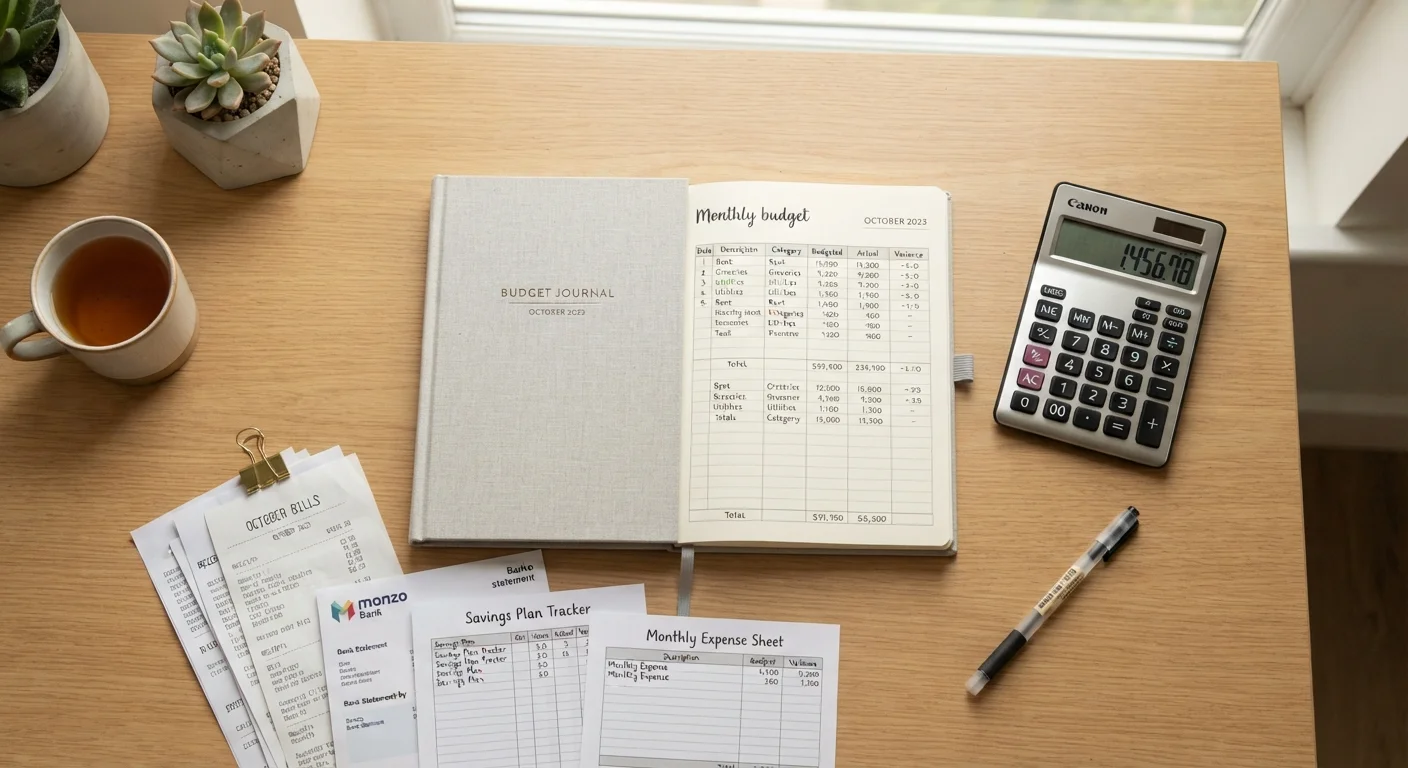
Photo credit: ProximityFinds.com | One-stop Reading Source
From discretionary spending to sinking funds, this quick-reference glossary defines the budgeting vocabulary you'll encounter most often.
Why Budgeting Vocabulary Matters
Budgeting guides and financial tools are full of shorthand - terms like discretionary income, zero-based budget, and sinking fund that can feel like a foreign language if no one has ever defined them for you. This glossary gives you plain-English definitions for the words you'll encounter most often as you build and maintain a personal spending plan.
Think of this as a quick-reference companion to foundational budgeting concepts. Once you know what the terms mean, putting them into practice becomes far more straightforward. For a deeper look at saving and debt vocabulary, see our saving and debt terms glossary.
Gross Income
The total amount you earn before any taxes, insurance premiums, or other deductions are taken out. Gross income is the starting point for most budget calculations.
Net Income
The money that actually lands in your bank account after taxes and payroll deductions. Net income - sometimes called take-home pay - is what you should base your budget on.
Fixed Expense
A recurring cost that stays the same each billing period, such as rent, a car loan payment, or a subscription fee. Fixed expenses are easier to budget for because the amount is predictable.
Variable Expense
A cost that changes from month to month, like groceries, gas, or utilities. Variable expenses require more active tracking because they fluctuate. See common spending categories for examples.
Discretionary Spending
Money spent on wants rather than needs - dining out, entertainment, hobbies, and similar choices. Discretionary spending is usually the most flexible part of a budget and the first place to look when cutting costs.
Non-Discretionary Spending
Essential expenses you must pay regardless of preference, such as housing, food, utilities, and healthcare. These costs are harder to reduce quickly.
Zero-Based Budget
A budgeting method in which every dollar of income is assigned a specific purpose - savings, expenses, or debt payoff - so that income minus allocations equals zero. No money is left unaccounted for.
Sinking Fund
A dedicated savings pool you build gradually to cover a known future expense, such as a car repair, annual insurance premium, or holiday gifts. Instead of scrambling for a lump sum, you set aside a small amount each month.
Budget Surplus
The positive difference when your income exceeds your total expenses for a given period. A surplus can be directed toward savings, debt repayment, or investments. Visit our saving and debt hub for guidance on using a surplus wisely.
Budget Deficit
The shortfall that occurs when your expenses exceed your income for a period. A recurring deficit signals a need to either reduce spending, increase income, or both.
Pay Yourself First
A savings strategy in which you transfer a set amount to savings immediately when income arrives, before paying any bills or discretionary expenses. It treats saving as a non-negotiable line item rather than an afterthought.
Envelope Method
A cash-based budgeting system where you divide physical (or virtual) envelopes by spending category and only spend what is in each envelope. Once an envelope is empty, spending in that category stops for the month.
Key Numbers and Ratios You Should Know
Beyond individual terms, budgeting involves a handful of widely used benchmarks that help you gauge whether your spending is balanced. Use the quick facts below as a reference point - not a strict prescription, since every household's situation differs. A qualified financial adviser can help you apply these guidelines to your specific circumstances.
| 50/30/20 Rule - Needs | 50% of net income (Popularized by Senator Elizabeth Warren and Amelia Warren Tyagi in 'All Your Worth' (2005)) |
| 50/30/20 Rule - Wants | 30% of net income (General consumer budgeting guideline; adjust based on cost of living) |
| 50/30/20 Rule - Savings & Debt | 20% of net income (Includes emergency fund contributions, retirement savings, and extra debt payments) |
| Recommended Emergency Fund | 3-6 months of essential expenses (Consumer Financial Protection Bureau (CFPB) general guidance) |
| Housing Cost Benchmark | No more than 28-30% of gross income (Commonly cited by mortgage lenders and financial educators as a starting guideline) |
| Savings Rate - National Average | Varies; historically 5-8% of disposable income (U.S. Bureau of Economic Analysis, personal saving rate data) |
If you want to go further with the underlying concepts, our complete personal budgeting guide covers methods, pitfalls, and long-term habits in one place. And when you're ready to look beyond budgeting basics, our investing glossary decodes the terms you'll meet next.
These Numbers Are Starting Points, Not Rules
Guidelines like the 50/30/20 rule are useful anchors, but they don't fit every household. High cost-of-living areas, significant debt loads, or irregular income may require a different allocation. Use these benchmarks to begin a conversation with your numbers - not as a rigid formula. A certified financial planner (CFP) can help you tailor a budget structure to your actual situation.
This article is for general informational and educational purposes only. It is not personalized financial advice. Consult a licensed financial professional before making decisions about your own finances.

Author
Finance Editorial Team
Finance Editorial Team is the collective byline for our editorial team and contributor network. Articles published under this byline or an editorial pen name are researched, written, and reviewed according to our editorial standards for clarity, consistency, and independence before publication.
View all articles →