
Grocery Shopping With Nutrition in Mind
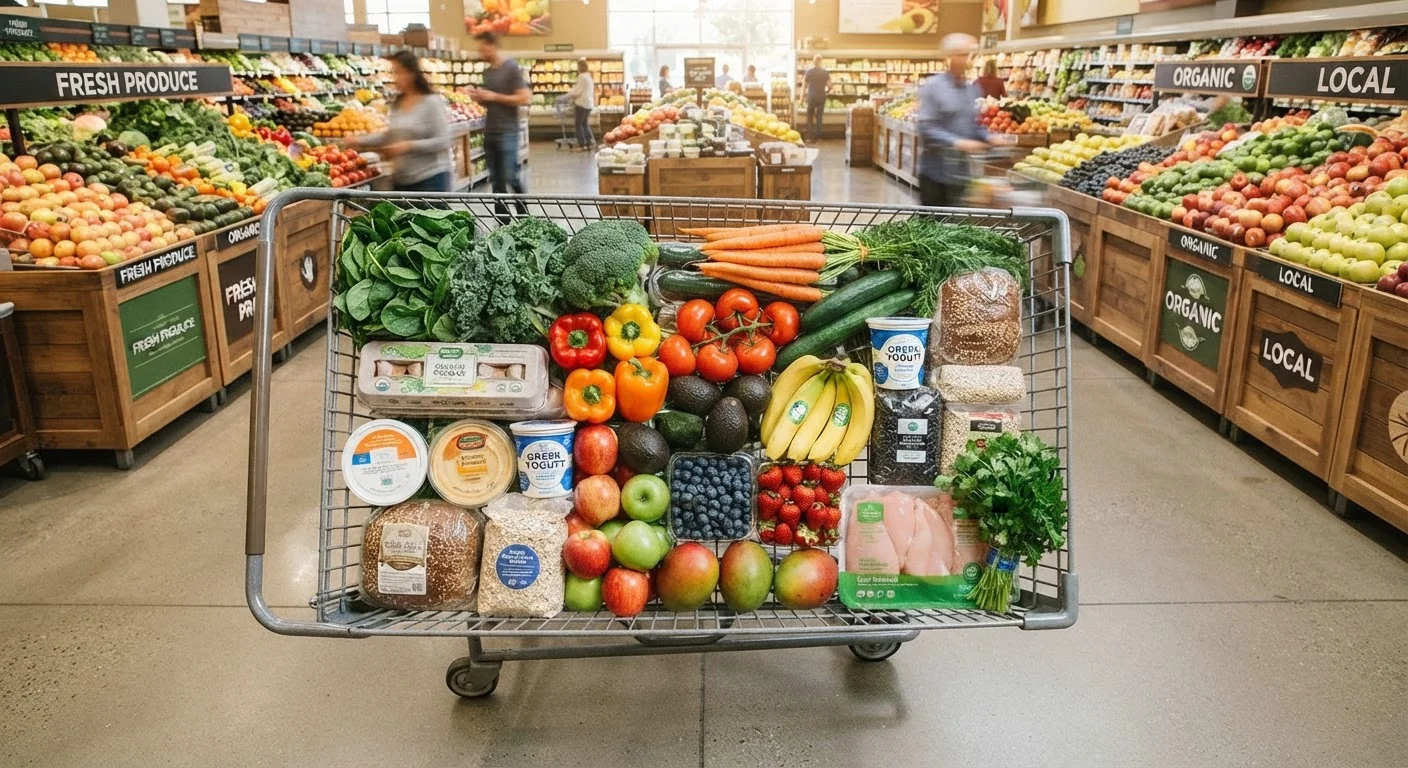
Photo credit: ProximityFinds.com | One-stop Reading Source
A practical checklist for navigating the grocery store with nutritional awareness — from produce to packaged goods.
Key Takeaways
- Planning your meals and list before shopping reduces impulse purchases of less nutritious foods.
- Whole foods - produce, legumes, whole grains - form the nutritional backbone of a healthy cart.
- Reading ingredient lists and Nutrition Facts panels helps you avoid hidden added sugars and sodium.
- Perimeter shopping is a useful heuristic, but many nutritious staples live in the center aisles.
- A flexible checklist approach works across all budgets and dietary preferences.
Why Bring a Nutrition Strategy to the Store
Most nutrition decisions happen not at the dinner table but in the grocery aisle. The items you place in your cart define what's available in your kitchen - and, by extension, what you actually eat. Yet most shoppers navigate the store without a clear nutritional framework, leaving them vulnerable to marketing claims, confusing labels, and spur-of-the-moment choices.
This checklist is designed to change that. Whether you're new to thinking about food quality or looking to sharpen habits you already have, a structured approach to grocery shopping makes healthful eating far more consistent. For a strong foundation before you shop, start with our nutrition basics overview to understand macronutrients, food groups, and what a balanced diet actually looks like.
Before You Leave Home
Produce and Fresh Foods
Proteins and Dairy
Grains and Pantry Staples
Reading Labels on Packaged Foods
Navigating Labels and Packaged Foods
Packaged foods are where nutrition decisions get complicated. Front-of-package claims like "multigrain," "natural," or "light" are marketing terms, not regulated nutritional standards. The only reliable information is on the Nutrition Facts panel and the ingredient list on the back or side of the package.
When scanning labels, prioritize ingredients - they are listed in descending order by weight. A product whose first few ingredients are refined grains, added sugars, or hydrogenated oils deserves scrutiny regardless of what the front label says. Our guide to reading a Nutrition Facts label breaks down every section of the panel, including how to interpret daily values and spot added sugars.
Front-Label Claims Are Not Regulated the Same Way
Terms like "natural," "made with whole grains," or "low fat" on the front of a package are not subject to the same standards as the Nutrition Facts panel. A product can carry these phrases and still contain significant amounts of added sugar or refined flour. Always cross-reference front-label claims with the actual ingredient list and Nutrition Facts before deciding.
It's also worth knowing that some seemingly healthy choices can undermine your goals. Common dietary traps - like over-relying on "low-fat" products or overlooking sodium in canned goods - can quietly erode an otherwise solid eating pattern.
Grocery list app or notepad
Keeps your planned meals and items organized before and during the shopping trip.
Nutrition Facts reference guide
Helps you interpret daily values and identify added sugars, sodium, and fiber on packaged food labels.
Reusable bags
Allows you to organize groceries by category - produce, proteins, pantry - making unpacking easier.
Meal planning template
Structures your weekly meals in advance so your shopping list reflects actual nutritional needs.
This article is for general informational and educational purposes only and does not constitute medical or dietary advice. Consult a qualified healthcare professional or registered dietitian for guidance tailored to your health needs.

Author
Health Editorial Team
Health Editorial Team is the collective byline for our editorial team and contributor network. Articles published under this byline or an editorial pen name are researched, written, and reviewed according to our editorial standards for clarity, consistency, and independence before publication.
View all articles →