
Reading a Nutrition Facts Label Without Getting Lost
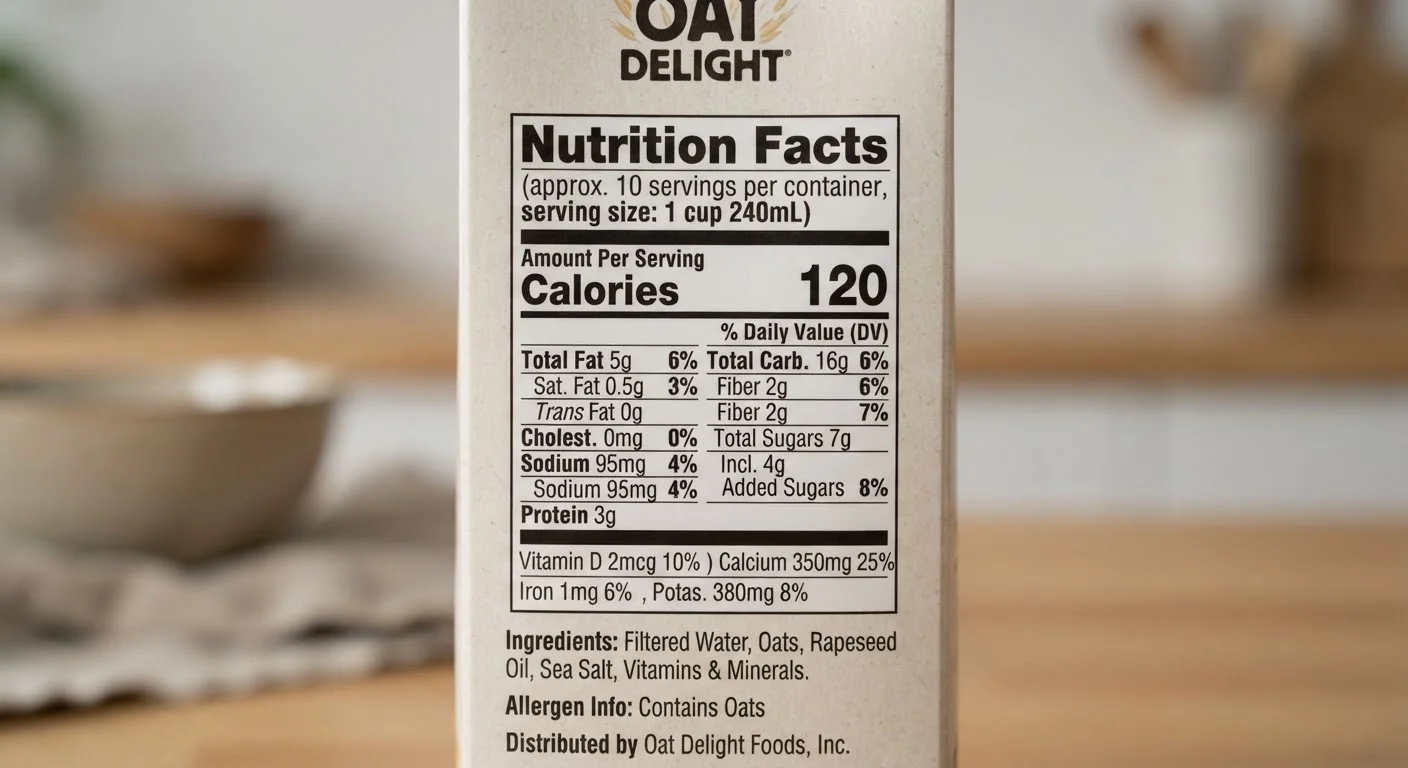
Photo credit: ProximityFinds.com | One-stop Reading Source
In this article
Serving sizes, daily values, added sugars — learn what each section of the Nutrition Facts panel actually means and how to use it.
Key Takeaways
- Always check serving size first - every other number on the label is based on that amount.
- % Daily Value uses a 2,000-calorie reference diet; 5% or less is low, 20% or more is high.
- Added sugars and total sugars appear separately - added sugars are the ones most worth monitoring.
- Sodium, saturated fat, and added sugars are the three nutrients most Americans consume in excess.
- The ingredient list is ordered from highest to lowest weight, revealing what dominates each product.
Why the Label Exists and What It Covers
The Nutrition Facts panel is a federally standardized tool required on most packaged foods sold in the United States. Its design is regulated by the Food and Drug Administration (FDA), which updated the format in 2016 to reflect newer nutrition science and eating patterns. If you are new to thinking critically about food, the essentials of nutrition provide useful background before diving into label reading.
The panel communicates five main categories of information: serving size and servings per container, calorie content, a breakdown of key nutrients, % Daily Values, and - at the bottom - footnote context. Understanding the logic behind each section makes the whole label far less overwhelming.
What you will need
Step-by-Step: How to Read the Label
Work through the panel from top to bottom. Each section builds on the one above it, so skipping around can lead to misinterpretation - particularly around calorie and nutrient totals.
Start With Serving Size
The very first line states the serving size (e.g., "2 crackers" or "1 cup") and the number of servings per container. Every number that follows - calories, grams of fat, milligrams of sodium - reflects that single serving, not the whole package. If you eat two servings, double every value shown.
Note the Calorie Count
Calories appear in large, bold type immediately below the serving information. This figure represents the total energy provided by one serving, combining contributions from fat (9 calories per gram), protein (4 cal/g), and carbohydrates (4 cal/g). Use this number as one data point, not the only measure of a food's nutritional value.
Review the Nutrient Breakdown
Below calories, the label lists total fat (broken into saturated and trans fat), cholesterol, sodium, total carbohydrates (broken into dietary fiber, total sugars, and added sugars), and protein. Amounts appear in grams (g) or milligrams (mg). This section gives you the raw quantity of each nutrient per serving.
Use % Daily Value as a Quick Reference
The right column shows % Daily Value (% DV) for most nutrients. This percentage tells you how much one serving contributes toward the daily recommended amount, based on a 2,000-calorie reference diet. Use the quick benchmark: 5% DV or less is considered low; 20% DV or more is considered high. These thresholds help you quickly categorize a food without doing math.
Check the Ingredient List
While not part of the Nutrition Facts panel itself, the ingredient list appears nearby and is essential context. Ingredients are listed in descending order by weight - whatever appears first dominates the product. Look for whole foods near the top and be aware of multiple forms of added sugar (corn syrup, dextrose, cane juice, etc.) that may be spread across several ingredient entries.
Comparing Products? Use the Same Serving
When evaluating two similar products, make sure their serving sizes match before comparing nutrient values. A bag of chips with a 1-oz serving and a competitor with a 1.5-oz serving are not directly comparable until you adjust. Some shoppers find it easier to compare per 100g values, which many products also list.
Nutrients to Watch and Why They Matter
The label highlights two groups of nutrients. Nutrients to limit - saturated fat, sodium, and added sugars - are linked to increased risk of chronic disease when consumed in excess over time. Nutrients to encourage - dietary fiber, vitamin D, calcium, iron, and potassium - are commonly under-consumed in American diets.
One area of frequent confusion is the sugar section. Total sugars includes both naturally occurring sugars (as found in milk or fruit) and added sugars. The added sugars line, introduced in the 2016 update, isolates sweeteners added during processing - a figure that carries more dietary significance. For context on how the % Daily Value figures are derived, see this plain-English guide to DVs and DRIs.
% Daily Value Is a Reference, Not a Personal Target
The 2,000-calorie baseline used to calculate % DV is a population-level reference, not a prescription. Individuals vary significantly in their caloric and nutrient needs based on age, sex, activity level, and health status. Use % DV to compare foods and identify patterns, but consult a registered dietitian for guidance tailored to your situation.
It is also worth remembering that calories are just one data point. As discussed in why calorie counts don't tell the whole story, food quality - nutrient density, fiber content, ingredient integrity - matters alongside total energy. Once you are comfortable reading labels in the store, grocery shopping with nutrition in mind offers a practical checklist to put these skills to work.
This article is for general informational and educational purposes only and is not a substitute for professional medical or dietary advice. Consult a registered dietitian or qualified healthcare provider for guidance specific to your health needs.

Author
Health Editorial Team
Health Editorial Team is the collective byline for our editorial team and contributor network. Articles published under this byline or an editorial pen name are researched, written, and reviewed according to our editorial standards for clarity, consistency, and independence before publication.
View all articles →