
Brake Wear: How to Recognize the Signs Before They Become a Safety Problem
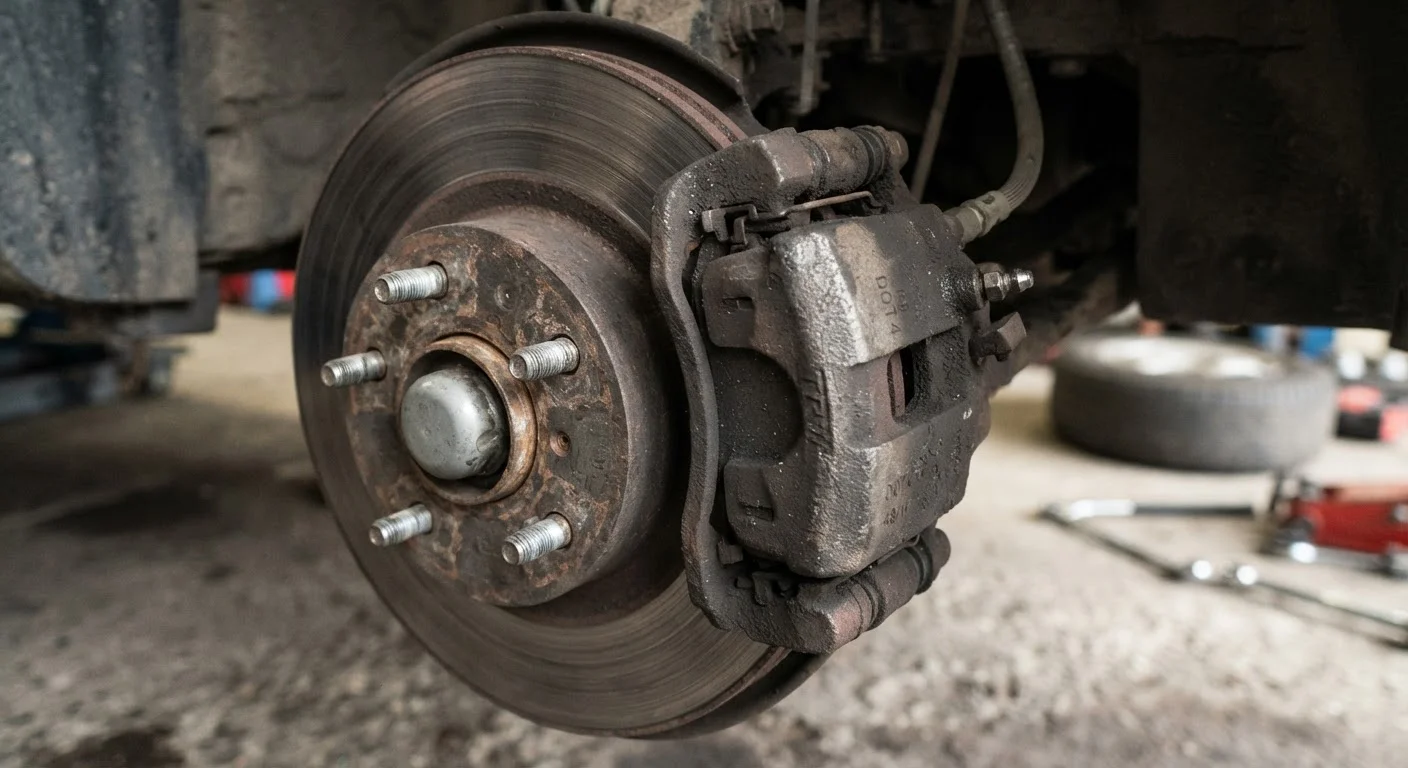
Photo credit: ProximityFinds.com | One-stop Reading Source
In this article
Squealing, grinding, pulling to one side — what these brake symptoms mean and why ignoring them puts more than your wallet at risk.
Key Takeaways
- Squealing and grinding are your brakes' built-in warning system - don't ignore them.
- Most brake pads should be inspected every 12,000 miles or at every other tire rotation.
- Delaying brake repairs almost always turns a minor job into a significantly more expensive one.
- Pulling to one side while braking points to a specific mechanical problem, not just general wear.
- A soft or spongy brake pedal is a serious safety warning that needs same-day attention.
Why Drivers Miss the Early Signs
Brake wear rarely happens overnight. It's a gradual process, which is exactly why so many drivers end up at the shop with rotors that are completely scored or pads worn down to bare metal. The changes are subtle enough that it's easy to adapt to them without realizing anything is wrong.
Understanding what normal brakes feel, sound, and respond like is the first step. From there, recognizing when something has shifted becomes much more straightforward. The mistakes below are the most common ones - and every one of them is avoidable.
Waiting for a warning light before checking brakes.
Why it happens: Many drivers assume the car will alert them to any serious problem. But not all vehicles have brake pad wear sensors, and those that do may only trigger a light when wear is already at a critical level.
Dismissing squealing as a temporary or minor annoyance.
Why it happens: Brakes can squeal on cold mornings or after rain without any real problem, so drivers learn to tune it out - even when the sound becomes consistent.
Ignoring a soft or spongy pedal feel.
Why it happens: Pedal feel changes gradually, making it hard to notice unless you're specifically paying attention. Drivers often adapt to a lower pedal without realizing it has changed.
Delaying repairs because the car still stops.
Why it happens: As long as the vehicle stops, the problem feels manageable. The urgency doesn't register until something more dramatic happens.
Assuming all four brakes wear at the same rate.
Why it happens: It's easy to think of brakes as a single system. In reality, front brakes typically handle 60-70% of the stopping force and wear significantly faster than rear brakes.
What the Symptoms Are Actually Telling You
Brake symptoms are specific, and each one points to a different underlying issue. A high-pitched squeal when you first apply the brakes is often the wear indicator - a small metal tab built into the pad that contacts the rotor when the friction material gets thin. That sound is intentional. It's engineered to get your attention.
A grinding noise, by contrast, usually means the pad material is gone and metal is contacting metal. At that point, you're likely damaging the rotor with every stop, which turns a pad replacement into a rotor replacement as well. Vibration through the pedal often signals warped rotors, frequently caused by repeated hard stops that overheat the metal. And a pull to one side suggests uneven pad wear or a stuck caliper - a problem that can affect your ability to steer during an emergency stop.
A Soft Pedal Is Never 'Wait and See'
If your brake pedal feels mushy, sinks closer to the floor than usual, or requires more pressure than before, don't drive the vehicle until it's been inspected. These symptoms can indicate air in the brake lines or a hydraulic leak - both of which can lead to brake failure. This is one of the few brake symptoms that warrants avoiding the vehicle entirely until a qualified mechanic has assessed it.
If your brake warning light is on, that's a separate but related signal worth understanding. See what your dashboard warning lights actually mean for a full breakdown of which symbols demand immediate attention.
Your driving habits also play a role in how quickly brakes wear. Frequent hard braking, heavy urban traffic, and towing all accelerate pad and rotor wear. How your everyday driving patterns affect vehicle wear explains this in more detail.
Building a Simple Inspection Habit
You don't need a lift or special tools to do a basic visual check. Many wheels have enough open space to see the brake pad thickness through the spokes. You're looking for at least a quarter inch of friction material visible. Anything less, or any metallic grooves visible on the rotor face, warrants a professional look.
A good rule of thumb: ask your mechanic to check brake pad thickness every time you get a tire rotation - typically every 5,000 to 7,500 miles. This adds no extra cost and keeps you from being caught off guard.
60-70%
Braking force handled by front brakes
Front brake pads typically wear significantly faster than rears due to the weight transfer that occurs during every stop.
~$100-$300
Typical cost of a pad-only replacement
Adding rotor replacement due to delayed service can more than double the repair cost, according to general industry estimates.
Before long trips especially, brakes deserve a quick check. A pre-trip safety walkthrough covers the full list of items most drivers overlook before hitting the highway. And for broader safe driving practices, the Driving & Safety hub is a useful resource to bookmark.
This article is for general informational purposes only. For any brake repair or inspection, consult a qualified mechanic. Do not attempt repairs involving hydraulic brake components without proper training and equipment.

Author
Automotive Editorial Team
Automotive Editorial Team is the collective byline for our editorial team and contributor network. Articles published under this byline or an editorial pen name are researched, written, and reviewed according to our editorial standards for clarity, consistency, and independence before publication.
View all articles →