
What Your Car's Warning Lights Are Actually Telling You
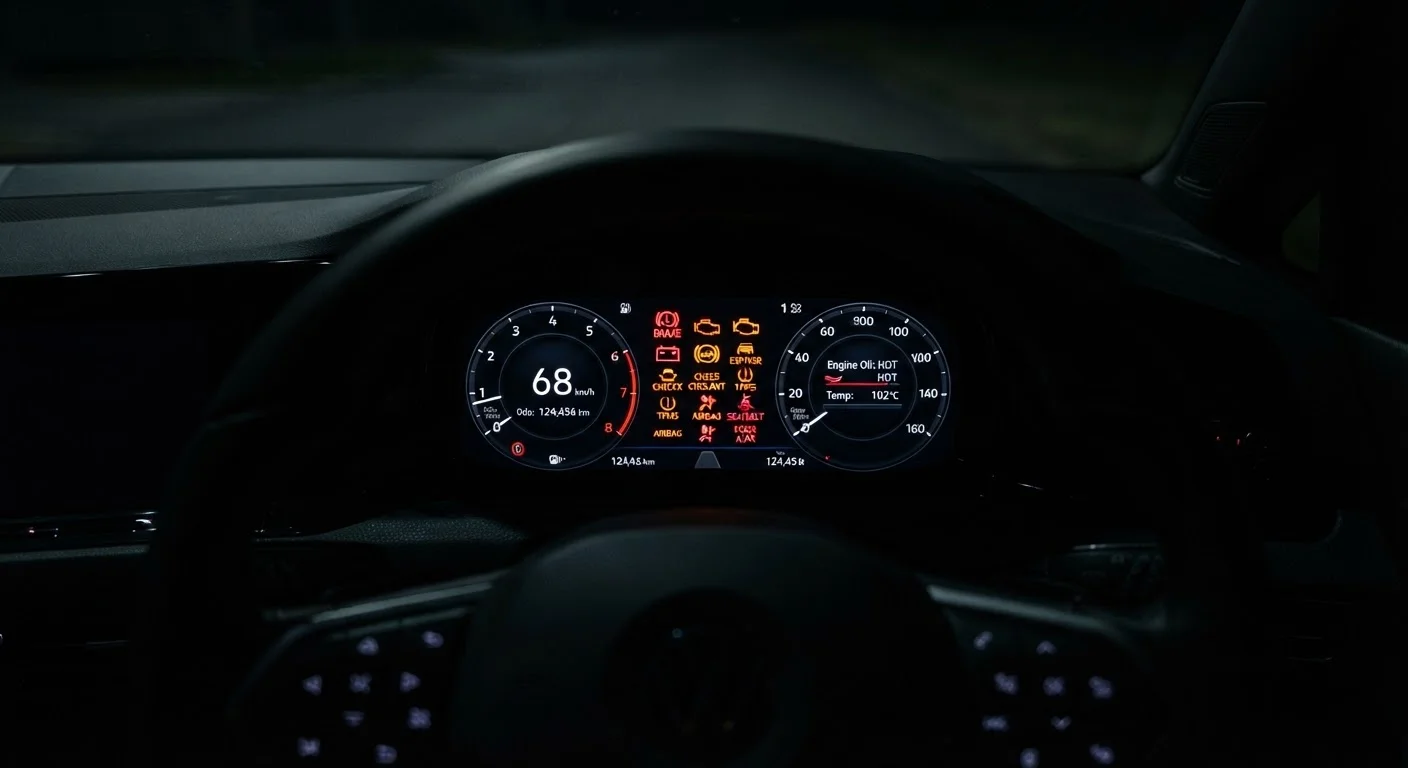
Photo credit: ProximityFinds.com | One-stop Reading Source
In this article
Dashboard warning lights decoded: what each symbol means, which ones need immediate attention, and when it's safe to wait.
The Color Code: Understanding Urgency at a Glance
Before you can decode a specific symbol, it helps to understand the color system behind dashboard warnings. Most modern vehicles follow a consistent three-tier logic:
- Red means stop, or at minimum act immediately. These lights signal conditions that can cause engine damage, brake failure, or a safety risk if ignored - even for a short drive.
- Yellow or amber means proceed with caution. Something needs attention, but you typically have time to get the car to a shop rather than pulling over on the spot.
- Green or blue is informational. Your high beams are on, your turn signal is active, or a driver-assist feature is engaged. No action required.
That simple framework - red is urgent, yellow is soon, green is normal - helps you make the right call in the moment. Keep it in mind as you work through the specific lights below.
| Color: Red | Stop or act immediately - potential safety or major mechanical issue |
| Color: Yellow / Amber | Caution - service needed soon, monitor the situation |
| Color: Green / Blue | Informational - system is active and operating normally |
| Check Engine Light | Can indicate anything from a loose gas cap to a misfiring cylinder |
| Oil Pressure Warning | Red - pull over safely and shut off engine as soon as possible |
| TPMS Warning | Amber - check all four tires; under-inflation affects handling and fuel economy |
| Battery / Charging Alert | Red - electrical system not charging; limited driving time remaining |
| Engine Temperature | Red - engine overheating; pull over and do not open the hood immediately |
The Lights That Demand Immediate Attention
Certain warning lights should prompt you to pull over safely and shut off the engine rather than drive another mile.
Oil Pressure Warning
This red light - usually shaped like an old-fashioned oil can - means your engine isn't receiving adequate oil pressure. Low oil pressure can destroy engine bearings within minutes. Pull over, turn off the car, and check the oil level once the engine is cool. Running it further risks catastrophic damage.
Engine Temperature Warning
A red thermometer symbol (sometimes paired with wavy lines representing coolant) means your engine is overheating. Driving an overheating engine can warp the cylinder head or crack the engine block. Pull over safely, turn off the engine, and do not open the hood or the coolant reservoir cap while it's hot - steam and pressurized coolant can cause serious burns. For more on coolant and related fluids, see our guide to your car's fluid system.
Battery / Charging Alert
A red battery symbol means the charging system isn't replenishing your battery. You may have a failed alternator, a broken drive belt, or a bad connection. The car will run on battery reserve only - typically 20-30 minutes or less - before electrical systems begin failing. Head to a shop without making unnecessary stops.
Brake System Warning
If this red light appears while driving (not just at startup), it may indicate low brake fluid, a pressure imbalance, or a failure in one of the brake circuits. Do not ignore it. Check the brake fluid reservoir; if it's at the correct level, have the system inspected immediately. For a deeper look at what brake wear looks and sounds like, see recognizing brake wear before it becomes a safety problem.
Your Owner's Manual Is the Final Word
Warning light symbols and their meanings can vary between makes, model years, and trim levels. The interpretations in this article reflect common conventions, but your vehicle's owner's manual is the definitive source for what each light means on your specific car. If you don't have the manual, most automakers offer digital versions on their websites.
Amber Lights: Schedule Service Soon
These yellow indicators don't require pulling over, but they do require a timely response.
Check Engine Light (MIL)
The most misunderstood light on any dashboard. A steady amber check engine light can mean something as minor as a loose gas cap or as significant as a failing catalytic converter or misfiring cylinder. The car's OBD-II system stores a specific fault code - a mechanic (or many auto parts stores) can read it with a scan tool. A flashing check engine light is more urgent; it often signals an active misfire that can damage the catalytic converter. In that case, treat it closer to a red warning and get it inspected quickly.
TPMS Warning
A horseshoe shape with an exclamation point inside indicates one or more tires are significantly under-inflated. Check all four tires with a gauge and inflate them to the pressure listed on the sticker inside your driver's door jamb (not the number on the tire sidewall). Proper inflation affects handling, fuel efficiency, and tire longevity. For help understanding everything printed on your tires, see tire markings decoded.
Low Fuel Warning
Straightforward, but worth noting: consistently running your tank near empty can strain your fuel pump, which relies on fuel for cooling in many vehicles.
OBD-II
On-Board Diagnostics, second generation - a standardized system built into most vehicles sold in the US after 1996. It monitors engine and emissions performance and stores fault codes readable with a scan tool.
Malfunction Indicator Lamp (MIL)
The technical name for the check engine light. It activates when the OBD-II system detects a fault code that affects emissions or engine operation.
TPMS
Tire Pressure Monitoring System - a sensor-based system that alerts the driver when one or more tires fall significantly below the recommended inflation pressure.
Limp Mode
A protective state some vehicles enter when a serious fault is detected. The car limits speed and power to prevent further damage and allow safe movement to a service location.

Author
Automotive Editorial Team
Automotive Editorial Team is the collective byline for our editorial team and contributor network. Articles published under this byline or an editorial pen name are researched, written, and reviewed according to our editorial standards for clarity, consistency, and independence before publication.
View all articles →