
Car Maintenance for New Drivers: Building Habits That Protect Your Investment
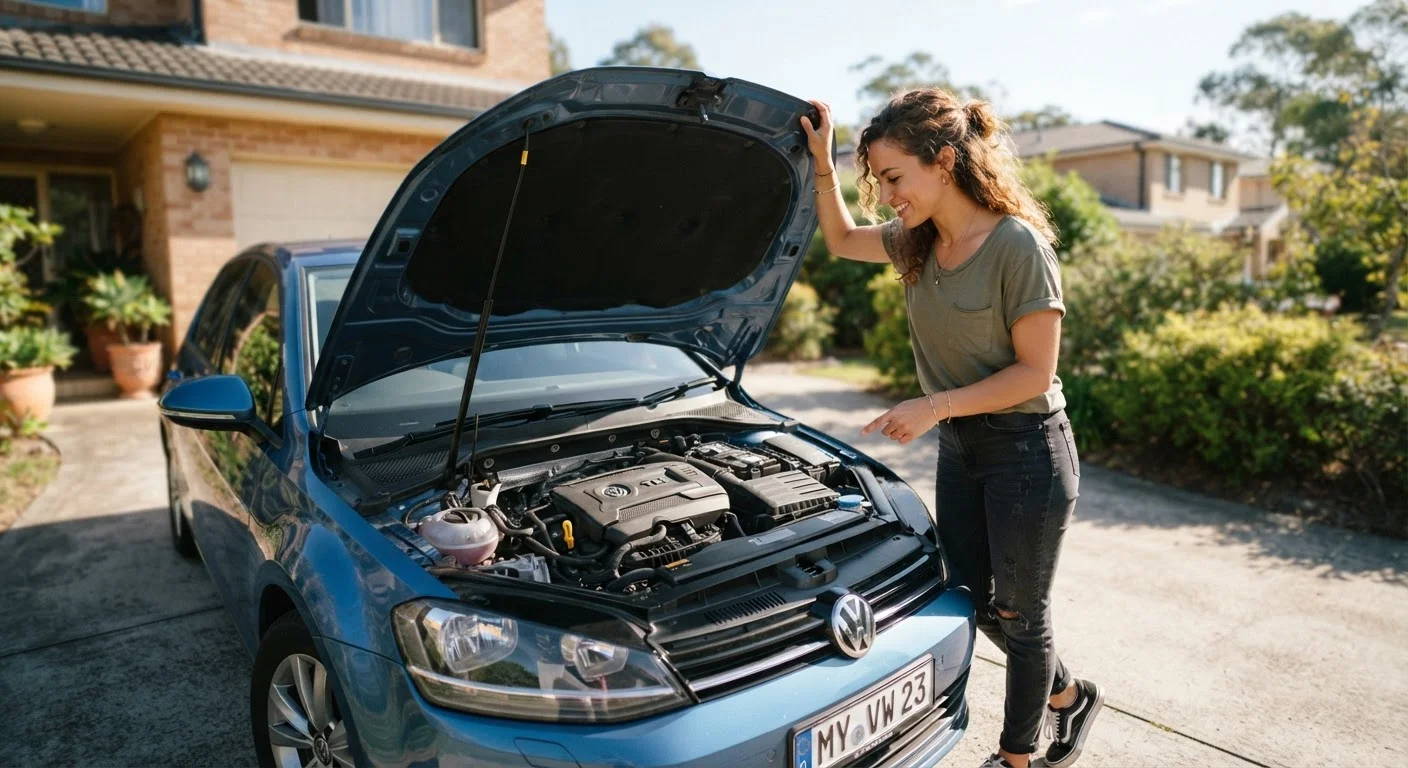
Photo credit: ProximityFinds.com | One-stop Reading Source
In this article
A grounded introduction to routine vehicle upkeep for first-time owners — covering what to check, how often, and why it matters.
Key Takeaways
- Consistent small checks prevent the majority of avoidable breakdowns and costly repairs.
- Your owner's manual is the most reliable source for your specific vehicle's service schedule.
- Oil, tires, brakes, and fluids are the four areas that deserve the most regular attention.
- Many basic inspections take just a few minutes and require no special tools.
- Knowing when to call a professional is just as important as knowing what you can handle yourself.
Why Maintenance Habits Matter From Day One
Owning a car is a significant financial commitment - and for most people, it's second only to a home. Yet many new drivers treat maintenance reactively, waiting for a warning light or an obvious problem before taking action. That approach almost always costs more in the long run.
The good news is that the core habits aren't complicated. A small amount of attention on a regular schedule does the heavy lifting. Vehicles that are consistently maintained tend to run more reliably, hold their value better, and present fewer expensive surprises. Neglected ones tend to experience compounding problems - one ignored issue creating the conditions for the next.
Your driving habits also play a direct role in how quickly components wear. How you accelerate, brake, and load your vehicle all influence maintenance needs over time.
The Checks You Can Do Yourself
A meaningful portion of routine vehicle care involves simple visual and physical checks that require no special skills or tools. Building these into a monthly routine is one of the most impactful things a new owner can do.
Dipstick
A long metal rod inserted into the engine that lets you check the level and condition of your engine oil without opening the engine itself.
Tire pressure (PSI)
The amount of air inside your tires, measured in pounds per square inch. Keeping it at the manufacturer's recommended level improves safety, fuel efficiency, and tire lifespan.
Tread depth
The depth of the grooves in your tire surface. Adequate tread is what allows tires to grip the road, especially in wet conditions.
Coolant
A fluid that circulates through the engine to prevent it from overheating. It's also called antifreeze and protects against extreme temperatures in both directions.
Service interval
The recommended mileage or time period between a specific maintenance service, such as an oil change or tire rotation. Manufacturer intervals are listed in your owner's manual.
- Engine oil: Pull the dipstick (usually marked with a yellow or orange handle), wipe it clean, reinsert it fully, then pull it again. The oil level should fall between the two markers on the stick. Low or very dark, gritty oil warrants attention.
- Tire pressure: Use an inexpensive tire gauge to check each tire - including the spare - against the recommended pressure listed in your owner's manual or on the door jamb sticker. Underinflated tires wear unevenly and reduce fuel efficiency.
- Tire tread depth: Insert a penny into a tread groove with Lincoln's head pointing down. If you can see the top of his head, the tread is worn low enough to consider replacement.
- Fluid reservoirs: Under the hood, you'll find clearly labeled, translucent reservoirs for coolant, brake fluid, and windshield washer fluid. Most have min/max markings that make a quick visual check easy.
- Lights: Walk around your car periodically and confirm headlights, taillights, turn signals, and brake lights are all functioning. A burned-out bulb is an inexpensive fix that affects both safety and legal compliance.
For a broader list of tasks that fall within safe DIY territory, see DIY car maintenance tasks that are genuinely safe for non-mechanics.
Make It a Monthly Habit
Set a recurring reminder on your phone for the first of each month to do a quick walkaround: tires, lights, and a fluid check under the hood. The whole process takes about five minutes and catches most developing issues before they become problems.
Service Intervals Every New Driver Should Know
Beyond what you can check yourself, certain services need to be performed at regular intervals by a shop. Understanding the general schedule helps you plan and avoid being caught off guard.
| Service | General Interval |
|---|---|
| Engine oil & filter | Every 5,000-10,000 miles (varies by oil type and vehicle) |
| Tire rotation | Every 5,000-7,500 miles |
| Cabin air filter | Every 15,000-25,000 miles |
| Brake inspection | Annually or with tire rotation |
| Coolant flush | Every 30,000-50,000 miles |
These are general figures - your vehicle's specific requirements may differ. See car maintenance intervals every driver should know for a more detailed reference. Climate and seasonal driving also shift what needs attention; seasonal maintenance guidance can help you plan ahead.
Using Your Owner's Manual (It's More Useful Than You Think)
The owner's manual that came with your vehicle isn't just a legal formality. It contains the manufacturer's recommended service schedule, correct fluid specifications, tire pressure settings, and guidance on warning lights - all tailored to your exact car.
One common pitfall for new drivers: accepting a quick-lube shop's suggested intervals as gospel without cross-checking them against the manual. Shops sometimes recommend more frequent services than the manufacturer requires. This doesn't mean shops are acting in bad faith, but the manufacturer's schedule is the authoritative baseline. Understanding the difference between the owner's manual and shop recommendations is worth the effort for any new driver.
If you bought a used vehicle without a manual, the manufacturer's website or a request to a dealership can often supply a digital copy.
Severe vs. Normal Driving Conditions
Many owner's manuals list two maintenance schedules: one for normal driving and one for 'severe' conditions - which includes frequent short trips, dusty environments, towing, or extreme temperatures. If your driving fits the severe category, shorter intervals typically apply. Check your manual to see how your vehicle's manufacturer defines each.
When to See a Mechanic
Knowing your limits is part of being a responsible car owner. Some symptoms should always prompt a professional inspection rather than a wait-and-see approach:
- The check engine light stays on (not just a brief flash at startup)
- Unusual sounds - grinding, knocking, or squealing - especially when braking or accelerating
- Visible fluid leaks beneath the car
- The vehicle pulling to one side while driving or braking
- Significant changes in fuel economy without an obvious explanation
When you do visit a shop, don't hesitate to ask for an explanation of what's being done and why. A trustworthy mechanic will walk you through the issue clearly. Getting a second opinion on major repairs is always a reasonable step.
How you drive also affects how often you'll need professional attention. Hard braking, short cold trips, and heavy idling all accelerate component wear - understanding this connection helps you make smarter decisions both behind the wheel and in the shop.
Frequently Asked Questions

Author
Automotive Editorial Team
Automotive Editorial Team is the collective byline for our editorial team and contributor network. Articles published under this byline or an editorial pen name are researched, written, and reviewed according to our editorial standards for clarity, consistency, and independence before publication.
View all articles →