
Car Maintenance Intervals Every Driver Should Know
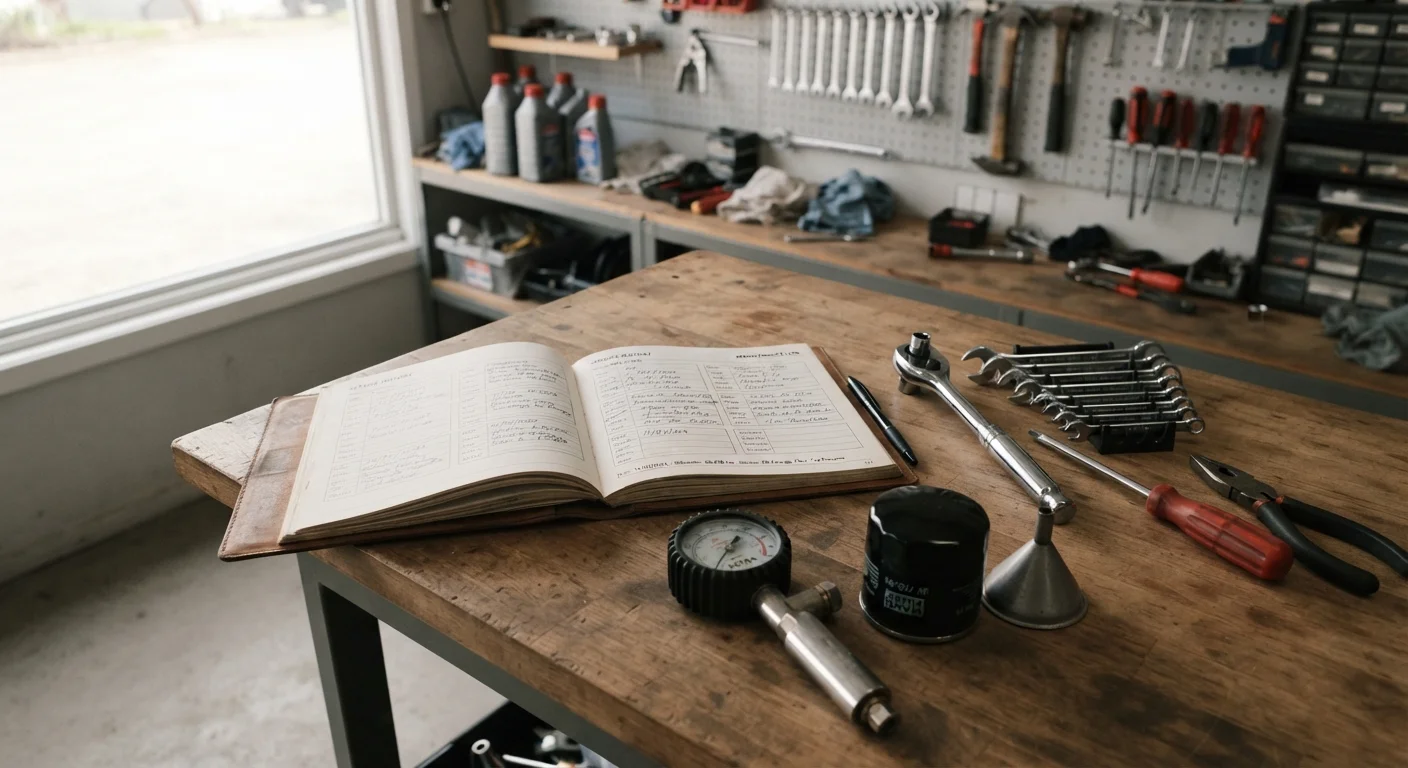
Photo credit: ProximityFinds.com | One-stop Reading Source
In this article
Oil changes, tire rotations, brake inspections, cabin filters — a practical reference for how often key services are typically needed.
Key Takeaways
- Your owner's manual is the single most reliable source for your vehicle's specific service intervals.
- Oil change frequency depends on oil type and driving conditions - not a universal 3,000-mile rule.
- Several key services are commonly overlooked, including cabin air filters and brake fluid changes.
- Severe driving conditions - extreme heat, towing, stop-and-go traffic - shorten most service intervals.
- Skipping scheduled maintenance can void portions of your powertrain warranty.
Why Maintenance Intervals Matter More Than You Think
Most car problems don't happen overnight. They build gradually - a slow fluid breakdown here, a worn component there - until something fails at the worst possible moment. Sticking to scheduled maintenance is how you stay ahead of that curve.
The intervals below represent general guidance based on common industry recommendations. Your specific vehicle may differ. Always cross-reference with your owner's manual, and if you're unsure whose timeline to trust, our guide on owner's manual vs. quick-lube shop recommendations explains how to sort it out.
One key concept worth understanding: severe service. If you regularly drive in stop-and-go traffic, extreme heat or cold, dusty environments, or tow/haul frequently, most manufacturers define that as severe service - and recommend shorter intervals across the board. See seasonal car maintenance guidance for how temperature extremes specifically affect your vehicle's systems.
Severe Driving Conditions Shorten Every Interval
Manufacturers typically define two maintenance schedules: normal and severe. Frequent short trips under 5 miles, extreme temperatures, towing, off-road driving, or heavy city stop-and-go traffic all qualify as severe use. If this describes your driving, apply the shorter intervals your owner's manual lists for severe service - not the standard ones.
What You'll Need to Use This Checklist
You don't need tools to use this reference - but having the right information on hand will make it far more useful. Pull these together before you audit your vehicle's service history.
Owner's Manual
Lists the manufacturer-specified service intervals for your exact make, model, and engine - the definitive reference for this checklist.
Service Records or Maintenance Log
Tracks when each service was last performed so you can accurately identify what's overdue.
Tire Pressure Gauge
Needed to verify tire inflation against the recommended PSI on your door placard.
Odometer Reading
Current mileage is required to calculate when mileage-based services are due.
Flashlight or Headlamp
Useful for visually inspecting belts, hoses, brake components, and fluid levels in low-light engine bays.
The Complete Maintenance Interval Checklist
Work through each group and compare the recommended intervals against your vehicle's last service dates. If you're unsure what a particular fluid or filter does, our article on your car's full fluid system is a solid starting point.
Every 3,000-7,500 Miles (or per oil life monitor)
Every 5,000-7,500 Miles
Every 15,000-30,000 Miles
Every 30,000-60,000 Miles
Every 2-3 Years (time-based, not just mileage)
As Needed / Condition-Based
Always Start With Your Owner's Manual
The intervals in this checklist are general reference points drawn from common manufacturer guidance - not universal rules. Your vehicle's actual requirements may be shorter or longer depending on its make, model, engine, and transmission type. Your owner's manual supersedes any general guideline, including this one. If you no longer have your manual, most manufacturers make them available as free PDF downloads through their official websites.
A Few Services Worth Extra Attention
Engine oil is the most discussed service interval, and also the most misunderstood. The old 3,000-mile rule is outdated for most modern vehicles using full-synthetic oil. Actual intervals commonly range from 5,000 to 10,000 miles depending on oil type and engine design. For a deeper look at why, see the logic behind oil change intervals.
Transmission fluid is frequently labeled a "lifetime fill" by some manufacturers - but that claim deserves scrutiny. The truth about lifetime fluids and filters lays out the evidence on when those labels hold up and when they don't. Transmission function is also worth understanding on its own terms - our overview of how your transmission works provides useful context.
Brake fluid is hygroscopic - meaning it absorbs moisture from the air over time, which lowers its boiling point and reduces braking performance. Many drivers never change it. Most manufacturers recommend a change every two to three years regardless of mileage.
If you'd like to handle any of these yourself, check which tasks are genuinely manageable at home in our guide to DIY car maintenance tasks safe for non-mechanics. And if you're building these habits for the first time, car maintenance for new drivers is a good companion read.

Author
Automotive Editorial Team
Automotive Editorial Team is the collective byline for our editorial team and contributor network. Articles published under this byline or an editorial pen name are researched, written, and reviewed according to our editorial standards for clarity, consistency, and independence before publication.
View all articles →