
Seasonal Car Maintenance: Preparing Your Vehicle for Winter and Summer
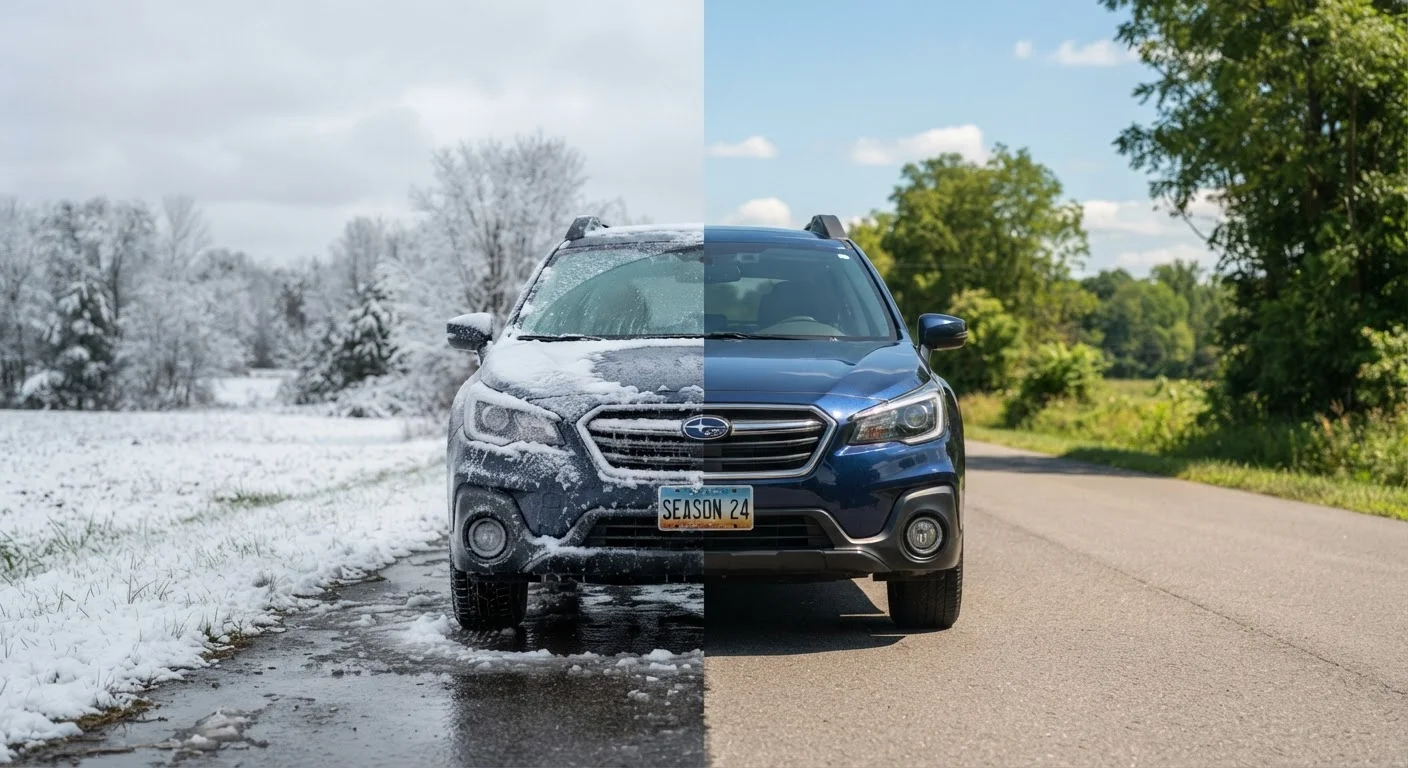
Photo credit: ProximityFinds.com | One-stop Reading Source
In this article
How extreme heat and cold affect your vehicle's key systems, and what to inspect or service before each season arrives.
Key Takeaways
- Cold weather stresses your battery, tires, and fluids most - check all three before winter arrives.
- Summer heat accelerates coolant breakdown and tire pressure fluctuation, requiring specific pre-season attention.
- Many seasonal problems are preventable with a simple inspection done 2-4 weeks before seasons change.
- Some checks are DIY-friendly; others benefit from a qualified mechanic's eyes and tools.
- Addressing issues early nearly always costs less than repairing a failure mid-season.
Why Seasonal Prep Is Worth Your Time
Engines, tires, batteries, and fluids all behave differently depending on whether it's 10°F or 105°F outside. Extreme cold thickens engine oil and reduces battery output; extreme heat accelerates coolant breakdown and puts added stress on tires. Both ends of the thermometer can turn a manageable small issue into an expensive roadside failure.
The good news: most seasonal problems are predictable, and catching them a few weeks before the weather shifts is almost always cheaper and easier than dealing with a breakdown. This checklist covers both transitions - summer-to-winter and winter-to-summer - so you can work through the relevant section when the calendar calls for it.
For a broader picture of how often your car's major systems need attention year-round, see our car maintenance intervals guide. If you're new to owning a vehicle, this introduction to routine vehicle upkeep is a good starting point.
Tire pressure gauge
Accurately measure tire inflation so you can match the manufacturer's recommended PSI.
Coolant test strips
Quickly test antifreeze concentration to confirm freeze protection is adequate for winter temperatures.
Battery tester
Assess battery health and cold-cranking amps before relying on it in extreme temperatures.
Tread depth gauge
Get a precise measurement of remaining tire tread rather than relying on visual estimates.
Owner's manual
Look up manufacturer-specified fluids, pressures, and service intervals unique to your vehicle.
Winter Preparation Checklist
Start your winter prep 3-4 weeks before temperatures regularly drop below freezing in your area. That window gives you time to schedule any shop work without rushing.
Winter Prep: Tires and Traction
Winter Prep: Battery and Electrical
Winter Prep: Fluids and Visibility
Winter Prep: Safety Kit
Summer Prep: Cooling System
Summer Prep: Tires and Air Conditioning
Summer Prep: Fluids and Engine
Never Check Coolant on a Hot Engine
Opening the radiator cap or coolant reservoir on a hot engine can cause pressurized fluid to spray out and cause serious burns. Always let the engine cool completely - typically at least an hour after driving - before inspecting the cooling system.
Don't Ignore a Battery Warning in Winter
A battery that tests below its recommended capacity in fall is unlikely to survive a cold snap. Battery failures are one of the most common causes of winter breakdowns, and replacing a weak battery proactively is far less disruptive than a no-start situation in freezing temperatures.
Understanding how your battery, alternator, and starter interact can help you recognize early warning signs - our guide to your car's electrical system explains how those components work together. For a deeper look at how coolant and the radiator protect your engine, see how your car's cooling system works.
Winter conditions also change how your car handles - braking distances increase significantly on wet or icy roads. Our article on driving in rain, fog, and snow covers how to adjust your driving, not just your vehicle.
Summer Preparation Checklist and What to Watch For
Summer prep is often overlooked because vehicles seem to run fine when warm - but heat is quietly one of the tougher environments for rubber, fluids, and electrical components. Complete these checks before sustained hot weather sets in.
When to See a Mechanic Instead
Several items on this checklist - cooling system pressure tests, A/C refrigerant service, brake inspections, and serpentine belt assessment - are best handled by a qualified mechanic. Attempting these without proper tools or training can lead to incomplete diagnosis or personal injury. When in doubt, schedule a seasonal inspection at a shop you trust.
A well-functioning cooling system is the single most important defense against summer overheating. If you want to understand what each component does before inspecting it, our cooling system explainer is a useful read. For a comprehensive look at all your vehicle's fluids - coolant, brake fluid, transmission fluid, and more - see understanding your car's fluid system.
If you're heading into road trip season after completing your summer prep, run through the pre-road-trip vehicle inspection checklist before you leave the driveway - it covers a few additional items specific to long-distance driving.

Author
Automotive Editorial Team
Automotive Editorial Team is the collective byline for our editorial team and contributor network. Articles published under this byline or an editorial pen name are researched, written, and reviewed according to our editorial standards for clarity, consistency, and independence before publication.
View all articles →