
Pre-Road-Trip Vehicle Inspection: What to Look At Before You Leave the Driveway
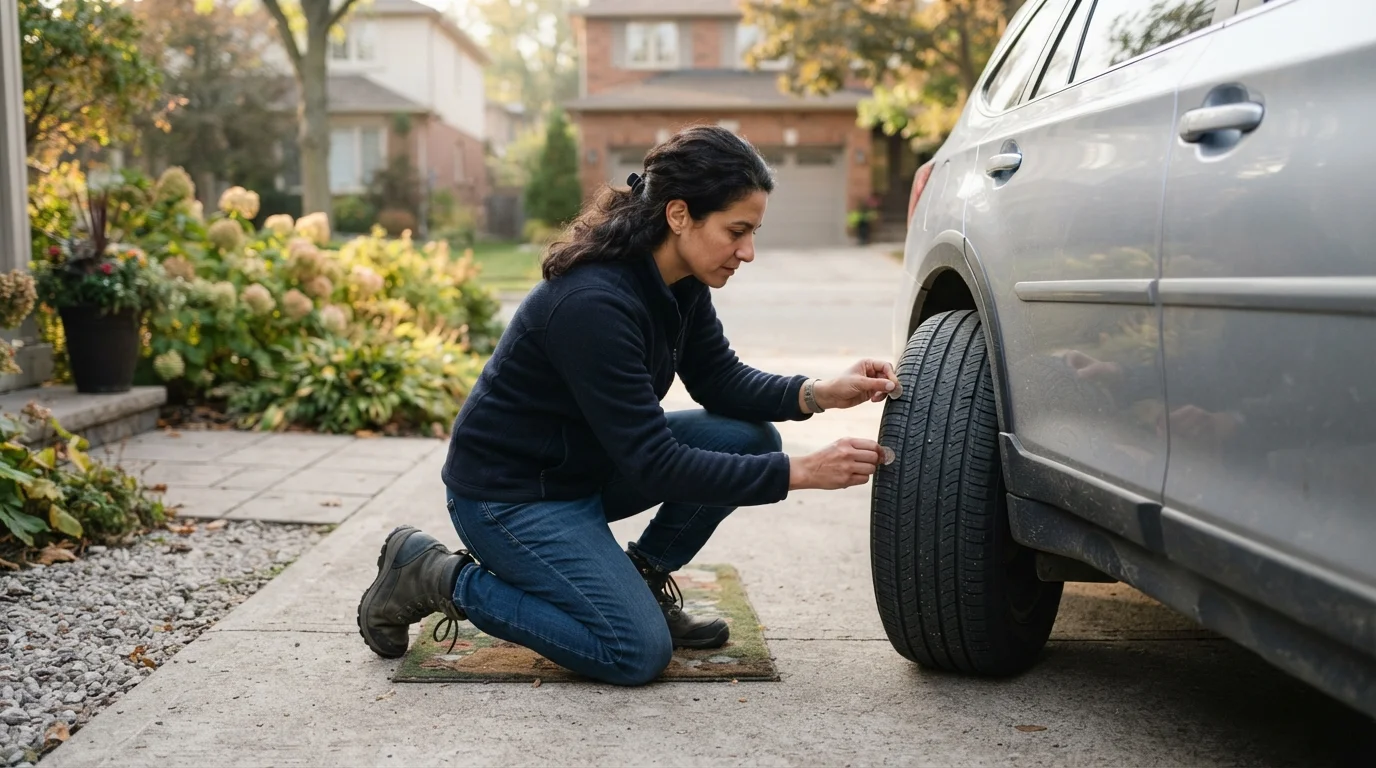
Photo credit: ProximityFinds.com | One-stop Reading Source
In this article
A systematic walkthrough of the checks worth doing before a long drive — tires, fluids, lights, belts, and a few easy-to-overlook items.
Key Takeaways
- Tire pressure and tread depth are the two most critical checks before any long drive.
- Most pre-trip inspections take under an hour and require no special tools.
- Fluid levels - oil, coolant, brake fluid - should be verified cold and on level ground.
- A burned-out light or cracked belt is easy to miss daily but quickly becomes a hazard on the road.
- Catching small issues at home is far cheaper and safer than dealing with them on the highway.
Why a Pre-Trip Inspection Is Worth Your Time
Most drivers who break down on a road trip weren't caught off guard by a freak mechanical failure - they were caught off guard by something they could have spotted at home. A slow coolant leak, low tire pressure, or a worn serpentine belt rarely announces itself dramatically. It just quietly gets worse until you're on the side of a highway in the heat.
This checklist is designed for everyday drivers, not mechanics. You don't need a lift or a toolbox full of specialty equipment. You need about 30 minutes, decent lighting, and a willingness to get a little low to the ground. If you're building a broader maintenance routine, the guide to car maintenance for new drivers covers the habits worth developing year-round.
Work through the checklist below section by section. Flag anything that looks off, and if you're unsure whether something is a problem, have a qualified mechanic look at it before you leave - not after.
Tire pressure gauge
Accurately measures tire psi - the only way to know if your tires are properly inflated.
Flashlight or work light
Illuminates the engine bay, undercarriage, and tire sidewalls so you can spot leaks, cracks, or damage.
Clean rag or paper towels
Needed to wipe the oil dipstick clean before getting an accurate reading.
Penny (for tread check)
Used to perform a quick visual tread-depth test on each tire.
Portable jump starter
Provides a self-contained way to restart a dead battery without needing another vehicle.
The Full Pre-Road-Trip Checklist
Go through each group in order. Tires and fluids first - they carry the most risk if overlooked. The later groups cover items that are easy to forget but still matter when you're far from home.
Tires
Fluids
Lights and Electrical
Under the Hood
Brakes and Steering
Safety and Emergency Gear
Don't Check Fluids on a Hot Engine
Always let the engine cool for at least 15 minutes before checking oil or coolant. Opening a hot radiator cap can cause pressurized coolant to spray and cause serious burns. For an accurate oil reading, the engine should be off and the vehicle parked on level ground.
If your trip spans seasons or extreme climates, the seasonal car maintenance guide explains what heat and cold do to your vehicle's key systems and what to check before each season.
What to Do If You Find Something
Not everything you find will require a mechanic. Some issues - adding washer fluid, replacing a cabin air filter, swapping a burned-out bulb - are genuinely straightforward. The DIY car maintenance guide is a useful reference for what's safe to handle yourself and what's better left to a professional.
For anything involving brakes, belts, or fluid leaks, don't guess - get a professional opinion before you leave. A same-day appointment at a shop is inconvenient. A breakdown two states away is a much bigger problem.
Brake Concerns Mean Stop - Don't Drive
If you notice grinding, a soft brake pedal, or the vehicle pulling hard to one side when braking, do not attempt the trip until a qualified mechanic has inspected the brake system. Brake failure at highway speed is one of the most dangerous situations a driver can face, and it is not something to troubleshoot on the road.
Once your vehicle checks out, make sure your kit is ready too. The road trip packing checklist covers what experienced drivers keep in the car - including safety gear that complements a solid pre-trip inspection.

Author
Automotive Editorial Team
Automotive Editorial Team is the collective byline for our editorial team and contributor network. Articles published under this byline or an editorial pen name are researched, written, and reviewed according to our editorial standards for clarity, consistency, and independence before publication.
View all articles →