
How Carrier Throttling Works and When It Applies to You
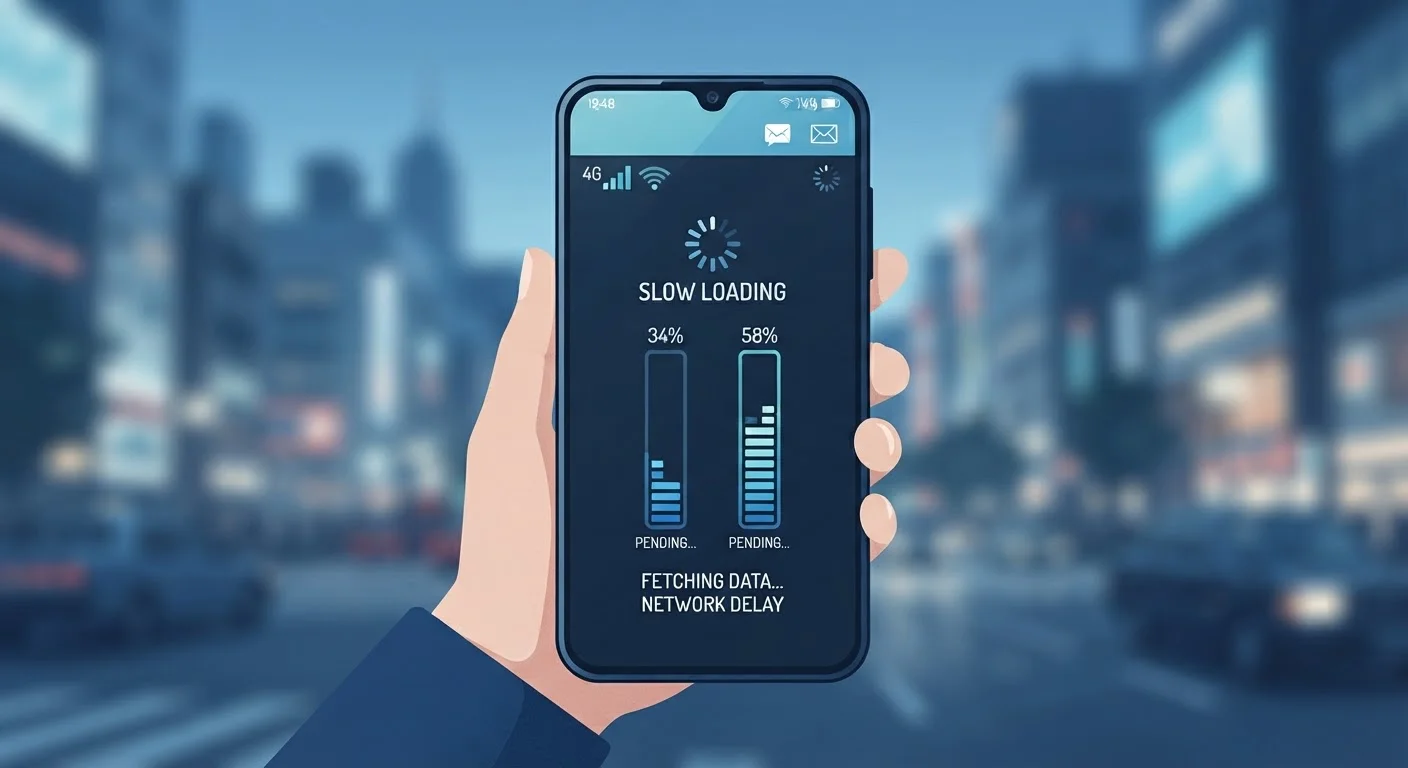
Photo credit: ProximityFinds.com | One-stop Reading Source
In this article
Throttling, deprioritization, and data caps aren't the same thing. Learn what each term means and how to spot them on your plan.
Key Takeaways
- Throttling, deprioritization, and hard data caps are three different mechanisms that all reduce your effective data speed.
- Most unlimited plans include a high-speed data threshold after which speeds are reduced - check your plan documents for the exact amount.
- Deprioritization only slows you down when a tower is congested; throttling is a permanent speed cap within a billing cycle.
- Video streaming is often throttled separately from general data, even on plans marketed as unlimited.
- Prepaid and lower-tier plans are more likely to include hard throttle speeds than premium postpaid plans.
The Three Terms You Need to Know
Carriers use several mechanisms to manage network load and plan pricing, and the terminology can be confusing. Three concepts come up most often: throttling, deprioritization, and hard data caps. Understanding the difference helps you read your plan accurately and set realistic expectations for your service.
Throttling is a speed limit your carrier applies - either after you hit a usage threshold or as a baseline feature of a lower-cost plan tier. Once throttled, your speed stays reduced for the rest of your billing cycle, regardless of how busy the network is.
Deprioritization is conditional. When a cell tower is under heavy load, customers on lower-priority tiers get pushed to the back of the queue. If you're deprioritized, your speed drops temporarily during peak hours but recovers once traffic eases. Premium plan subscribers typically receive higher priority and experience this less frequently.
Hard data caps mean your high-speed data runs out. Unlike throttling, which keeps you connected at reduced speeds, some plans - particularly older or prepaid models - simply stop data access or redirect to overage billing once the cap is hit. See our breakdown of prepaid vs. postpaid plans for how these caps tend to differ across plan structures.
"Unlimited" Doesn't Mean Uncapped Speed
Federal rules require carriers to disclose network management practices, but they do not prohibit throttling on unlimited plans. The word "unlimited" in a plan name refers to data access - not to the speed at which that data is delivered. Always check the fine print for speed thresholds and post-threshold rates before selecting a plan.
When Throttling Actually Kicks In
Throttling triggers vary by carrier and plan tier, but most fall into a few predictable categories.
- Post-threshold throttling: The most common type. Your plan includes a high-speed data allotment - say, 50 GB - after which speeds drop to a slower baseline (often 1.5-3 Mbps) until your billing cycle resets.
- Video throttling: Many standard unlimited tiers cap video streaming at 480p or 720p, regardless of your remaining high-speed data. This is a plan feature, not a penalty, and it applies from the start of your cycle.
- Plan-tier throttling: Entry-level lines on family plans, or budget unlimited tiers, may carry a permanent speed cap or be deprioritized behind other plan tiers at all times.
The practical impact depends on what you use your phone for. Throttled speeds of 1.5 Mbps are workable for standard web browsing and messaging but will struggle with HD video, large file downloads, or video calls. For a broader view of how data types and speeds are described across plans, the Complete Guide for First-Time Cell Plan Shoppers covers plan evaluation in detail.
Check Your Usage Before the Cycle Ends
Most carrier apps show your real-time data consumption and how close you are to your high-speed threshold. Monitoring this mid-cycle - rather than only when speeds feel slow - lets you adjust usage habits, such as switching to Wi-Fi for streaming, before throttling kicks in. Setting a data usage alert in your phone's settings can also provide an automatic heads-up.
How to Find Out What Your Plan Actually Does
Carriers are required to disclose throttling and deprioritization practices in their plan documents and network management disclosures - typically available on their websites under sections titled "Network Management Policy" or similar. Read these before assuming your unlimited plan delivers consistent high speeds.
Key things to look for in your plan documents:
- The high-speed data threshold before speed reduction kicks in
- The speed you'll receive after that threshold (e.g., "speeds reduced to 1.5 Mbps")
- Whether video streaming is separately capped, and at what resolution
- Your prioritization tier relative to other plan subscribers on the same carrier
If you're already seeing slower-than-expected speeds, run a speed test at different times of day - both during peak evening hours and midday - to distinguish between throttling (consistent slowness) and deprioritization (variable, time-of-day pattern).
1.5 Mbps
Typical throttled speed on major US unlimited plans
Many major US carriers reduce speeds to approximately 1.5 Mbps after high-speed data thresholds are crossed on standard unlimited tiers, per carrier network management disclosures.
480p
Common video cap on entry-level unlimited tiers
Standard unlimited plan tiers from multiple US carriers limit video streaming resolution to 480p as a plan-level feature, according to carrier plan documentation.
If your current plan's speed caps no longer match your usage needs, evaluating a different tier or carrier may be worthwhile. Our guide on switching carriers cleanly walks through how to make that move without disruption.
Frequently Asked Questions

Author
Technology Editorial Team
Technology Editorial Team is the collective byline for our editorial team and contributor network. Articles published under this byline or an editorial pen name are researched, written, and reviewed according to our editorial standards for clarity, consistency, and independence before publication.
View all articles →