
DIY Car Maintenance Tasks That Are Genuinely Safe for Non-Mechanics
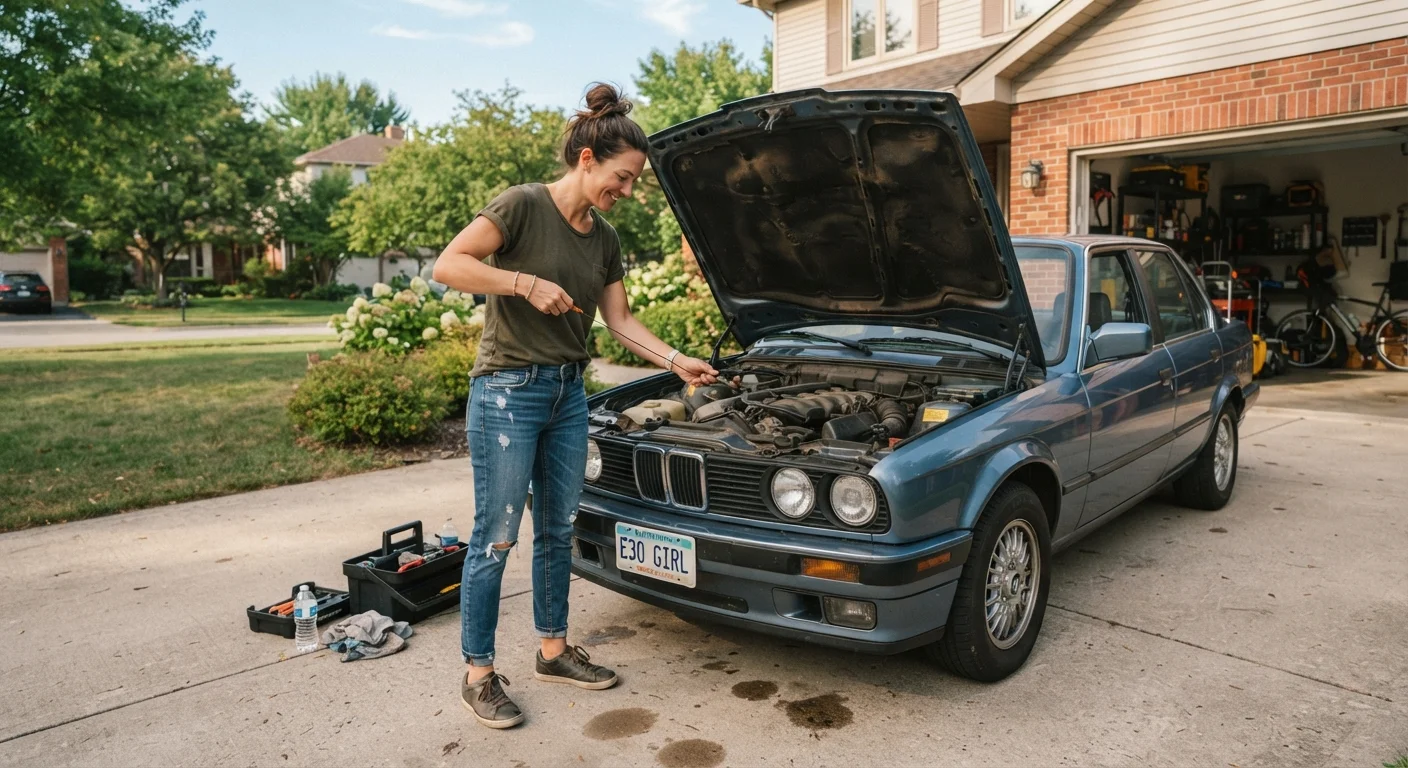
Photo credit: ProximityFinds.com | One-stop Reading Source
In this article
A practical look at simple maintenance jobs most drivers can handle at home, plus clear guidance on what's best left to a professional.
Key Takeaways
- Several routine maintenance tasks are genuinely safe and manageable for drivers without mechanical training.
- Always consult your owner's manual before attempting any maintenance - specifications vary by make and model.
- Brake work, suspension repairs, and anything involving airbags or fuel lines should always go to a qualified mechanic.
- DIY maintenance can help you stay familiar with your vehicle and catch potential issues earlier.
- Using the right tools and following manufacturer guidelines reduces the risk of mistakes that cost more to fix.
What You Can Actually Do Yourself
There's a gap between what most drivers think they can handle and what they actually can. Many people assume anything under the hood requires a shop visit, while others overestimate their abilities and end up making small problems worse. The truth is somewhere in the middle.
A handful of maintenance tasks are genuinely low-risk for non-mechanics - provided you use the right materials, follow your owner's manual, and know when to stop. None of the tasks below require special certifications, and most need only basic hand tools. If you're newer to vehicle ownership, building good maintenance habits early makes all of these feel far less intimidating over time.
Keep in mind: skipping routine upkeep entirely has real financial consequences. Deferred maintenance compounds quickly, turning minor oversights into expensive repairs. Doing what you safely can at home - and getting professional help for the rest - is a practical middle ground.
Checking and topping off fluids
Engine oil, coolant, brake fluid, power steering fluid, and windshield washer fluid all have reservoirs with visible fill lines. Checking levels requires nothing more than opening the hood and reading the markers. Topping off most fluids (windshield washer fluid especially) is completely straightforward.
For engine oil, use only the grade specified in your owner's manual - adding the wrong viscosity can cause problems. Coolant should only be added to the overflow reservoir when the engine is cold; opening a pressurized radiator cap on a hot engine is genuinely dangerous. Your car's cooling system operates under pressure, so timing matters here.
Always check fluid levels with the engine cold to avoid burns and inaccurate readings.
Replacing windshield wiper blades
Wiper blades are designed to be replaced by the vehicle owner. Most use a simple hook-and-tab attachment that snaps on and off without tools. Blade sizes vary by vehicle, so check your owner's manual or the packaging guide at any auto parts store before buying.
Streaking, skipping, or squeaking are clear signs a blade needs replacing. Most manufacturers recommend replacement every six to twelve months, though climate and usage affect that timeline. This is one of the easiest wins in vehicle upkeep.
Worn wiper blades are a genuine safety issue - replacement takes under five minutes and no tools.
Swapping out cabin and engine air filters
Both the cabin air filter (which affects interior air quality) and the engine air filter (which protects the intake) are designed for straightforward replacement. The cabin filter is usually behind the glove box or under the dashboard - consult your owner's manual for location. The engine air filter sits in a plastic housing in the engine bay, secured by clips or a few screws.
A clogged engine air filter can reduce fuel efficiency and engine responsiveness. Replacement intervals are typically every 15,000 to 30,000 miles, but dusty driving conditions can shorten that. Knowing your car's maintenance intervals helps you stay on schedule.
Replacing both air filters is one of the most accessible DIY tasks - no tools needed for most vehicles.
Checking and inflating tire pressure
A basic tire pressure gauge costs just a few dollars and lets you verify that all four tires (plus the spare) are inflated to the manufacturer's recommended PSI - found on the sticker inside the driver's door jamb, not on the tire sidewall. Underinflated tires reduce fuel economy and handling; overinflated tires reduce grip and wear unevenly.
Tire pressure drops naturally over time and more noticeably when temperatures fall, so checking monthly is a reasonable habit. Many gas stations have air compressors available. This check pairs well with a pre-trip safety walkthrough before any longer drive.
Tire pressure is one of the most frequently neglected checks - and one of the easiest to do correctly.
Replacing a dead battery (with caution)
Swapping a car battery is within reach for most people, but it warrants extra care. Disconnect the negative terminal first, then the positive - and reconnect in reverse order when installing the new battery. This sequence reduces the risk of accidental short circuits. Wear gloves and eye protection, since battery acid is corrosive.
Some newer vehicles have complex electrical systems where disconnecting the battery resets stored settings or requires recalibration by a shop. Check your owner's manual first. If your battery terminals show heavy corrosion or your vehicle has stop-start technology or advanced electronics, a shop visit may be the smarter call.
Disconnect the negative terminal first - reversing this order risks a short circuit during battery swaps.
Changing engine oil - with the full picture
Oil changes are often listed as a beginner DIY task, and mechanically they're not complicated: drain the old oil, replace the filter, refill with the correct oil type and quantity. But there are meaningful risks worth understanding. Hot oil causes burns. A cross-threaded drain plug or improperly seated filter can cause oil leaks that damage the engine.
You'll also need to dispose of used oil responsibly - most auto parts stores accept it. Make sure you're using the oil viscosity your manufacturer specifies; understanding synthetic vs. conventional oil helps you make the right choice. And your owner's manual interval - not the quick-lube shop's sticker - is the authoritative guide for how often to change it.
The owner's manual oil type and change interval override any generic recommendation you'll see at a quick-lube shop.
Know When to Hand It Over
DIY has clear limits, and respecting them matters for your safety and your car's reliability. Brake system work - including pad replacement, caliper service, and brake line repairs - carries real injury risk if done incorrectly and should be handled by a qualified mechanic. The same applies to suspension and steering components, timing belts or chains, airbag systems, and anything involving the fuel system.
Your Owner's Manual Is the Starting Point
Before attempting any maintenance task, look up the procedure and specifications in your vehicle's owner's manual. Fluid types, filter part numbers, torque specs, and service intervals all vary by make, model, and year. Using the wrong spec - even on a simple job - can create new problems. If you've misplaced the physical manual, most manufacturers make digital versions available through their websites.
If a job requires lifting the vehicle, always use proper jack stands rated for your car's weight - never rely on a floor jack alone. When in doubt about a task's difficulty or risk level, understanding what a shop estimate covers helps you ask better questions and make informed decisions.
Before any long drive, a quick walk-around inspection is one of the simplest things you can do. Our pre-road-trip vehicle inspection guide walks through the key checks worth doing before you leave the driveway.
When DIY Saves Money - and When It Doesn't
Simple consumables like filters, wiper blades, and fluids are typically inexpensive and easy to source, making DIY straightforward. But some tasks that seem simple can void a warranty, trigger warning lights, or require recalibration if done outside a shop environment. If your vehicle is under a manufacturer or extended warranty, confirm what the terms allow before doing your own maintenance.

Author
Automotive Editorial Team
Automotive Editorial Team is the collective byline for our editorial team and contributor network. Articles published under this byline or an editorial pen name are researched, written, and reviewed according to our editorial standards for clarity, consistency, and independence before publication.
View all articles →