
Safe Driving Habits That Make a Measurable Difference Over a Lifetime
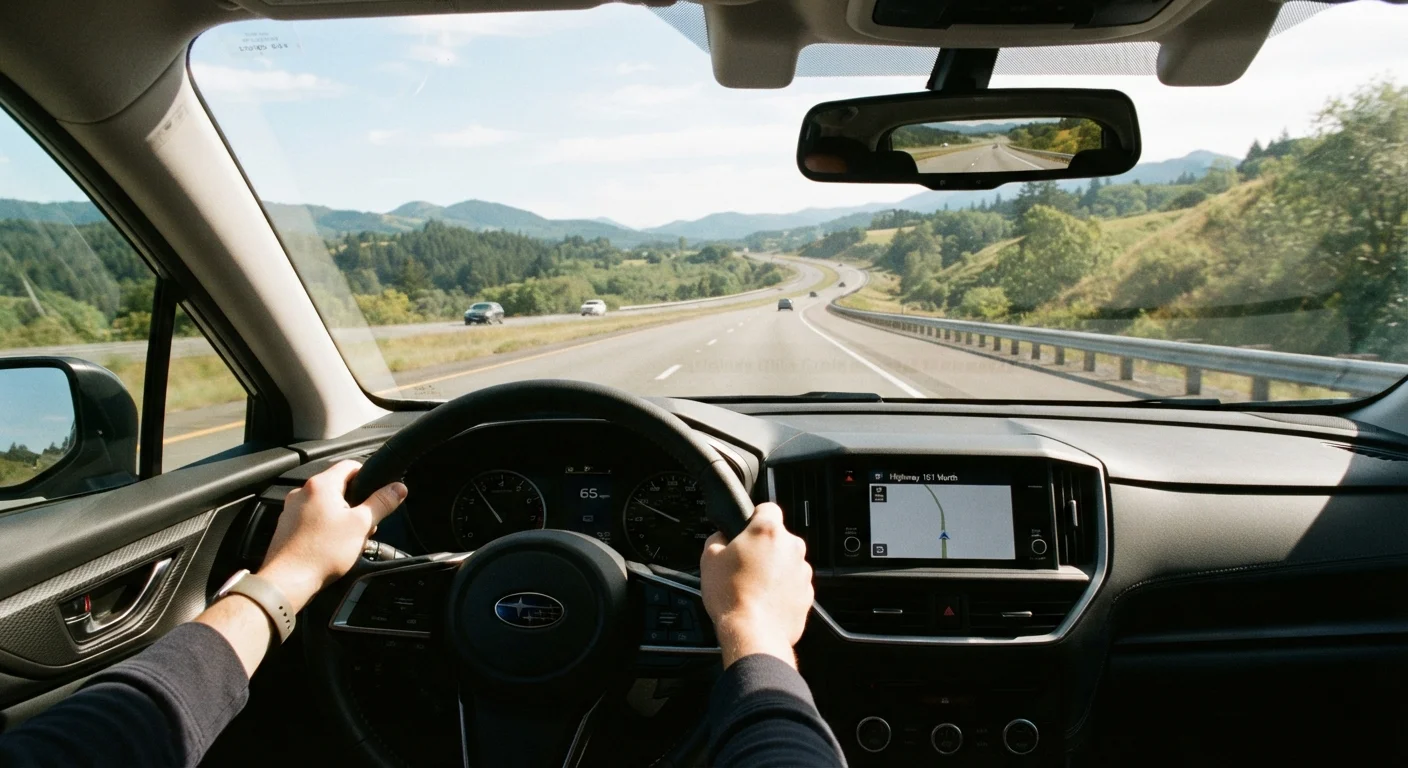
Photo credit: ProximityFinds.com | One-stop Reading Source
In this article
From scanning intersections to adjusting mirrors correctly, small consistent habits compound into a dramatically safer driving record.
Key Takeaways
- Scanning intersections before entering - even on a green light - is one of the highest-impact safety habits you can build.
- Proper mirror adjustment eliminates most blind spots and takes less than thirty seconds to do correctly.
- Maintaining a consistent following distance gives you reaction time that tailgating eliminates entirely.
- Fatigue impairs driving performance in ways that closely mirror alcohol impairment - recognizing the signs matters.
- Keeping both hands positioned correctly on the wheel improves steering control and airbag safety simultaneously.
Why Small Habits Add Up to a Dramatically Different Safety Record
Most serious crashes don't happen because a driver made one catastrophic decision. They happen because a cluster of small, ordinary habits - following too close, glancing at a phone, skipping a mirror check - converged in the wrong moment. Flip that around, and it means the inverse is also true: consistent, well-practiced habits quietly reduce your exposure to risk every single day, mile after mile.
This isn't about perfection. It's about building a handful of behaviors that become automatic. The list below covers habits that safety researchers and driving instructors consistently point to as making a real, measurable difference - not just theoretically, but in actual crash data. Whether you've been driving for two years or twenty, there's almost certainly something here worth locking in.
For a complementary look at how your driving style affects your vehicle's health over time, see how driving habits accelerate or reduce vehicle wear.
Scan intersections before committing, not just when you arrive
A green light tells you it's your turn - it doesn't guarantee the intersection is clear. The habit of scanning left, center, and right before fully committing to an intersection adds roughly one to two seconds of verification time but can catch a red-light runner, a distracted pedestrian, or a driver who misjudged their yellow. This is especially important at intersections with limited sightlines or heavy cross-traffic. Make it automatic: every time you approach an intersection, your eyes move left-center-right as you enter.
A green light gives you the right of way - scanning confirms you can actually use it safely.
Set your mirrors to actually eliminate blind spots
Most drivers position their side mirrors to see the sides of their own car - which looks reassuring but wastes most of the mirror's usefulness. A more effective approach is to angle each side mirror outward until your own car just barely disappears from the frame. This widens your field of coverage significantly and reduces the overlap between what your mirrors show and what your rearview already covers. Combined with a quick shoulder check before lane changes, this setup eliminates the vast majority of traditional blind-spot risk.
Mirrors angled to show the sides of your own car are wasting most of their coverage potential.
Maintain a following distance that gives you real stopping time
The standard guidance - a three-second gap between your vehicle and the one ahead - exists because it reflects actual human reaction time plus braking distance at typical highway speeds. In rain, snow, or low visibility, that gap should expand to six or more seconds. The practical test: pick a fixed landmark (a sign, a bridge) and count seconds from when the car ahead passes it to when you do. Most drivers who try this discover they're following closer than they thought. Tailgating is more dangerous than most drivers realize - the physics of stopping distances leave almost no margin for error at speed.
Count three seconds between you and the car ahead - most drivers who test this find they're too close.
Recognize and respond to driver fatigue before it peaks
Fatigue impairs reaction time, lane-keeping, and decision-making in ways that research has compared to measurable alcohol impairment - yet most drivers significantly underestimate how tired they are while driving. Early warning signs include frequent yawning, difficulty keeping focus on the road, missing exits or signs, and drifting within your lane. The only real fix is rest. Pulling off at a safe location and taking a short nap is more effective than caffeine for acute sleepiness. On longer drives, plan rest stops before fatigue sets in rather than pushing through. See what changes during night driving for how fatigue compounds after dark.
Fatigue's effect on driving performance closely mirrors alcohol impairment - and drivers rarely notice it in themselves.
Keep distractions managed - not just phones
Phone use while driving is the most widely cited distraction, but it's not the only one. Adjusting the climate controls, reaching for something in the back seat, eating, or an intense conversation with a passenger all pull cognitive attention away from the road. The key insight from distracted driving research is that it's not just manual distraction (hands off wheel) but cognitive distraction - where your attention goes even when your eyes are technically forward. Hands-free isn't as safe as most drivers assume - separating that fact from common assumptions is worth the read.
Cognitive distraction - where your mind goes - can impair driving even when both hands are on the wheel.
Position your hands for control and airbag safety
The long-taught 10-and-2 hand position has been updated by most safety organizations to a 9-and-3 position (or lower, such as 8-and-4), primarily because airbag deployment can cause injury when hands are positioned at the top of the wheel. The 9-and-3 position also typically provides better leverage for steering corrections. Whatever position you use, keeping both hands on the wheel during normal driving - rather than resting one in your lap or on the door - means you're one motion away from full steering control rather than two.
The 9-and-3 hand position gives better steering leverage and keeps hands clear of airbag deployment paths.
Use turn signals consistently - including in parking lots
Turn signal use communicates intention to everyone around you: other drivers, cyclists, and pedestrians. Skipping signals in low-traffic situations trains a habit of selective use, which tends to bleed into higher-stakes situations. Signaling before lane changes, before turns, and even in parking lots reinforces the habit and extends courtesy to others who are making real-time decisions based on your vehicle's movements. It's one of the simplest habits on this list, and one of the easiest to let slip.
Consistent signal use in low-stakes situations keeps the habit sharp for when it genuinely matters.
Putting These Habits Into Practice
None of these habits require special equipment or formal training - they just require intention and repetition. The first few times you consciously scan an intersection or check your mirrors before lane changes, it feels deliberate. After a few weeks, it becomes background behavior, as natural as using a turn signal.
Practice One New Habit Per Week
Rather than trying to adopt every habit on this list simultaneously, pick one and focus on it deliberately for a full week of driving. By the time you move to the next one, the previous habit will have started to feel natural. This approach is more effective than trying to change everything at once and is less likely to lead to backsliding.
If you're preparing for a longer drive, pair these habits with a proper pre-trip check. Our guide on safety checks most drivers skip before road trips walks through tires, lights, fluids, and brakes before you leave the driveway. And if you want to go deeper on the mindset behind all of this, what defensive driving actually means breaks down the core principles in practical terms.
This article is for general informational purposes. Always follow the traffic laws and regulations in your state and locality.

Author
Automotive Editorial Team
Automotive Editorial Team is the collective byline for our editorial team and contributor network. Articles published under this byline or an editorial pen name are researched, written, and reviewed according to our editorial standards for clarity, consistency, and independence before publication.
View all articles →