
What 'Defensive Driving' Actually Means Behind the Wheel
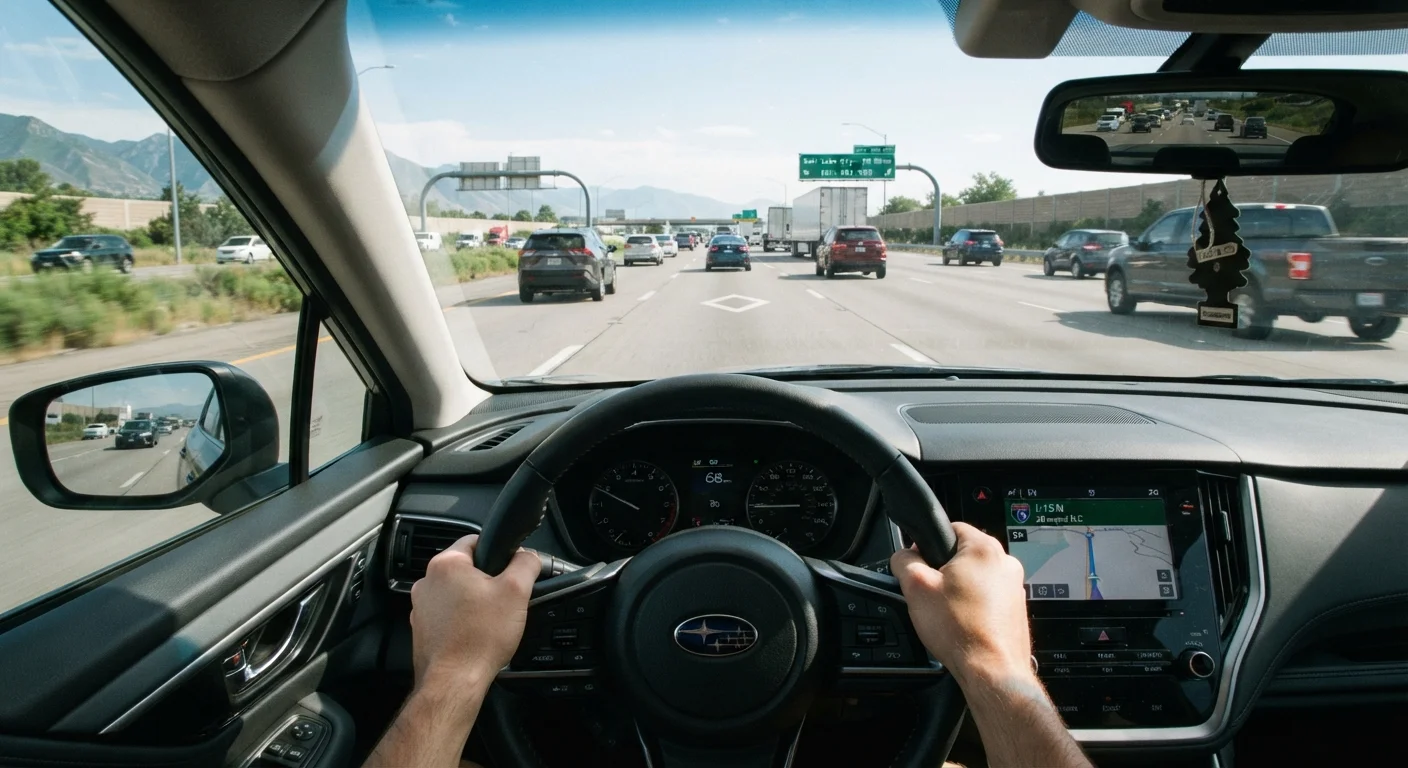
Photo credit: ProximityFinds.com | One-stop Reading Source
In this article
Defensive driving is more than a course—it's a mindset. This guide breaks down the core principles and how to apply them on real roads.
Key Takeaways
- Defensive driving means anticipating hazards, not just reacting to them.
- Keeping a safe following distance is one of the single most effective safety habits.
- Road conditions - weather, traffic, visibility - should actively change how you drive.
- Aggressive behaviors like tailgating and speeding are the opposite of defensive driving.
- Consistent small habits compound into dramatically fewer close calls over a lifetime.
What Defensive Driving Actually Means
Most drivers hear "defensive driving" and picture a formal course, a certificate, maybe an insurance discount. That's part of it - but the real meaning runs deeper. Defensive driving is a mindset: the ongoing habit of treating every trip as an environment where other drivers, road conditions, and unexpected events can and will surprise you.
The core idea is simple. Instead of assuming everything will go smoothly, a defensive driver assumes it might not - and drives accordingly. That means leaving room to react, staying aware of what's happening well ahead, and never putting yourself in a position where a single mistake by someone else leaves you with no options.
It stands in direct contrast to aggressive driving habits, where the driver's focus narrows to their own speed and convenience rather than the full picture around them.
Defensive driving
A set of driving habits focused on anticipating hazards and reducing risk, rather than simply reacting to problems after they arise.
Following distance
The space between your vehicle and the one directly ahead. A larger gap gives you more time and room to stop safely if traffic slows suddenly.
Scanning
Actively looking well ahead and to the sides of your vehicle - not just at the immediate road in front - to spot hazards early.
Reaction time
The time between noticing a hazard and physically responding to it. Fatigue, distraction, and speed all affect how useful that window is.
Road conditions
Environmental factors like rain, fog, ice, or heavy traffic that change how your vehicle handles and how much space and time you need to stop safely.
The Core Principles in Plain Terms
Defensive driving comes down to a handful of habits that work together:
- Maintain a safe following distance. The two-second rule - staying at least two seconds behind the vehicle ahead - gives you braking room if traffic stops suddenly. In rain or low visibility, extend that to three or four seconds. Tailgating is far more dangerous than most drivers realize, and closing that gap removes your margin for error.
- Scan ahead, not just immediately in front. Look 10 to 15 seconds down the road - about a block in city traffic, a quarter mile on a highway. This early awareness lets you adjust gradually rather than brake hard at the last moment.
- Expect the unexpected from others. Assume that driver at the intersection might roll through it. Assume the merging vehicle hasn't seen you. Positioning yourself to absorb those mistakes rather than collide with them is what separates defensive from passive driving.
- Manage your speed for conditions, not just the posted limit. Speed limits reflect ideal conditions. Wet roads, heavy traffic, and night driving all demand lower speeds to maintain control.
Use the Two-Second Rule as Your Baseline
Pick a fixed point on the road - a sign or a line. When the vehicle ahead passes it, count 'one-one-thousand, two-one-thousand.' If you pass it before you finish, you're too close. In wet or low-visibility conditions, double that count.
How Conditions Change the Equation
A dry, sunny highway at midday is a very different driving environment than a foggy two-lane road at dusk. Defensive driving adjusts for that reality. Rain reduces tire grip and significantly extends stopping distances. Fog compresses your visible range, meaning hazards appear much closer to you before you can respond. Ice can reduce braking effectiveness dramatically - sometimes to a degree that surprises even careful drivers.
For a detailed look at how each of these conditions changes what your vehicle can actually do, see our article on driving in rain, fog, and snow. The key defensive instinct: when conditions worsen, your following distance and speed should change before you feel pressure to - not after.
Common Habits That Undermine It
Defensive driving isn't only about what you do - it's also about what you stop doing. Several common habits quietly erode your safety margin:
- Phone use while driving. Even glancing at a screen for two seconds at highway speed means traveling roughly 175 feet without watching the road.
- Driving fatigued. Drowsiness impairs reaction time in ways that closely mirror alcohol impairment. If you're struggling to stay alert, pulling over is the right call.
- Tunnel vision at intersections. Many collisions happen in intersections because drivers only check for a green light, not for vehicles running a red. A brief scan before proceeding takes a second and costs nothing.
- Overconfidence in good conditions. Clear skies and an empty road can lead to complacency. The absence of obvious hazards doesn't mean none exist.
Distraction Is a Bigger Risk Than Most Drivers Admit
Research from the National Highway Traffic Safety Administration consistently links distracted driving to thousands of fatal crashes each year. The risk isn't limited to texting - eating, adjusting controls, or even extended conversations with passengers can pull your attention at critical moments. If a task can't wait, pull over safely before handling it.
Building It Into Your Everyday Drive
The goal isn't to drive anxiously - it's to drive thoughtfully. Defensive driving, practiced regularly, becomes automatic. You won't be consciously calculating following distances every moment; you'll just naturally leave more space and scan wider without thinking about it.
Start by picking one principle to focus on each week. Spend a week consciously maintaining your following distance. The next week, practice scanning further ahead. Over time these habits stack. Small consistent habits compound into a measurably safer driving record over a lifetime - that's not an exaggeration, it's the practical outcome of intentional practice.
Keeping your vehicle in good working order supports these efforts, too. Brakes, tires, and lights that are well-maintained give you the mechanical foundation to act on your defensive instincts when it counts. For new drivers especially, building basic maintenance habits early ties directly into overall road safety.
National Safety Council Defensive Driving Resources
The NSC provides educational materials on defensive driving principles and statistics on the most common causes of crashes on American roads.
Your State DMV Driver's Handbook
State DMV handbooks cover local traffic laws, road signs, and safe driving requirements - a useful reference for brushing up on the rules that underpin defensive habits.
Frequently Asked Questions

Author
Automotive Editorial Team
Automotive Editorial Team is the collective byline for our editorial team and contributor network. Articles published under this byline or an editorial pen name are researched, written, and reviewed according to our editorial standards for clarity, consistency, and independence before publication.
View all articles →