
Before Every Road Trip: A Safety Check Most Drivers Skip
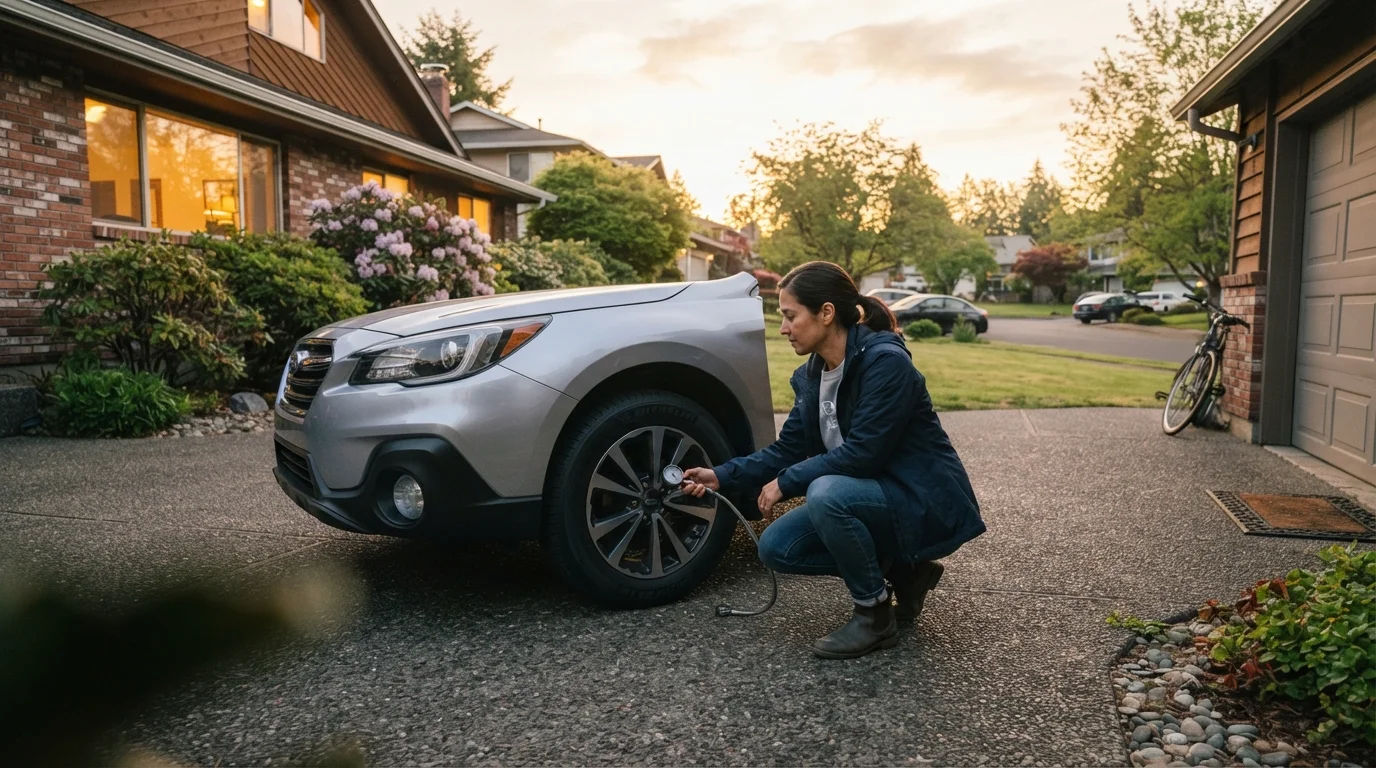
Photo credit: ProximityFinds.com | One-stop Reading Source
In this article
Tires, fluids, lights, and brakes—a pre-trip walkthrough can catch issues that become problems hundreds of miles from home.
Key Takeaways
- Tires are the most critical pre-trip check - pressure, tread, and spare condition all matter.
- Fluid levels can be verified in under 10 minutes and prevent costly engine damage on long drives.
- Dashboard warning lights should never be ignored before a trip - address them beforehand.
- A functioning emergency kit turns a breakdown from a crisis into a manageable inconvenience.
- Many safety issues found during a pre-trip check are inexpensive to fix early but costly if ignored.
Why This Check Gets Skipped - And Why That's a Problem
Most drivers do a loose mental scan before leaving - gas tank, wallet, phone. What they skip is a methodical look at the vehicle itself. That gap is where breakdowns, blowouts, and roadside emergencies hide.
Long highway miles stress your car's systems differently than daily commuting. Heat builds up in tires. Brakes work harder on mountain grades. A slow coolant leak that's tolerable around town can overheat an engine on a sustained climb in summer. The problems that strand you 300 miles from home usually didn't start there.
This checklist covers what to inspect before any road trip of significant distance. It's designed for the average driver - no special tools required for most items, and no mechanical expertise assumed. For context on what a full pre-trip inspection involves at a deeper level, that guide walks through each system in detail.
Don't Run This Check the Morning You Leave
If you find a low tire, a burnt-out headlight, or low brake fluid the morning of your trip, you may not have time to address it properly. Do this inspection at least the day before departure. That gives you time to visit a shop, pick up supplies, or make informed decisions - rather than forcing a rushed call with real consequences.
If your vehicle is overdue for scheduled maintenance - oil change, brake inspection, tire rotation - address that before the trip, not after. Road trips aren't the time to find out your service interval lapsed. Check how often key services are typically needed if you're unsure where you stand.
What to Check and What to Bring
Run through this checklist the day before you leave - not the morning of, when there's no time to fix anything you find. Group the items logically: start with what's under the hood, move to the tires, then do a walk-around for lights and exterior, then check your in-cabin gear.
Tires
Fluids
Lights and Visibility
Brakes and Belts
Dashboard and Electronics
Emergency and Safety Gear
For new drivers building these habits from scratch, the car maintenance guide for new drivers is a solid starting point for understanding what each system does and why it matters.
Some Checks Require a Mechanic
Visual and basic fluid checks are within reach of most drivers, but brake system concerns, belt wear, battery health, and any active warning lights often need a professional assessment. If anything on this checklist raises a question you can't answer confidently, schedule a quick shop visit before you leave. The cost of a pre-trip inspection is almost always far less than a roadside tow or emergency repair.
Once you've confirmed the car is road-ready, the next step is what goes in it. See what experienced road trippers always pack for a practical gear list built around real multi-day trips.

Author
Automotive Editorial Team
Automotive Editorial Team is the collective byline for our editorial team and contributor network. Articles published under this byline or an editorial pen name are researched, written, and reviewed according to our editorial standards for clarity, consistency, and independence before publication.
View all articles →