
How Driving Habits Accelerate - or Reduce - Vehicle Wear
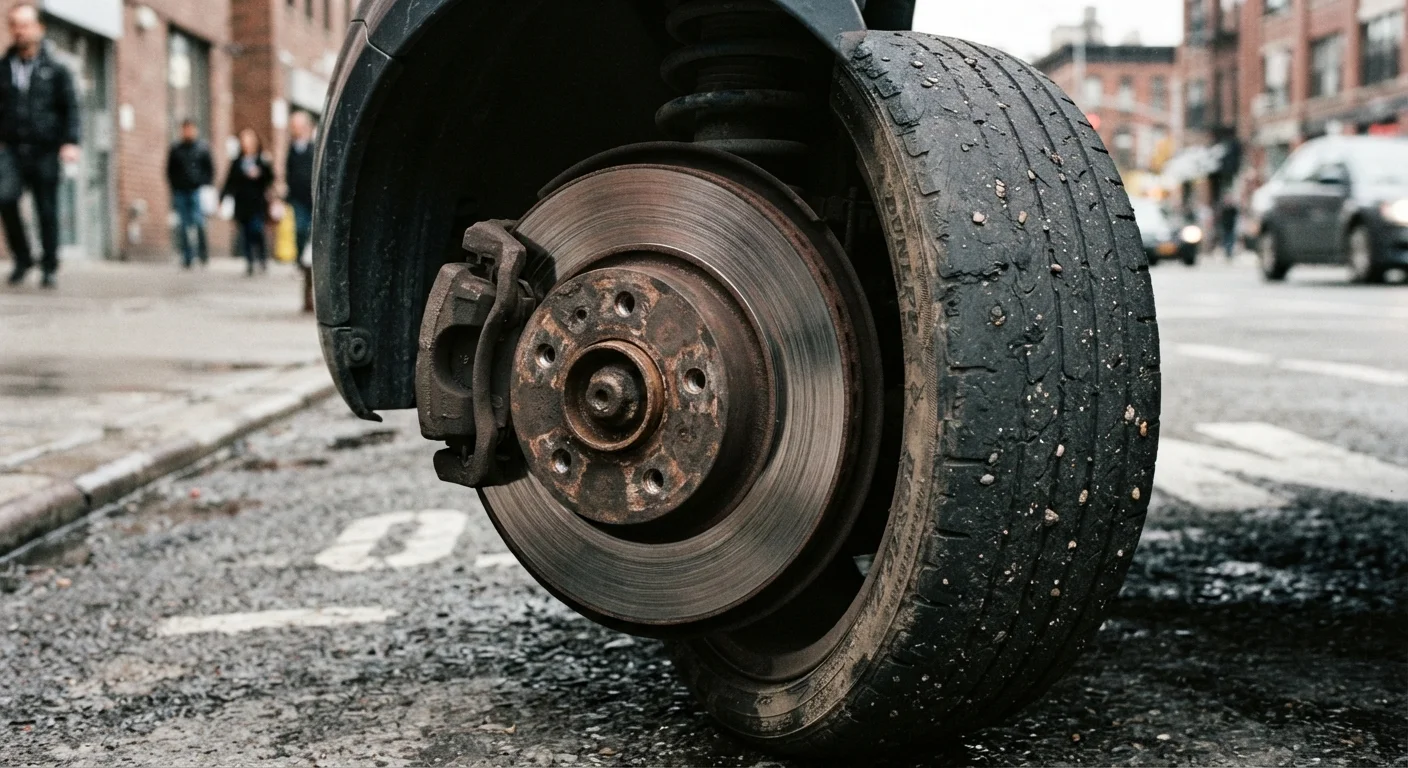
Photo credit: ProximityFinds.com | One-stop Reading Source
In this article
Hard braking, short cold trips, heavy idling: how everyday driving patterns affect how quickly your car's components degrade.
Key Takeaways
- Hard braking and aggressive acceleration wear brakes and drivetrain components significantly faster than smooth driving.
- Short cold trips are especially hard on engines because oil doesn't fully warm up to protect moving parts.
- Prolonged idling wastes fuel and can cause incomplete combustion, fouling spark plugs over time.
- Smooth, consistent driving habits can meaningfully extend the life of tires, brakes, and the engine.
- Carrying unnecessary weight or towing beyond rated capacity accelerates wear on suspension and brakes.
Your Habits Are Wearing Your Car Down - or Keeping It Alive
Most drivers think of car wear as something that just happens over miles and time. But the way you drive matters as much as how far you drive. Two drivers can cover the same 100,000 miles and arrive at very different repair bills, simply based on their habits behind the wheel.
This isn't about perfection - it's about understanding which patterns quietly add wear and which ones help your car go the distance. If you're newer to car ownership, our guide to car maintenance for new drivers covers the foundational upkeep side of this picture.
~80%
Of engine wear occurring at cold startup
Engineering studies on internal combustion engines have long indicated that the majority of engine wear occurs during cold starts, before oil fully coats moving parts.
1 PSI/month
Typical tire pressure loss without a puncture
Tires naturally lose approximately one pound per square inch per month through normal permeation, making monthly pressure checks a practical maintenance habit.
Driving Practices That Wear Components Faster
Some of the most damaging habits feel completely normal in everyday traffic. Recognizing them is the first step to changing them.
Accelerate and brake gradually rather than aggressively.
Hard braking generates intense heat in your brake rotors and pads, accelerating their wear significantly. Rapid acceleration strains the drivetrain, transmission, and engine mounts. Smooth inputs spread force over more time, reducing peak stress on every component involved.
Avoid short trips whenever practical, especially in cold weather.
Engines run richest and wear fastest in the first few minutes of cold operation, before oil fully circulates and reaches operating temperature. Frequent short trips mean your engine spends a disproportionate share of its life in this high-wear startup phase. Condensation also builds in the exhaust system, accelerating corrosion.
Don't let the car idle for extended periods.
Prolonged idling runs the engine at low RPM without load, which can lead to incomplete combustion, carbon buildup on spark plugs, and dilution of the oil with unburned fuel. Modern fuel-injected engines warm up faster while driving gently than while sitting still. For electric and hybrid vehicles, idling also unnecessarily drains the 12V auxiliary battery.
Don't overload the vehicle or tow beyond its rated capacity.
Excess weight stresses the suspension, brakes, and tires on every trip. Towing or hauling more than the vehicle's rated capacity puts concentrated strain on the transmission, cooling system, and wheel bearings. The vehicle's owner manual lists specific ratings that engineers designed around real mechanical limits.
Maintain correct tire pressure consistently.
Under-inflated tires flex excessively, generating heat and wearing faster along the outer edges. Over-inflated tires contact the road on a smaller center strip, wearing unevenly in the middle and reducing grip. Both conditions make braking less effective and put extra stress on suspension components. Tire pressure and its broader effects go well beyond fuel economy.
Quick Changes You Can Make Today
You don't need to overhaul your driving style overnight. A few consistent adjustments can add real life to your car's most wear-prone parts.
Skipping routine maintenance amplifies everything here. A car with fresh oil and properly inflated tires handles driver-induced stress much better than one that's already running on neglect. See how deferred maintenance compounds costs for the fuller picture.
The Long View: Small Habits, Big Savings
Vehicle components don't fail overnight - they degrade incrementally. Brake pads thinned by repeated hard stops, tires feathered from uneven loading, an engine gunked up from too many cold short trips: the damage adds up quietly until it doesn't.
“A car is a system of compromises - every component is designed to last under specific conditions. Push consistently outside those conditions, and you're not just adding wear; you're shortening the life of parts that were never designed to absorb that extra stress.”
— Automotive Editorial Team, Consumer automotive education writers
Smooth, consistent driving also has a safety dimension. Vehicles with well-maintained brakes and tires respond more predictably in emergencies. If you want to understand how road conditions interact with these limits, driving in rain, fog, and snow explains how grip and braking distance change under your tires. And for a broader look at habits that protect both your car and your safety record, safe driving habits that make a measurable difference is worth reading alongside this one.

Author
Automotive Editorial Team
Automotive Editorial Team is the collective byline for our editorial team and contributor network. Articles published under this byline or an editorial pen name are researched, written, and reviewed according to our editorial standards for clarity, consistency, and independence before publication.
View all articles →