
Spring Garden Prep: A Room-by-Room Checklist for Your Outdoor Space
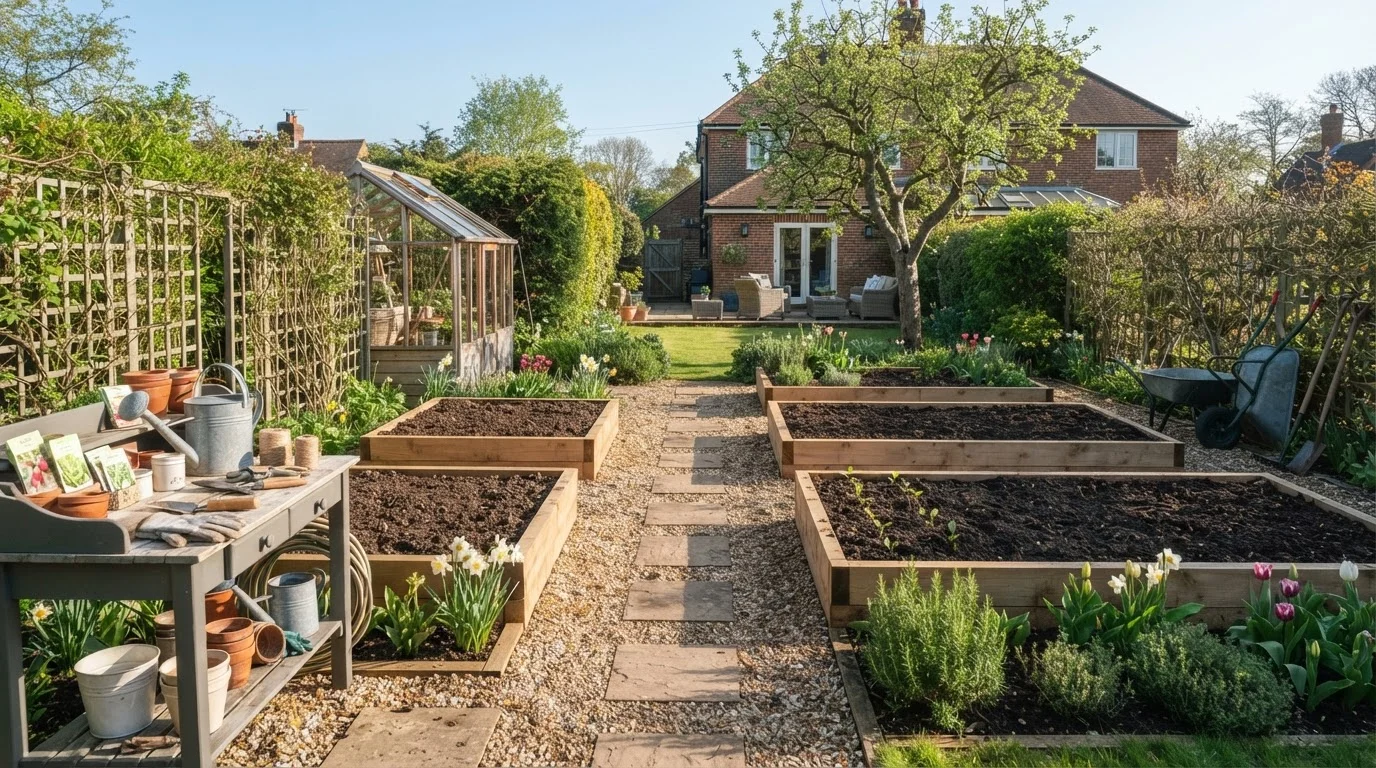
Photo credit: ProximityFinds.com | One-stop Reading Source
In this article
Get your garden ready for the growing season with this zone-by-zone checklist covering beds, tools, soil, and more.
Key Takeaways
- Working through your outdoor space zone by zone prevents overlooked tasks and wasted effort.
- Soil health is foundational - amending beds before planting sets the stage for the entire season.
- Inspecting and cleaning tools before use extends their lifespan and keeps plants healthier.
- Perennial beds and lawn areas need different early-season care and shouldn't be treated the same.
- Container gardens require their own prep checklist, especially after winter storage.
Why a Zone-by-Zone Approach Works Better
Tackling your whole garden at once is a recipe for missed steps and fatigue. Treating each area of your outdoor space as its own "room" - just as you would when cleaning or organizing indoors - keeps the process manageable and ensures nothing slips through. Whether you have a large backyard, a compact side yard, or a patio full of containers, this checklist walks you through every zone with clear, prioritized tasks.
If outdoor space is limited, don't skip this process. A thoughtful approach still applies - see our guide on container gardening for small spaces for tailored advice. For broader seasonal home prep beyond the garden, the seasonal home maintenance checklist covers the rest of your property.
Garden Fork
Used to loosen and aerate compacted soil in beds without disturbing root systems of emerging plants.
Soil pH Test Kit
Helps you determine whether beds need pH adjustment before planting, so amendments can be applied at the right time.
Pruning Shears / Loppers
For cutting back dead perennial stems and removing winter-damaged wood from shrubs and ornamental grasses.
Core Aerator
Removes small plugs of soil from compacted lawn areas to improve drainage and nutrient uptake.
Compost or Aged Manure
Applied to beds to restore organic matter and improve soil structure and fertility ahead of planting.
Whetstone or Hand File
Used to sharpen pruners, hoe blades, and edging tools so cuts are clean and plants aren't unnecessarily stressed.
How to Use This Checklist
Walk each zone of your outdoor space before you start any physical work. A quick visual audit - noting dead growth, drainage issues, or damaged structures - will help you prioritize where to begin. Items marked must are non-negotiable for a healthy garden; should items are strongly recommended but can be scheduled across a few weekends; nice to have items enhance your space when time allows.
Frost Dates Matter Before You Plant Anything
Even if your beds are perfectly prepped, planting too early can kill seedlings in a single overnight frost. Look up your area's average last frost date through your local cooperative extension service before putting transplants in the ground. Soil prep can happen well before that date - planting should not.
Understanding what plants to expect in each zone also shapes your prep. Perennials, for example, need gentler handling in spring than annual beds that get fully turned over. Our article on annuals vs. perennials can help you plan accordingly.
Tool Shed & Equipment
Garden Beds & Borders
Lawn Area
Patio, Containers & Structures
After You've Completed the Checklist
Once you've moved through all zones, take stock of what you found. Note any areas that need ongoing attention - a persistently wet patch, a bed that produced poorly last year, or a section shaded by new growth - and plan to address those as the season progresses. A short garden journal entry after this session takes only a few minutes and pays off enormously in future springs.
If you're also prepping your home exterior ahead of a sale, consider pairing this garden checklist with our home pre-listing checklist to maximize curb appeal. And for the interior reset that often accompanies a seasonal outdoor overhaul, the seasonal declutter checklist is a natural complement.
Don't Work Soil That's Too Wet
Working soil when it's waterlogged compacts it and destroys the structure you're trying to build. Grab a handful and squeeze - if it forms a ribbon rather than crumbling apart, wait a few more days before digging. Patience here protects months of future growth.

Author
Home Editorial Team
Home Editorial Team is the collective byline for our editorial team and contributor network. Articles published under this byline or an editorial pen name are researched, written, and reviewed according to our editorial standards for clarity, consistency, and independence before publication.
View all articles →