
Seasonal Home Maintenance: A Room-by-Room Checklist
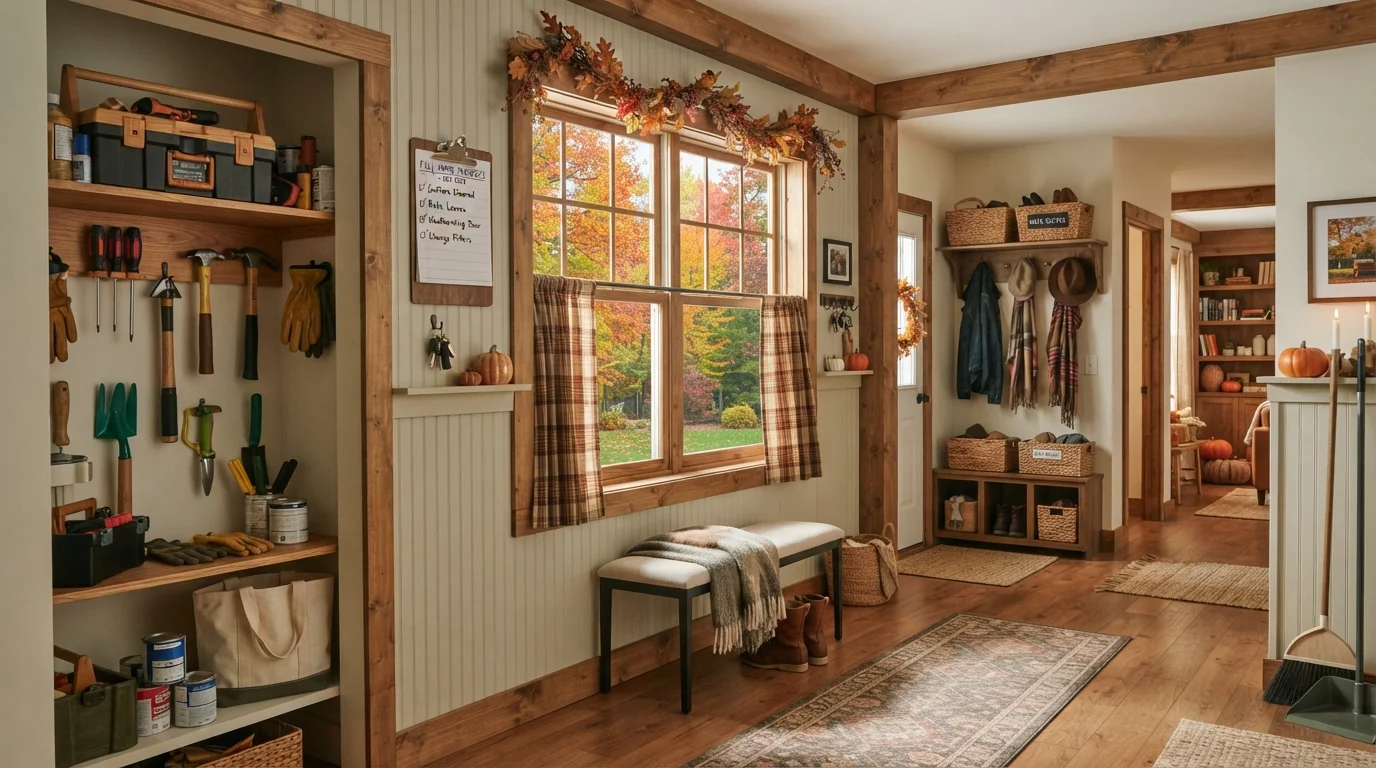
Photo credit: ProximityFinds.com | One-stop Reading Source
In this article
A structured checklist covering gutters, HVAC filters, caulking, weatherstripping, and more — organized by season so nothing gets overlooked.
Key Takeaways
- Seasonal maintenance prevents small issues from becoming expensive repairs.
- HVAC filters, gutters, and caulking are among the highest-impact items to check each season.
- Some tasks - like electrical panel inspections - require a licensed professional.
- A room-by-room approach ensures nothing gets overlooked across your entire home.
- Pairing maintenance with decluttering keeps every space functional and efficient.
Why Seasonal Maintenance Pays Off
Most home damage is preventable. Water intrusion, drafts, pest entry, and HVAC failure rarely happen without warning - they follow neglected maintenance. A consistent seasonal checklist lets you catch deterioration early, extend the life of your systems, and avoid emergency repair costs that dwarf the effort of routine upkeep.
This checklist is organized by area of the home rather than strictly by season, because maintenance timing varies by climate. Use it as a reset at the start of each season - spring and fall are the highest-value windows for most American homeowners. Pair it with the targeted comfort upgrades guide to prioritize improvements that also boost efficiency.
Know Your Limits Before You Climb
Roof inspections, electrical panel work, gas appliance servicing, and structural repairs should be handled by licensed professionals. Attempting these without proper training and equipment creates real safety hazards. When in doubt, hire a qualified contractor - it is almost always cheaper than fixing an injury or a botched repair.
Tools and Supplies You'll Need
Before walking through your checklist, gather the right supplies. Running out mid-task wastes time and leaves work unfinished.
Caulk gun and exterior caulk
Sealing gaps around windows, doors, and exterior penetrations to prevent air and water infiltration.
HVAC air filters (correct size for your unit)
Replacing filters regularly keeps your heating and cooling system running efficiently.
Weatherstripping rolls or door sweep
Blocking drafts and pest entry at exterior door thresholds and frames.
Ladder (6-8 ft stepladder or extension ladder)
Reaching gutters, exterior trim, and high windows safely for inspection and maintenance.
Flashlight or headlamp
Inspecting dim areas like the attic, under sinks, and inside utility closets.
Multimeter or GFCI outlet tester
Verifying that GFCI outlets near water sources are functioning correctly.
Screwdriver set and utility knife
Removing vent covers, tightening hardware, and cutting weatherstripping to length.
The Room-by-Room Checklist
Work through each group systematically. Items marked must are non-negotiable for safety and structural health. Should items are strongly recommended each cycle. Nice-to-have items add comfort and efficiency but can flex with your schedule.
If you're preparing your home for sale, cross-reference this list with the pre-listing home preparation checklist - many of these tasks overlap directly with buyer-facing repairs.
Exterior & Roof
HVAC & Ventilation
Windows, Doors & Weatherization
Kitchen & Bathrooms
Basement, Attic & Utilities
Safety & Emergency Readiness
Permits and Codes Apply to More Than You Think
Many maintenance upgrades - replacing a water heater, making changes to electrical wiring, or adding ventilation - require permits and inspections in most jurisdictions. Working without required permits can affect your home insurance coverage and create complications when you sell. Always check with your local building department before starting work that goes beyond simple cleaning, replacement, or cosmetic repairs.
Outdoor and Seasonal Extras
Your home's exterior takes the brunt of seasonal shifts. Deck surfaces, garden beds, and drainage all need seasonal attention beyond what indoor room checks cover. For garden-specific tasks, the spring garden prep checklist walks through soil, beds, and tools zone by zone.
If your maintenance pass reveals clutter accumulating in storage areas, closets, or the garage, combine the effort with a seasonal declutter sweep to reset those spaces at the same time. A well-organized home is easier to maintain consistently.

Author
Home Editorial Team
Home Editorial Team is the collective byline for our editorial team and contributor network. Articles published under this byline or an editorial pen name are researched, written, and reviewed according to our editorial standards for clarity, consistency, and independence before publication.
View all articles →