
Annuals vs. Perennials: The Difference Every Gardener Should Understand
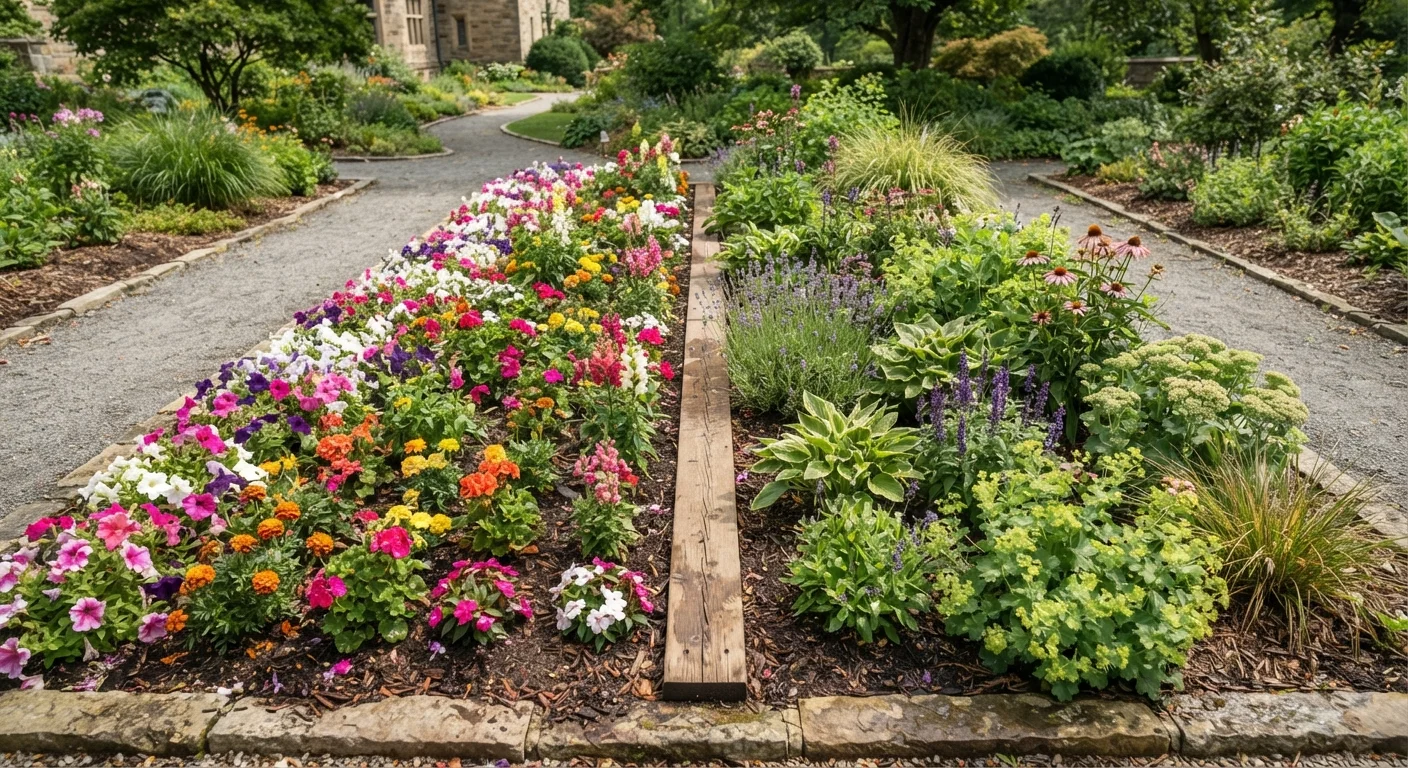
Photo credit: ProximityFinds.com | One-stop Reading Source
In this article
Annuals bloom and die in one season; perennials come back year after year. Here's how each fits into a well-planned garden.
Key Takeaways
- Annuals complete their full life cycle in one growing season and must be replanted each year.
- Perennials die back in winter but regrow from the same root system for multiple years.
- Annuals typically produce more continuous blooms; perennials often flower for a shorter window but reliably return.
- A mixed planting strategy - using both types together - is a common approach among experienced gardeners.
- Your climate, budget, and maintenance preferences should guide which type dominates your garden.
What Separates an Annual from a Perennial
The distinction comes down to life cycle. An annual germinates, grows, flowers, sets seed, and dies - all within a single growing season. Once frost arrives, it's gone. You'll need to replant the following year. Common annuals include marigolds, zinnias, petunias, and impatiens.
A perennial, by contrast, dies back to the ground in winter but its root system survives. Come spring, it regrows from those established roots. Coneflowers, hostas, black-eyed Susans, and daylilies are familiar examples. Most perennials bloom for a defined window each year - anywhere from a few weeks to a couple of months - rather than flowering continuously.
There's also a middle category worth knowing: biennials, which complete their life cycle over two years, and tender perennials - plants like geraniums that are perennial in warm climates but behave as annuals in colder USDA zones. If you're just getting started, the beginner's guide to starting a garden covers how to factor plant type into your initial planning.
| Criterion | Annuals | Perennials |
|---|---|---|
| Lifespan | One growing season | Returns for multiple years |
| Bloom duration | Continuous until frost | Defined window per season |
| Upfront cost | Generally lower per plant | Generally higher per plant |
| Long-term cost | Recurring each year | One-time, can be divided |
| Replanting required | Every year | No (division every few years) |
| Garden flexibility | High - new look each season | Lower - plants are established |
| Best use | Containers, color gaps, borders | Structural beds, long-term coverage |
How Each Type Fits Into a Garden Plan
Neither annuals nor perennials are inherently superior - they serve different roles, and most well-designed gardens use both strategically.
Annuals excel at filling space fast. Because they put all their energy into one season, they tend to produce more continuous blooms than most perennials. They're ideal for containers, window boxes, and any area where you want dense, reliable color. They're also useful for filling gaps while slower-growing perennials establish themselves.
Perennials build the backbone. Over time, perennial clumps expand, creating a garden that looks fuller each year without additional cost. Many also improve soil structure as their roots break it up season after season. Healthy soil is a key factor in plant performance - see what kind of soil is in your backyard for guidance on assessing and improving yours.
A practical approach many gardeners use: plant perennials as anchors in beds, then interplant annuals in the spaces between them. This gives you year-round structure with season-long color coverage.
3-5 years
Typical time for perennials to reach full size
Most perennial plants take several seasons to fully establish and begin spreading to fill a garden bed.
2-3x
Plants gained by dividing one perennial clump
Many perennials can be dug up and split into multiple viable plants every three to four years, multiplying your garden at no cost.
Cost, Effort, and Long-Term Planning
Annuals require a recurring investment - both money and labor - each growing season. If you plant a full border of annuals, expect to repeat that effort every spring. This isn't necessarily a drawback if you enjoy the ritual of planting and prefer changing your garden's palette regularly.
Perennials typically cost more per plant upfront, but they eliminate ongoing repurchase costs. Many perennials can also be divided every few years - separating the root clump into multiple plants - allowing you to expand your garden at no additional cost.
Maintenance needs vary by species within both categories, so it's not accurate to call all perennials low-maintenance or all annuals demanding. What's consistent is that annuals need replacing; perennials need dividing, occasional cutting back, and monitoring for winter survival depending on your climate zone.
If you're deciding how to configure your planting area itself, raised beds vs. in-ground planting explores how your setup can affect plant performance for both types. And regardless of which plants you choose, consistent watering practice matters - proper watering habits make a measurable difference in how annuals establish and how well perennials return each year.
Know Your USDA Hardiness Zone
Whether a perennial actually survives your winter depends on your USDA Plant Hardiness Zone. A plant labeled perennial in Zone 9 may not survive a Zone 5 winter. Always check the hardiness zone rating on plant tags or seed packets before assuming a plant will return the following spring. The USDA provides a free online zone map to help you identify your zone by zip code.

Author
Home Editorial Team
Home Editorial Team is the collective byline for our editorial team and contributor network. Articles published under this byline or an editorial pen name are researched, written, and reviewed according to our editorial standards for clarity, consistency, and independence before publication.
View all articles →