
Raised Beds vs. In-Ground Planting: Which Setup Works Better for Beginners
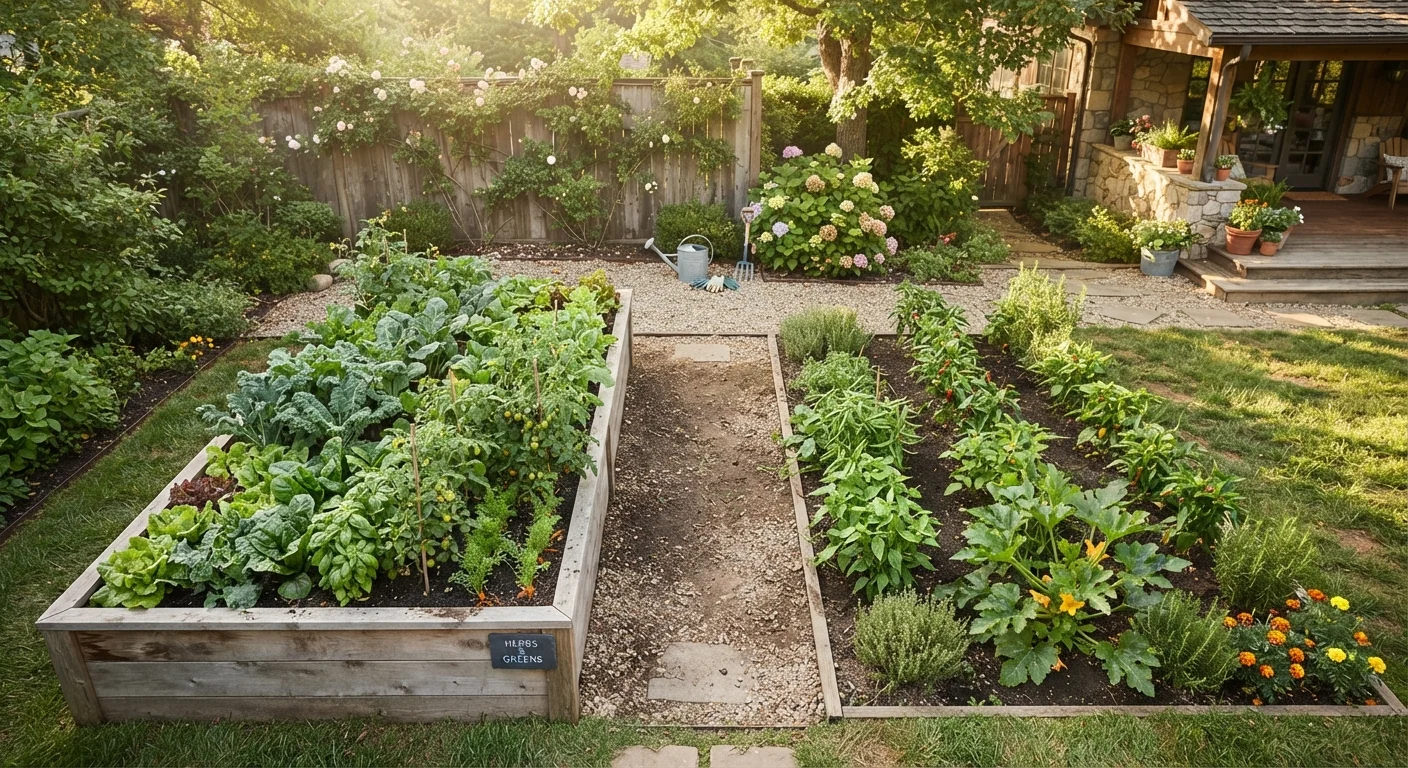
Photo credit: ProximityFinds.com | One-stop Reading Source
In this article
Raised beds and in-ground gardens each have real trade-offs. Here's how to decide which approach suits your space and goals.
Key Takeaways
- Raised beds give beginners precise control over soil quality but require an upfront investment in materials.
- In-ground planting costs less to start but depends heavily on existing soil conditions.
- Raised beds warm up faster in spring and drain more reliably, which benefits most vegetables.
- In-ground gardens scale more easily for larger plots and support deep-rooted crops like trees and shrubs.
- Your native soil type is a key factor - testing it first informs which approach makes more sense.
- Both methods can succeed; your yard's specific conditions should drive the decision.
The Core Difference Between These Two Approaches
A raised bed is a contained growing structure - typically wood, metal, or composite - filled with imported growing mix and placed on top of your yard's native ground. An in-ground garden means breaking up and amending the existing soil where you plan to plant. Both methods grow vegetables, flowers, and herbs effectively, but they ask different things of you and your yard.
Before choosing, it helps to know what you're actually working with underfoot. Understanding your native soil type is the single most useful piece of information when deciding between these two methods. If your soil is sandy, rocky, heavily compacted, or has a history of chemical use, a raised bed removes most of those concerns at once. If your soil is already workable loam, in-ground planting can be just as productive with far less setup.
The decision also hinges on what you plan to grow, how much space you have, and how much time and money you're willing to invest before your first seedling goes in the ground.
| Criterion | Raised Beds | In-Ground Planting |
|---|---|---|
| Upfront cost | Moderate to high (materials + soil) | Low (amendments only) |
| Soil control | Complete - you fill from scratch | Limited by native conditions |
| Drainage | Excellent, consistent | Varies by soil type |
| Weed pressure | Lower in early years | Higher; native seed bank active |
| Scalability | Costly to expand | Easily expanded |
| Deep-rooted crops | Limited by bed depth | Unrestricted root depth |
| Physical accessibility | High (adjustable height) | Requires kneeling or bending |
| Season length | Slightly longer (warms faster) | Standard for your climate |
Raised Beds: The Beginner Advantages (and Real Drawbacks)
Raised beds are popular with new gardeners for good reason. Because you control exactly what goes into them, you skip the trial-and-error phase of improving native soil. A well-constructed mix - typically a blend of compost, topsoil, and an aerating amendment like perlite - gives roots the loose, nutrient-rich environment they need from the start.
Raised beds also warm up faster in spring than in-ground soil, which extends your growing season slightly. Drainage is more predictable, which matters most for vegetables like tomatoes and peppers that struggle in waterlogged conditions. Weed pressure is also lower in the early years, since you're filling with fresh material rather than disturbed native soil.
The genuine trade-offs are cost and scale. Lumber, hardware cloth (used as a liner to deter burrowing pests), and bulk soil can add up quickly - a single 4×8-foot bed can cost $100-$300 to set up depending on materials. Beds also dry out faster than in-ground plots, meaning more frequent watering during dry spells. And if you eventually want to expand your garden significantly, the per-square-foot cost of adding new beds is a recurring expense.
6-8 inches
Minimum bed depth for most vegetables
Most vegetable roots need at least 6 inches of loose soil; root crops like carrots benefit from 12 inches or more.
4 feet
Recommended maximum bed width
A 4-foot width lets most gardeners reach the center from either side without stepping into the bed and compacting the soil.
3-5 years
Typical timeline to improve clay soil in-ground
Consistent compost addition each season gradually improves soil structure, but meaningful change takes multiple growing cycles.
In-Ground Planting: The Case for Going Traditional
In-ground planting has a lower barrier to entry from a cost standpoint - the main investment is labor and soil amendments like compost or aged manure. For homeowners with reasonably good native soil, this method produces excellent results with nothing more than a garden fork, a bag of compost, and patience.
In-ground gardens also tend to retain moisture better than raised beds, which can reduce watering demands during summer. They're better suited for plants with extensive root systems - fruit trees, asparagus, winter squash - that need deeper, uninterrupted soil to thrive. And because there are no physical borders limiting your garden's footprint, expansion is as simple as breaking new ground.
The challenge is that success depends heavily on what's already in your yard. Compacted clay soil, for instance, drains poorly and can suffocate roots. Sandy soil drains too fast and holds few nutrients. Both conditions are correctable over time through consistent amendment, but that process can take multiple seasons. New gardeners who start in poor soil in-ground often see inconsistent results that feel discouraging before they see improvement.
It's also worth noting that some of the conventional wisdom around soil preparation - like adding gravel to improve drainage - doesn't hold up to scrutiny. Common gardening myths can lead beginners to invest effort in practices that don't help, and sometimes make things worse.
Which Setup Fits Your Specific Situation
Neither method is universally superior. The practical question is which one fits your yard, budget, and gardening goals right now.
If you're working with a small area - a side yard, a strip of lawn, or a patio edge - a raised bed makes that space productive quickly. If space isn't limited but your budget is, in-ground gardening with good compost integration is the sensible path. And if outdoor space is genuinely minimal, it's worth knowing that container gardening is a third option that works even without a proper yard.
Whichever method you choose, the next critical step is thinking about sunlight. Neither raised beds nor in-ground plots perform well in the wrong location. Mapping your yard's light patterns before you build or dig saves a great deal of frustration later.
For most true beginners - especially those who haven't gardened before and aren't sure about their soil - a single, well-sited raised bed is the most reliable way to get a successful first season. Once you understand how your yard behaves through a full growing cycle, expanding in either direction becomes much easier.
A Note on Treated Wood and Soil Safety
If you're building raised beds from lumber, avoid wood treated with older preservatives containing arsenic or other heavy metals. Modern pressure-treated lumber (post-2004 in the U.S.) uses different chemistry, but many gardeners still prefer naturally rot-resistant woods like cedar or black locust for edible gardens. When in doubt, check the labeling and consult your local cooperative extension service for regional guidance.

Author
Home Editorial Team
Home Editorial Team is the collective byline for our editorial team and contributor network. Articles published under this byline or an editorial pen name are researched, written, and reviewed according to our editorial standards for clarity, consistency, and independence before publication.
View all articles →