
What Kind of Soil Is Actually in Your Backyard
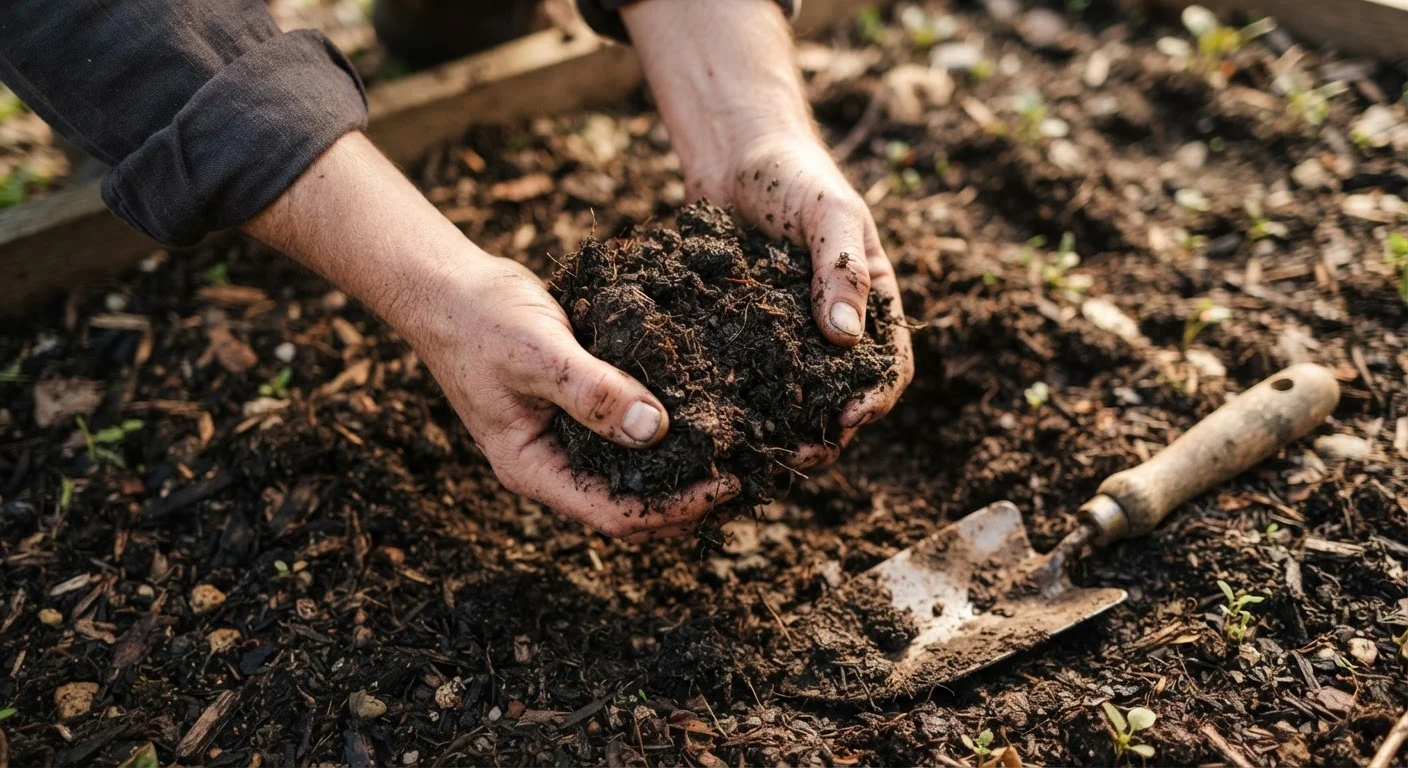
Photo credit: ProximityFinds.com | One-stop Reading Source
In this article
Not all garden soil is the same. Learn how to identify your soil type, what it means for your plants, and how to improve it.
Key Takeaways
- Most backyard soil falls into one of five main types: sand, silt, clay, loam, or peat.
- You can identify your soil type at home using simple jar or ribbon tests - no lab required.
- Clay soils hold nutrients well but drain poorly; sandy soils drain fast but retain little moisture.
- Loam is considered ideal for most plants because it balances drainage, aeration, and nutrient retention.
- Compost improves nearly every soil type and is the most widely recommended amendment by extension horticulturalists.
- Knowing your soil type helps you choose plants that will actually thrive in your yard's conditions.
The Five Main Soil Types You Might Be Standing On
Before you plant a single seed, it helps to understand what's actually beneath your feet. Backyard soil is rarely uniform, and it's almost never the rich, crumbly ideal shown in gardening catalogs. Most American homeowners are working with one of five main soil types - or a mixture of them.
- Sand: Large, coarse particles with lots of air space. Water drains through quickly, which means nutrients wash away fast too. Sandy soil warms up early in spring but dries out rapidly.
- Silt: Medium-sized particles that feel smooth and silky when wet. Silt holds moisture and nutrients reasonably well but can compact and crust over when dry, forming a barrier that slows water absorption.
- Clay: Tiny, tightly packed particles with very little air space. Clay is nutrient-rich and retains water well - sometimes too well. It drains slowly, compacts easily, and becomes rock-hard in drought conditions.
- Loam: A balanced mixture of sand, silt, and clay, plus organic matter. Loam is the gardener's holy grail because it drains well, retains adequate moisture, resists compaction, and supports microbial life.
- Peat: Dark, spongy, and high in organic material. Peat soils are acidic and hold moisture intensely. They're common in low-lying or boggy areas and suit acid-loving plants, but most vegetables struggle in pure peat.
If you're just beginning to plan a garden space, our beginner's garden guide covers what to consider before you dig your first hole.
95%
Of plant problems tied to soil issues
Horticulture extension educators frequently note that the vast majority of common plant failures - poor growth, disease susceptibility, nutrient deficiency - trace back to soil conditions rather than pest pressure or weather.
6.0-7.0
Ideal soil pH range for most vegetables
According to USDA extension guidance, most common vegetable crops perform best in a slightly acidic to neutral pH range, where nutrient availability is at its peak.
2-4 inches
Compost layer recommended per season
University extension programs across the U.S. consistently recommend incorporating 2-4 inches of compost annually as the most practical path to long-term soil improvement for home gardeners.
Simple Tests You Can Do Right Now
You don't need a laboratory to get a useful read on your soil. Two basic tests give you a reliable starting point.
The Jar Test
Fill a clean glass jar about one-third with dry soil from your yard. Add water until it's nearly full, shake vigorously for a full minute, and set it on a flat surface for 24-48 hours. Sand settles within minutes at the bottom; silt forms the middle layer over several hours; clay remains suspended near the top longest and forms the thinnest upper layer. Eyeballing the relative depth of each layer gives you a clear picture of your soil's composition.
The Ribbon Test
Moisten a golf ball-sized clump of soil until it holds its shape. Press it between your thumb and index finger and try to squeeze it into a ribbon. Sandy soil crumbles immediately. Clay soil forms a long, smooth ribbon of 2 inches or more. Loam falls somewhere in between - it forms a short, somewhat gritty ribbon that breaks apart relatively easily.
Test Soil From Multiple Spots
Soil composition can vary significantly across a single yard - even within a few feet. Run your jar or ribbon test using samples from at least two or three different areas, especially if one section of your yard drains differently or supports noticeably different plant growth. Averaging the results gives a more accurate picture of what you're actually working with.
For a more detailed breakdown of nutrients and pH, consider sending a sample to your local cooperative extension service. Many offer soil testing for a modest fee and return results with specific amendment recommendations tailored to your region.
What Your Soil Type Means for Your Plants
Soil type shapes nearly everything about how plants grow - how often you need to water, which nutrients are available, and whether roots can penetrate and spread freely. Understanding this connection helps you make smarter planting choices.
“Healthy soil is not just a growing medium - it's a living ecosystem. When we feed the soil, we feed everything that grows in it.”
— Fred Magdoff, Professor Emeritus of Plant and Soil Science, University of Vermont
Clay soils tend to stay wet for extended periods after rain, which suits moisture-loving plants like Joe-Pye weed, cardinal flower, and many ferns. The trade-off is that clay's poor aeration can cause root rot in plants that need sharp drainage, such as most Mediterranean herbs and ornamental grasses.
Sandy soils are forgiving of overwatering and warm quickly in spring, making them good for root vegetables like carrots and parsnips that need loose, unobstructed ground to develop. However, you'll typically need to water more frequently and add nutrients more often since they leach quickly.
When you're deciding how to use your soil rather than transform it entirely, the choice between raised beds and in-ground planting becomes especially relevant - raised beds let you import a defined soil mix when native soil is difficult to work with.
How to Improve Whatever Soil You Have
The good news: almost every soil type can be improved over time without replacing it wholesale. The most universally effective amendment is finished compost - decomposed organic material that adds nutrients, feeds soil microbes, improves drainage in clay, and boosts water retention in sand.
- For clay soil: Work 3-4 inches of compost into the top 8-10 inches each season. Avoid tilling when wet, which destroys structure. Over several years, clay becomes more workable and drains noticeably better.
- For sandy soil: Add compost regularly and consider cover crops in the off-season to build organic matter. Mulching the soil surface also slows moisture loss significantly.
- For silty soil: Limit foot traffic to prevent compaction. Compost additions and minimal tillage help preserve structure.
- For peaty soil: Mix in sand and compost to improve aeration and moderate the intense moisture retention. Test pH - most peat-heavy soils need lime to become hospitable to a wider range of plants.
Before amending, it's worth double-checking common advice against the evidence. Our article on garden myths addresses several popular soil tips that don't hold up under scrutiny. And once your beds are ready, pairing the right soil with proper mulching technique helps lock in the improvements you've worked to make.
Frequently Asked Questions

Author
Home Editorial Team
Home Editorial Team is the collective byline for our editorial team and contributor network. Articles published under this byline or an editorial pen name are researched, written, and reviewed according to our editorial standards for clarity, consistency, and independence before publication.
View all articles →