
What Garden Mulch Actually Does - and When It Can Cause Problems
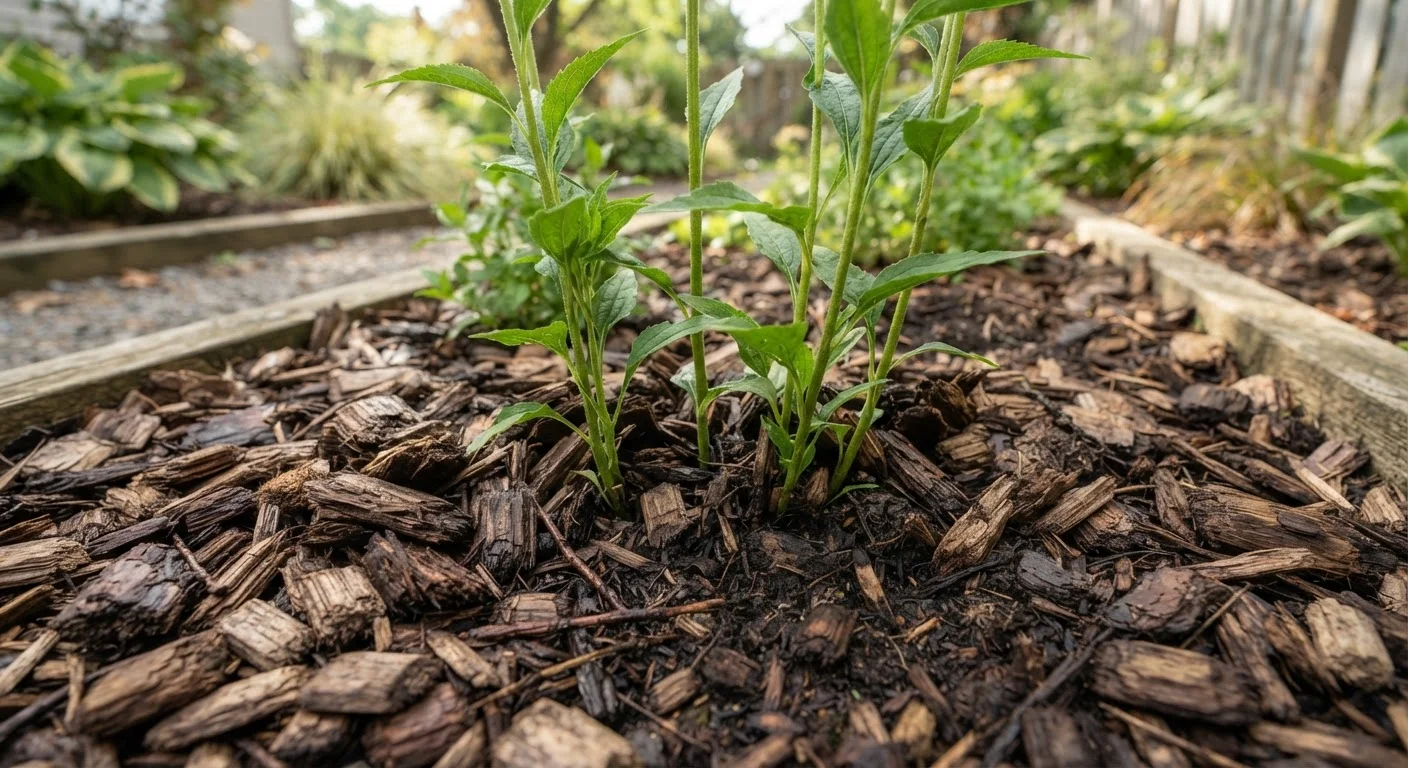
Photo credit: ProximityFinds.com | One-stop Reading Source
In this article
Mulch conserves moisture and suppresses weeds, but applying it incorrectly can harm your plants. Learn the right way to use it.
Key Takeaways
- Mulch conserves soil moisture by reducing evaporation from the soil surface.
- A 2-3 inch layer is generally effective; deeper piling can cause root rot and pest problems.
- "Volcano mulching" - piling mulch against tree trunks - is a common mistake that harms trees.
- Organic mulches improve soil structure as they decompose, benefiting long-term plant health.
- Timing mulch application matters: mulching too early in spring can slow soil warming.
What Mulch Actually Does for Your Soil
Mulch earns its reputation for a reason. When spread across bare soil, it creates a buffer that slows water evaporation, meaning your plants stay hydrated longer between watering sessions. It also moderates soil temperature - keeping roots cooler during summer heat and insulating them against cold snaps in fall and winter.
Organic mulches like shredded leaves, straw, and wood chips go further. As they break down, they feed soil microbes and gradually improve texture, particularly in soils that are either too compacted or too sandy. Understanding what kind of soil you're already working with helps you choose a mulch that complements rather than conflicts with your garden's needs.
Weed suppression is another key benefit. A consistent layer of mulch blocks sunlight from reaching weed seeds in the soil, significantly reducing germination without the need for chemical treatments.
25-50%
Reduction in soil moisture loss with mulch
University cooperative extension research consistently finds that mulched soil retains significantly more moisture than bare soil under the same conditions.
2-3 inches
Recommended mulch depth for garden beds
Most university extension services and horticultural authorities recommend this depth as effective without risking the problems caused by over-mulching.
10°F
Soil temperature buffering mulch can provide
Studies on soil thermal regulation suggest that mulched ground can remain measurably cooler in summer and warmer in early winter compared to bare soil.
Common Mulching Mistakes That Harm Plants
Despite its benefits, mulch applied incorrectly can do real damage. The most widespread error is known as volcano mulching - piling mulch in a cone shape directly against a tree trunk. This traps moisture against the bark, promotes fungal rot, and can attract burrowing insects. Trees should always have a clear ring of bare soil around the base, with mulch starting a few inches away from the trunk flare.
Applying too thick a layer is the second major problem. More than 4 inches of mulch can:
- Block rainwater and irrigation from penetrating to the root zone
- Create anaerobic (oxygen-depleted) conditions that suffocate roots
- Provide cover for rodents and slugs that damage plants
Finally, timing matters. Mulching garden beds too early in spring - before the soil has had a chance to warm - slows the soil temperature rise that seeds and perennials depend on to break dormancy.
The Simple Rule for Mulch Depth
When in doubt, aim for 2-3 inches and pull back from stems. If you're unsure whether you've applied too much, push aside a section and check whether the soil beneath feels moist and loose - if it's wet and compacted, the layer is likely too thick. Refreshing mulch annually rather than adding new layers on top helps prevent problematic buildup over time.
Choosing the Right Mulch for Your Garden
The best mulch depends on what you're growing and what you want to achieve. Here's a practical overview:
- Wood chips or bark
- Long-lasting and visually tidy. Well-suited to trees, shrubs, and perennial beds. Avoid fresh wood chips directly around vegetables, as they can temporarily tie up nitrogen as they decompose.
- Straw
- A classic choice for vegetable gardens. Breaks down within a season, adds organic matter, and is lightweight and easy to apply.
- Shredded leaves
- An excellent free resource in fall. Shredding prevents them from matting into impermeable layers. Adds rich organic matter as they decompose.
- Gravel or stone
- Inorganic options suited to drought-tolerant plantings and pathways. They don't improve soil but do suppress weeds and retain heat - useful in some climates.
Pair your mulch choice with sound watering practices to get the most from both. And if you've run into advice that contradicts what you read here, it's worth checking which claims hold up - common garden myths abound, and mulch is no exception.
“Mulch is one of the best things a homeowner can do for their landscape - but the single most common mistake we see is piling it against trunks and stems. A little gap goes a long way toward keeping plants healthy.”
— Extension Horticulture Specialist, Land-grant university cooperative extension service
Frequently Asked Questions

Author
Home Editorial Team
Home Editorial Team is the collective byline for our editorial team and contributor network. Articles published under this byline or an editorial pen name are researched, written, and reviewed according to our editorial standards for clarity, consistency, and independence before publication.
View all articles →