
Garden Watering Habits That Actually Help Plants Thrive
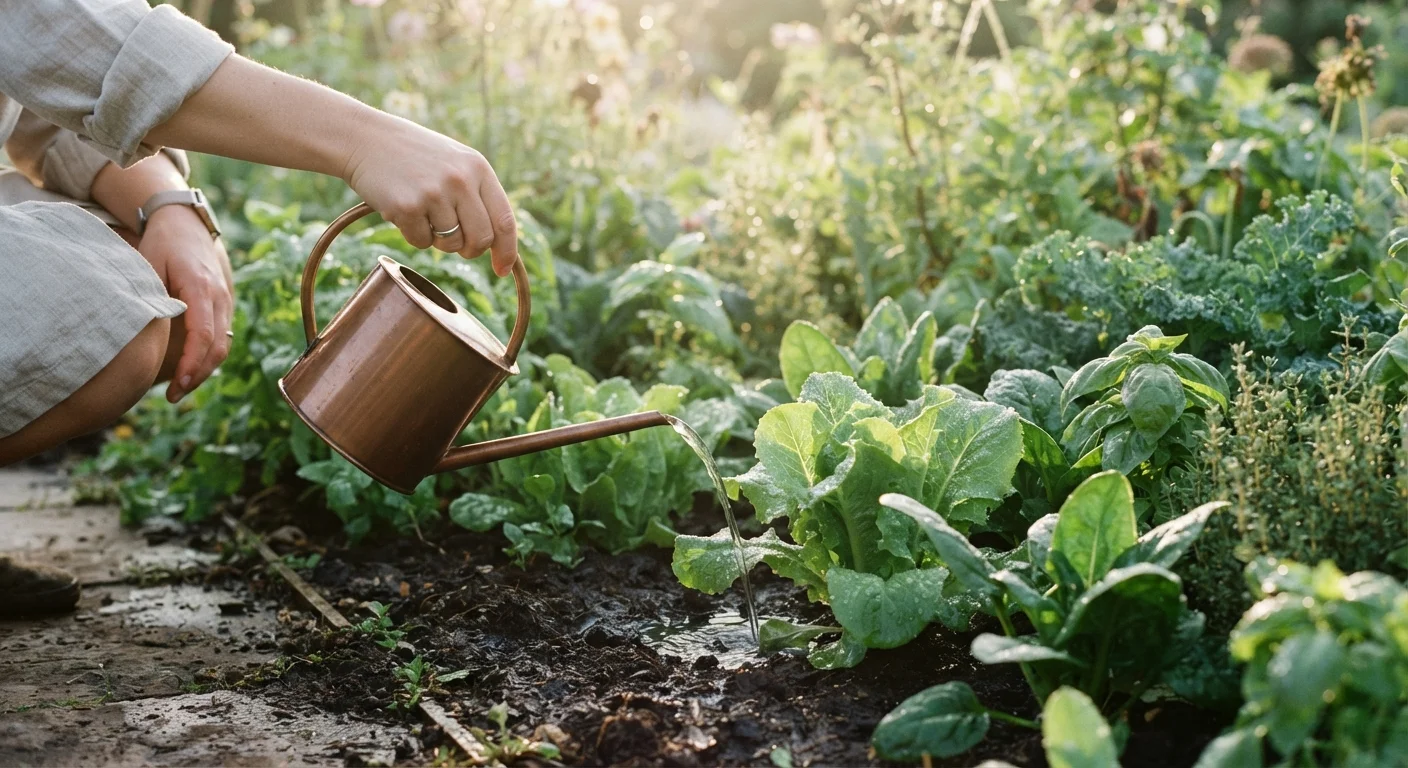
Photo credit: ProximityFinds.com | One-stop Reading Source
In this article
Overwatering kills more gardens than drought does. Discover the watering principles that keep roots healthy through every season.
Key Takeaways
- Overwatering is a more common cause of plant death than underwatering in home gardens.
- Deep, infrequent watering encourages roots to grow downward and access moisture independently.
- Watering in the early morning reduces evaporation loss and lowers the risk of fungal disease.
- Checking soil moisture before watering prevents the guesswork that leads to root rot.
- Mulching around plants significantly reduces how often you need to water.
Why Most Watering Problems Start With Good Intentions
Most new gardeners water too often, not too little. The logic seems sound - plants need water to survive, so more water means healthier plants. In practice, roots sitting in constantly saturated soil are cut off from oxygen and become vulnerable to rot. Overwatering is consistently cited by horticulture educators as one of the leading causes of preventable plant loss in home gardens.
Before you pick up the hose, it helps to understand what your plants are actually doing underground. Roots don't just drink - they breathe. Healthy soil alternates between moisture and air pockets. When you water too frequently, those air pockets never have a chance to form. If you're just starting out, our beginner's guide to planning a garden covers how soil preparation sets the stage for good watering habits from the start.
Water deeply and infrequently rather than shallowly every day
Shallow, frequent watering keeps moisture near the surface, which trains roots to stay shallow and makes plants dependent on you. Deep watering encourages roots to grow further into the soil where they can access stored moisture during dry spells, making plants more resilient.
Check soil moisture before watering - use your finger or a soil probe
Visual cues alone are unreliable. Soil can look dry on the surface while remaining adequately moist 2-3 inches down. Checking before every watering session removes guesswork and prevents the root rot that comes from watering already-wet soil.
Water at the base of plants, not over the foliage
Wet leaves stay wet longer when water lands on them, creating conditions favorable for fungal diseases like powdery mildew and leaf blight. Directing water to the root zone puts moisture exactly where plants can use it.
Water in the early morning whenever possible
Morning watering takes advantage of cooler temperatures and lower wind speeds, which means less evaporation loss. Any moisture that does reach foliage has time to dry before evening, reducing disease risk.
Adjust watering frequency based on season and weather - not habit
Plants need far more water during a hot, windy July than during a mild, overcast week in May. Watering on a fixed schedule without accounting for weather leads to both overwatering in cool periods and underwatering during heat waves.
Smart Watering Practices That Work
The practices below apply broadly across most home gardens - from vegetable beds to flower borders. Some adjustments are needed depending on whether you're growing annuals or perennials, since their root structures and water needs differ. That said, the core principles hold across plant types.
Timing, Mulch, and the Habits That Compound Over a Season
Individually, each watering habit provides modest benefits. Together, they compound. A garden watered deeply, at the right time of day, with mulch on the soil surface, needs far less intervention throughout the season - and produces stronger plants as a result.
Let the Plant Tell You What It Needs
Slight wilting in the late afternoon heat is normal and doesn't necessarily mean a plant needs water - many plants perk back up as temperatures drop at dusk. True water stress shows as wilting that persists into the evening or early morning. Train yourself to check plants at dusk before reaching for the hose.
Mulch is one of the most underused tools for reducing watering frequency. A 2-3 inch layer of organic mulch (such as shredded bark or straw) can cut soil moisture evaporation significantly, meaning you water less often without stressing your plants. Learn more about how mulch works and when it can backfire.
It's also worth knowing what popular advice to ignore. Some widely repeated watering tips - like misting leaves to cool plants in summer heat - can actually promote disease. Our roundup of garden myths that mislead new gardeners addresses several of these directly.
50%
Outdoor water use that goes to landscaping
According to the U.S. Environmental Protection Agency, roughly 30-50% of residential water use is dedicated to outdoor irrigation, much of it applied inefficiently.
2-3 inches
Optimal mulch depth to retain soil moisture
University cooperative extension programs commonly recommend a 2-3 inch layer of organic mulch to meaningfully reduce evaporation and moderate soil temperature.
Finally, watering plays a critical role during transplanting. Newly moved seedlings have limited root systems and are especially sensitive to both drying out and drowning. If you've struggled with seedlings dying after transplant, inconsistent watering in the first two weeks is often part of the problem.

Author
Home Editorial Team
Home Editorial Team is the collective byline for our editorial team and contributor network. Articles published under this byline or an editorial pen name are researched, written, and reviewed according to our editorial standards for clarity, consistency, and independence before publication.
View all articles →