
Unlocked Phones: The Trade-Offs Most Carriers Won't Mention
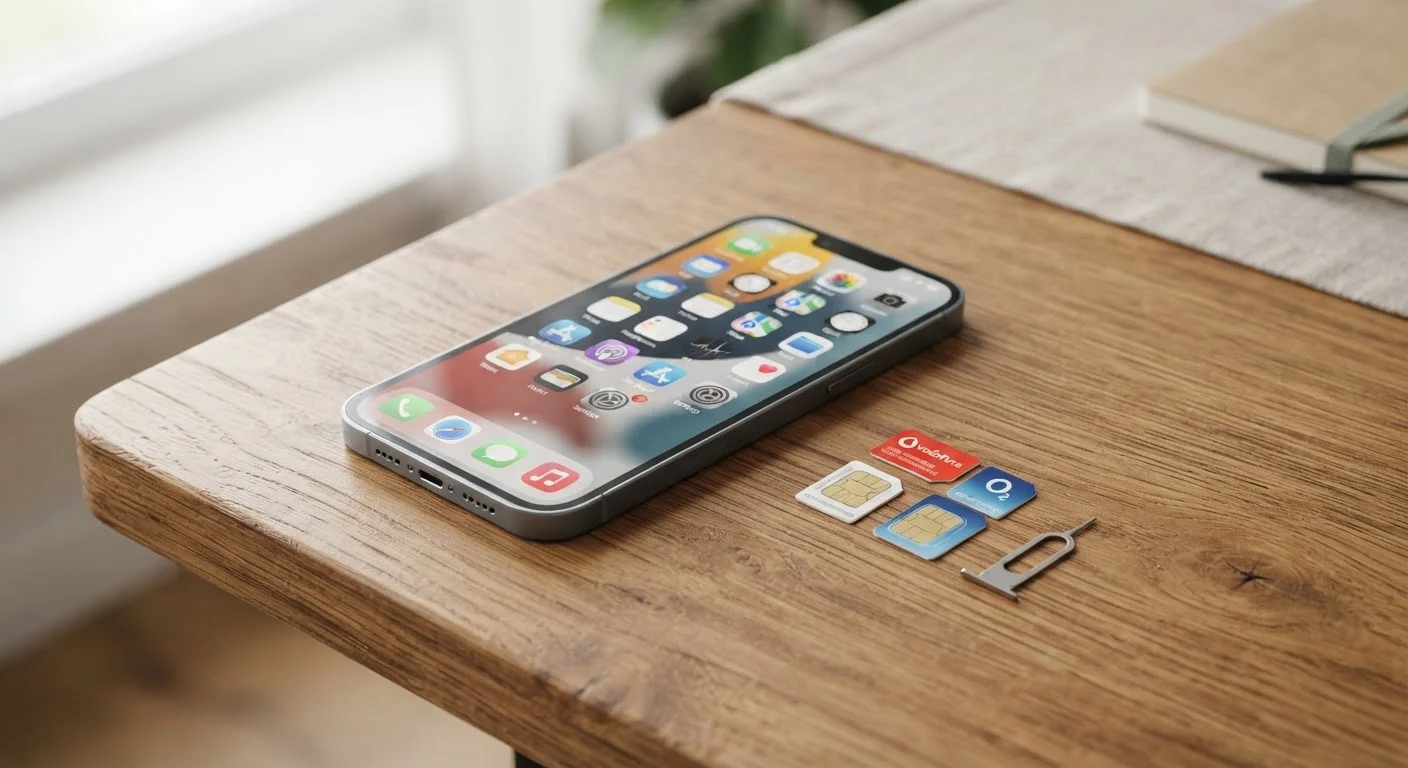
Photo credit: ProximityFinds.com | One-stop Reading Source
In this article
Buying an unlocked phone has real advantages—and real limitations. Here's what changes about your service, warranty, and upgrade options.
Key Takeaways
- Unlocked phones let you switch carriers freely, but not every device supports every carrier's network bands.
- Carrier-locked phones often come with promotional financing deals that unlocked purchases don't qualify for.
- Manufacturer warranties on unlocked phones differ from carrier-supported warranty programs.
- MVNOs and prepaid plans work well with unlocked devices, expanding your low-cost options.
- eSIM-capable unlocked phones simplify carrier switching but may face provisioning limitations on some networks.
Freedom to switch carriers at any time
Without a software lock, you can move to a new carrier by swapping or activating a SIM-no waiting for an unlock request to be approved.
Works with international SIM cards
Inserting a local SIM abroad can dramatically reduce roaming costs compared to domestic international add-on plans.
Compatible with low-cost MVNO plans
MVNOs often offer competitive rates on the same underlying networks; unlocked phones let you access these plans without device restrictions.
Typically less carrier-installed software
Unlocked variants often ship closer to stock software, meaning fewer pre-loaded carrier apps that can't be uninstalled.
No carrier upgrade cycle dependency
You own the device outright, so you can keep it as long as it serves you-or sell it independently without carrier approval.
Higher upfront purchase cost
Unlocked phones are paid for in full at purchase, whereas carrier-financed devices spread the cost over 24-36 months with no interest in many plans.
Ineligible for most carrier trade-in promotions
Many of the highest-value trade-in deals are tied to purchasing a new device through the carrier directly on a qualifying plan.
Network band compatibility is not guaranteed
An unlocked phone may not support all frequency bands used by your carrier, potentially limiting 5G access or coverage in certain areas.
Warranty handled directly by manufacturer
Without a carrier relationship, warranty claims go through the manufacturer's own service process, which may differ in speed and convenience.
eSIM support varies across carriers
Not all carriers-especially smaller prepaid operators-fully support eSIM provisioning, limiting one of the key flexibility benefits of newer unlocked devices.
What 'Unlocked' Actually Means
An unlocked phone is a device not tied to any single carrier by software restrictions. It can accept a SIM card from any compatible network, giving you the freedom to choose-or change-your service provider independently of the hardware you own.
Carrier-locked phones, by contrast, are programmed to work exclusively with one carrier until formally unlocked, which typically requires meeting eligibility conditions like completing a payment plan or fulfilling a contract term. For more on how carrier relationships affect your plan choices, see our complete guide to cell phone plans.
Unlocked Doesn't Always Mean Fully Compatible
A phone being unlocked means it isn't restricted to one carrier's SIM-it doesn't guarantee it will work optimally on every network. US carriers use different combinations of radio frequency bands for LTE and 5G. Before purchasing an unlocked device, check the manufacturer's band specifications against your intended carrier's network requirements. This is especially important for rural coverage and mmWave 5G access.
The Real Advantages
The flexibility argument for unlocked phones is straightforward, but a few benefits go deeper than most buyers realize.
Freedom to switch carriers at any time
Without a software lock, you can move to a new carrier by swapping or activating a SIM-no waiting for an unlock request to be approved.
Works with international SIM cards
Inserting a local SIM abroad can dramatically reduce roaming costs compared to domestic international add-on plans.
Compatible with low-cost MVNO plans
MVNOs often offer competitive rates on the same underlying networks; unlocked phones let you access these plans without device restrictions.
Typically less carrier-installed software
Unlocked variants often ship closer to stock software, meaning fewer pre-loaded carrier apps that can't be uninstalled.
No carrier upgrade cycle dependency
You own the device outright, so you can keep it as long as it serves you-or sell it independently without carrier approval.
International travelers benefit significantly. An unlocked phone accepts local SIMs abroad, which is often far cheaper than domestic roaming rates. Paired with eSIM support, switching to a travel plan or local carrier takes minutes rather than requiring a physical card swap. Our overview of international roaming and eSIM travel plans walks through what each option actually costs.
Unlocked devices also work seamlessly with MVNOs-virtual carriers that run on major network infrastructure at lower price points. If you're exploring that route, our MVNO explainer covers how those networks operate and where they fall short.
The Trade-Offs Carriers Rarely Highlight
Carrier retail stores have little incentive to steer you toward unlocked devices, and that shapes what information reaches you at the point of sale.
Higher upfront purchase cost
Unlocked phones are paid for in full at purchase, whereas carrier-financed devices spread the cost over 24-36 months with no interest in many plans.
Ineligible for most carrier trade-in promotions
Many of the highest-value trade-in deals are tied to purchasing a new device through the carrier directly on a qualifying plan.
Network band compatibility is not guaranteed
An unlocked phone may not support all frequency bands used by your carrier, potentially limiting 5G access or coverage in certain areas.
Warranty handled directly by manufacturer
Without a carrier relationship, warranty claims go through the manufacturer's own service process, which may differ in speed and convenience.
eSIM support varies across carriers
Not all carriers-especially smaller prepaid operators-fully support eSIM provisioning, limiting one of the key flexibility benefits of newer unlocked devices.
~30%
US smartphone sales that are unlocked
Industry analysts have estimated that roughly 30% of US smartphone unit sales occur outside carrier retail channels, reflecting steady growth in direct and unlocked purchases.
24-36 months
Typical carrier device financing term
Most major US carriers structure installment plans over two to three years, tying upgrade promotions to completing or trading in under these terms.
Network band compatibility is the most technical-and most consequential-gap. Carriers in the US each use specific frequency bands for their 4G LTE and 5G networks. An unlocked phone purchased from one region or manufacturer configuration may not support all the bands your carrier uses, potentially degrading your speeds or coverage even when the phone technically connects. Always verify band compatibility for your specific carrier before purchasing an unlocked model.
If you're planning to trade in a device before switching, check out what to verify before trading in your phone-including confirming its unlock status.
Software, Updates, and Warranty Differences
Carrier-branded phones often ship with pre-installed carrier apps-sometimes called bloatware-and may receive software updates on a carrier-controlled schedule rather than directly from the manufacturer. Unlocked devices typically receive updates more directly, though this varies by manufacturer.
Warranty support is a less-discussed difference. Carrier stores often facilitate warranty claims or loaner programs tied to their own service agreements. With an unlocked device, warranty service runs directly through the manufacturer, which means a different process and potentially different turnaround times.
For those weighing plan structures alongside device choices, our breakdown of prepaid vs. postpaid plans explains how cost structure and coverage differ across plan types that pair with unlocked phones.
eSIM and the Evolving Unlock Landscape
The spread of eSIM technology is reshaping what device locking even means. Many recent unlocked smartphones support eSIM, allowing you to add or switch carriers digitally without a physical SIM card. This is especially useful for international travel or testing a new carrier before fully committing.
However, eSIM provisioning isn't universal. Some carriers-particularly smaller prepaid operators-have been slower to support eSIM activation, which can limit your options even with an unlocked, eSIM-capable device. For a deeper look at how the technology works, see our comparison of eSIM vs. physical SIM.
If you do decide to move forward with an unlocked phone and want to switch carriers cleanly, our guide to switching carriers without losing your number covers the process step by step.

Author
Technology Editorial Team
Technology Editorial Team is the collective byline for our editorial team and contributor network. Articles published under this byline or an editorial pen name are researched, written, and reviewed according to our editorial standards for clarity, consistency, and independence before publication.
View all articles →