
eSIM vs. Physical SIM: How the Shift Is Reshaping Phone Ownership
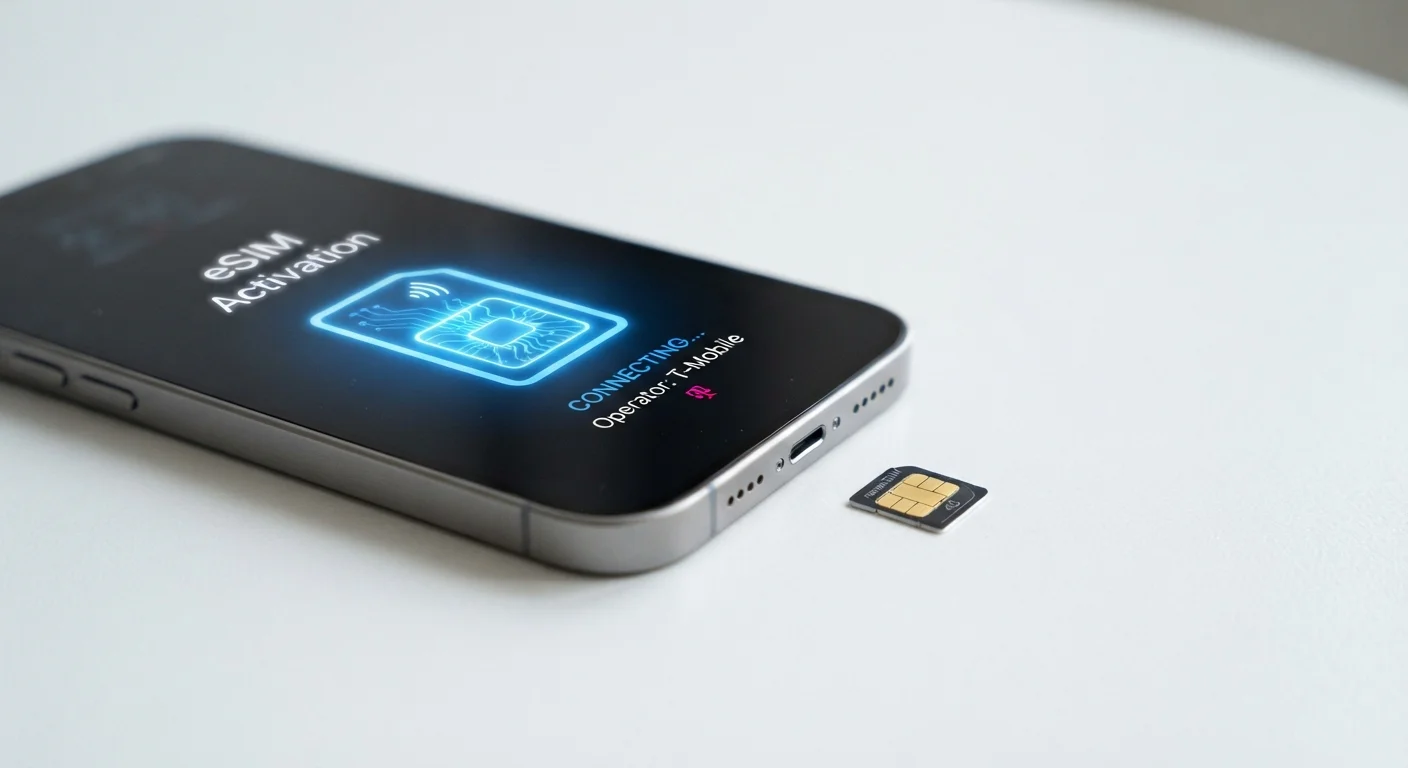
Photo credit: ProximityFinds.com | One-stop Reading Source
In this article
eSIM eliminates the plastic card but changes how you switch carriers and travel internationally. A side-by-side look at both technologies.
Key Takeaways
- eSIM is built into modern smartphones and activated digitally, eliminating the need for a physical card.
- Physical SIM cards remain widely supported and make swapping phones or carriers a simple hardware process.
- eSIM enables multiple carrier profiles on one device, which is useful for international travel and dual-line setups.
- Not all carriers or regions fully support eSIM, so compatibility still matters.
- Some recent flagship phones have removed the physical SIM tray entirely, making eSIM the only option.
What Each Technology Actually Does
A physical SIM card - the small plastic chip you slide into a tray - stores your carrier identity and account credentials in hardware. When you activate a new line or switch carriers, you receive a new card and insert it manually. The process is tangible, low-tech, and universally understood.
An eSIM (embedded SIM) performs the same function but in software. The chip is soldered directly into the device's motherboard during manufacturing. Instead of inserting a card, you download a carrier profile - typically via a QR code scan or a carrier app - and the phone activates that profile digitally. No card, no tray, no waiting for hardware to arrive in the mail.
Most modern flagship smartphones now support eSIM alongside a physical SIM tray, giving users both options. However, several recent US-market models have removed the physical tray entirely, making eSIM the only path forward on those devices. If you're thinking about an unlocked phone, confirming eSIM carrier compatibility before purchase is essential.
| Criterion | eSIM | Physical SIM |
|---|---|---|
| Activation method | Digital download via QR code or app | Insert hardware card into tray |
| Carrier switching | Software-based, requires account access | Swap card, immediate activation |
| Multiple lines on one device | Yes - multiple profiles supported | Limited to dual-SIM hardware only |
| International travel flexibility | High - download foreign profiles remotely | Requires sourcing a local physical SIM |
| Device compatibility | Modern flagships; limited on older devices | Nearly universal across all device ages |
| Physical loss/damage risk | None - embedded in device | Card can be lost, damaged, or misplaced |
| US major carrier support | All four national carriers | All carriers, including most MVNOs |
Switching Carriers: Where the Differences Get Real
One of the most practical differences emerges when you decide to change carriers. With a physical SIM, you request a new SIM from the incoming carrier, insert it, and you're done - a process that takes minutes and requires no internet connection. The card itself is the activation.
With eSIM, the switch happens digitally. You'll typically need to contact both your old and new carrier, obtain a QR code or confirmation number, and complete the transfer through the carrier's app or settings menu. For most people this is still straightforward, but it does require account access and a working data or Wi-Fi connection during the transfer. Our guide to switching carriers without losing your number walks through the porting process in detail regardless of SIM type.
300M+
Global eSIM-capable devices shipped in 2023
According to GSMA Intelligence estimates, eSIM-capable device shipments have grown sharply as manufacturers integrate the standard across more product tiers.
~50%
New US smartphones shipped with eSIM support
Industry analysts tracking US handset activations note that eSIM capability is now present in roughly half of new smartphone activations, with the share rising year over year.
One genuine eSIM advantage: you can store multiple carrier profiles on a single device and switch between them in software settings. This is particularly useful for keeping a domestic plan active while adding a short-term international plan when traveling abroad.
Travel, Compatibility, and What's Still Evolving
For international travelers, eSIM has become a meaningful convenience. Rather than hunting for a local SIM vendor at a foreign airport, you can pre-purchase and download an international eSIM plan before you leave home. Coverage, pricing, and data caps vary significantly between providers, so comparison research before departure remains important. For a structured look at your options, see our overview of roaming vs. local SIM vs. international data plans.
eSIM and Device Locking Still Interact
An eSIM profile is carrier-specific, and if your device is carrier-locked, downloading a competing carrier's eSIM profile may not work even if the hardware supports it. Always confirm your device's unlock status before attempting to add a new carrier via eSIM. This is especially relevant for phones purchased directly from a carrier on an installment plan.
Physical SIM cards still hold a real-world advantage in regions where eSIM carrier support is sparse or where prepaid SIM kiosks are the primary way locals and travelers get connected. In many parts of Asia, Africa, and Latin America, physical SIM infrastructure is more developed than eSIM ecosystems.
The broader shift is accelerating in the US market - all four major national carriers support eSIM - but device-level and plan-level compatibility still requires checking. Not every plan tier, MVNO (mobile virtual network operator), or prepaid offering supports eSIM activation, even on carriers that offer eSIM for their postpaid lines.

Author
Technology Editorial Team
Technology Editorial Team is the collective byline for our editorial team and contributor network. Articles published under this byline or an editorial pen name are researched, written, and reviewed according to our editorial standards for clarity, consistency, and independence before publication.
View all articles →