
Reading a Plant Label: What All Those Terms Actually Mean
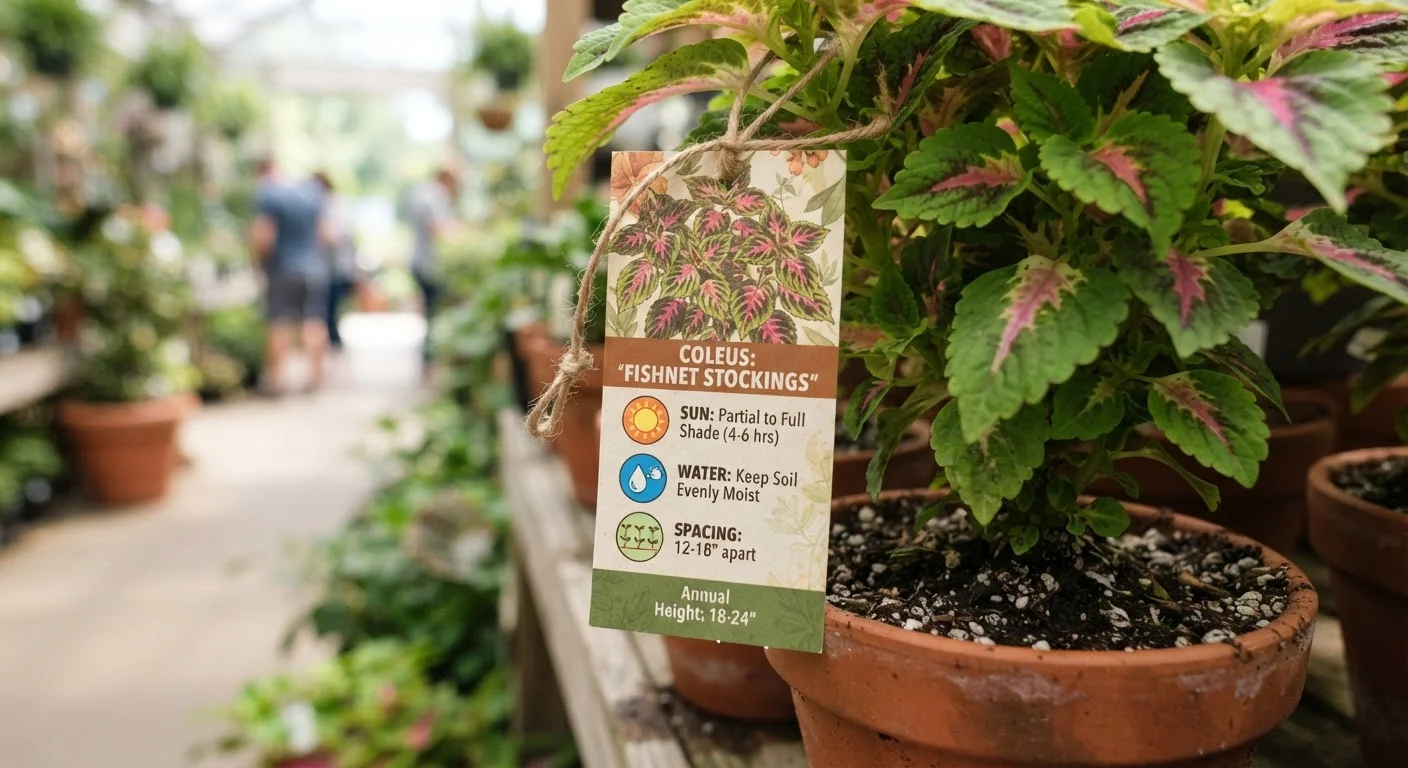
Photo credit: ProximityFinds.com | One-stop Reading Source
In this article
Sun exposure, hardiness zones, spacing requirements — plant labels contain a lot of information. This reference decodes it all.
Why Plant Labels Matter More Than You Think
That small plastic tag stuck in the soil of a nursery pot is one of the most useful pieces of gardening information you'll encounter. It tells you where the plant wants to live, how much room it needs, how fast it grows, and whether it will survive your winters. The problem is that labels use shorthand, symbols, and horticultural jargon that can leave everyday gardeners guessing.
This reference guide breaks down every common term and category you'll find on a plant tag, so you can walk out of the garden center with exactly what your yard needs.
| Full Sun Definition | 6+ hours of direct sunlight daily |
| Part Shade Definition | 3-6 hours of direct sun, afternoon protection preferred |
| USDA Hardiness Zone Map | Divides the U.S. into 13 zones by minimum winter temperature (USDA Agricultural Research Service) |
| Spacing Measurement | Measured center-to-center between plants |
| Annual Life Cycle | One growing season - must be replanted each year |
| Biennial Life Cycle | Two growing seasons - foliage year one, flowers year two |
Sun, Shade, and Everything In Between
Light requirements are usually the first thing listed on a label, and they matter enormously for plant health. Here's what each term means:
- Full Sun: The plant needs at least 6 hours of direct sunlight per day. Most vegetables and many flowering perennials fall into this category.
- Part Sun / Part Shade: These terms are often used interchangeably on labels, but there's a subtle difference. Part sun plants prefer 3-6 hours of direct light and can tolerate some afternoon shade. Part shade plants need 3-6 hours but actively benefit from protection during the hottest part of the day.
- Full Shade: The plant thrives with fewer than 3 hours of direct sun. This doesn't mean total darkness - it means dappled or indirect light, like what you'd find under a tree canopy.
Before buying, map your yard's light patterns throughout the day. Our guide to planning a garden layout based on light walks you through that process step by step.
Hardiness Zones, Mature Size, and Spacing
These three categories tell you whether a plant will survive long-term in your climate and how much physical space it ultimately needs.
Hardiness Zone
A geographic designation from the USDA that indicates the average annual minimum winter temperature for a region. It helps gardeners determine which plants can survive their local winters.
Mature Spread
The expected width of a plant at full maturity, measured from one outer edge of the canopy or foliage to the other. Used to determine proper plant spacing.
Perennial
A plant that lives for more than two years, typically dying back in winter and returning from its root system each spring.
Annual
A plant that completes its full life cycle in a single growing season and must be replanted each year.
Part Shade
A light condition where the plant receives 3-6 hours of direct sunlight per day, with protection from intense afternoon sun being beneficial.
Tender Perennial
A plant that behaves as a perennial in frost-free climates but cannot survive freezing temperatures, so it is typically treated as an annual in colder regions.
Hardiness Zones
You'll often see a label that says something like Zones 5-9. This refers to the USDA Plant Hardiness Zone Map, which divides the country into zones based on average annual minimum winter temperatures. A plant listed for Zone 5-9 is rated to survive winters as cold as Zone 5 (minimum of -20°F) but is also suitable for the warmer winters in Zone 9. If your zone falls outside that range, the plant may die back in winter or fail to thrive in summer heat. For a full explanation, see our guide to USDA hardiness zones.
Mature Height and Spread
Labels list the plant's expected size at full maturity - for example, Height: 3-4 ft / Spread: 2-3 ft. These are approximations that assume average growing conditions. Richer soil, more sun, and consistent water often push plants toward the higher end of the range.
Spacing
Spacing instructions tell you how far apart to plant individual specimens, measured center-to-center. Crowding plants invites poor air circulation, disease, and competition for nutrients. Giving them proper room also means your garden may look sparse for the first season - but patience pays off. Healthy soil helps plants establish quickly; our article on identifying your soil type can help you prepare the ground before planting.
Annual, Perennial, Biennial - and What That Means for Your Budget
One of the most practical distinctions on a plant label is its life cycle classification.
- Annual: Completes its entire life cycle - germination, growth, flowering, and seed production - in a single growing season, then dies. Annuals typically bloom prolifically but must be replanted each year.
- Perennial: Returns year after year from the same root system. Perennials may die back to the ground in winter but re-emerge in spring. They're generally a longer-term investment that fills in more over time.
- Biennial: Takes two growing seasons to complete its life cycle. The first year produces foliage; the second year produces flowers and seeds before the plant dies.
- Hardy vs. Tender: You may also see these modifiers. A hardy annual can tolerate frost; a tender perennial is a plant that behaves as a perennial in warm climates but is typically grown as an annual in colder zones.
Labels Are Guidelines, Not Guarantees
Plant label information reflects average growing conditions and regional norms. Microclimates in your yard - such as a south-facing wall that holds heat or a low spot that stays wet - can affect how a plant performs. Use labels as a starting point, then observe how your specific plants respond through their first full season.
Bloom Time and Water Needs
Bloom time (e.g., Early Spring, Summer-Fall) helps you plan for continuous color across your garden season. Water need labels - Low, Moderate, or High - indicate drought tolerance. Low-water plants are adapted to dry spells; high-water plants need consistent moisture and may struggle without irrigation during dry summers.

Author
Home Editorial Team
Home Editorial Team is the collective byline for our editorial team and contributor network. Articles published under this byline or an editorial pen name are researched, written, and reviewed according to our editorial standards for clarity, consistency, and independence before publication.
View all articles →