
The Plain-English Guide to Audio Specs: Impedance, Frequency Response, and SNR
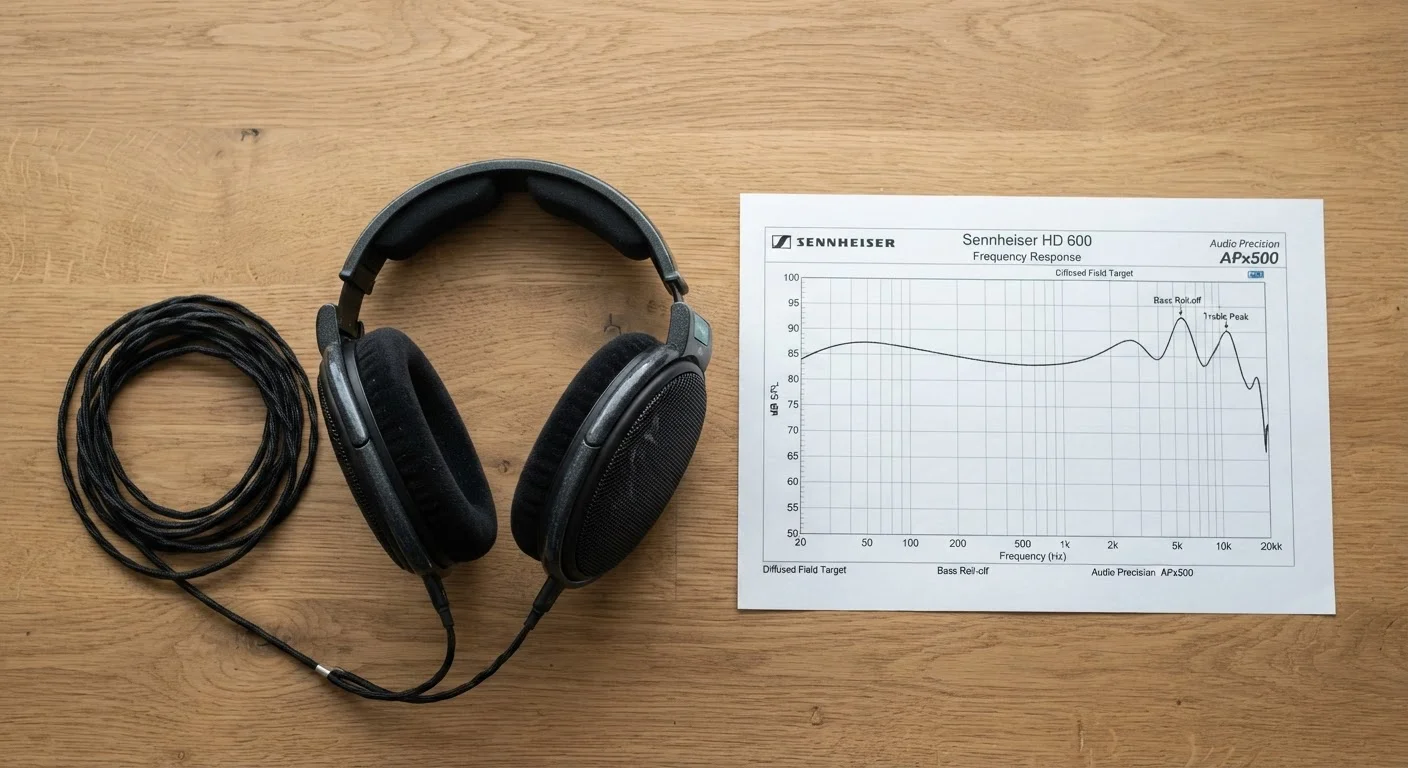
Photo credit: ProximityFinds.com | One-stop Reading Source
In this article
Headphone and speaker listings are full of technical numbers. This guide decodes the most common audio specs so you can understand what they actually measure.
Why Audio Specs Feel So Confusing
Walk through any headphone or speaker listing and you'll encounter a wall of numbers: 32Ω, 20Hz-20kHz, 110dB SNR. Manufacturers publish these figures because they describe real, measurable properties - but the labels are rarely explained. This guide translates the three specifications that appear most often into plain terms, so you can read a spec sheet with genuine understanding rather than guesswork.
If you've already worked through our smartphone spec field guide, you'll find the same decoding approach applied here to audio gear.
| Typical consumer headphone impedance range | 16Ω - 600Ω |
| Human hearing frequency range | Approx. 20Hz - 20kHz |
| Adequate SNR for consumer audio | 90dB or higher |
| Impedance threshold suggesting amplifier use | 50Ω and above |
| SNR range of higher-end audio electronics | 110dB - 120dB+ |
Impedance: How Hard Is the Driver to Drive?
Impedance (measured in ohms, Ω) describes the electrical resistance a headphone or speaker presents to an audio source. The higher the impedance, the more voltage is required to push adequate volume through the driver.
Consumer headphones typically range from about 16Ω to 600Ω. Earbuds and wireless headphones tend to cluster at the low end - 16Ω to 32Ω - because they're designed to run directly from a phone or tablet, which delivers limited voltage. Studio and audiophile headphones often start at 80Ω or higher and benefit from a dedicated headphone amplifier to reach their designed performance level.
A practical rule of thumb: if a headphone's impedance is 50Ω or above, check whether your source can drive it properly. Running high-impedance headphones from an underpowered source typically results in lower volume, reduced bass, and a thinner overall sound - not a flaw in the headphone itself, but a mismatch in the system.
Impedance (Ω)
The electrical resistance a headphone or speaker presents to its audio source, measured in ohms. Higher values require more voltage to reach adequate volume and typically demand a dedicated amplifier.
Frequency Response
The range of sound frequencies, from bass to treble, that an audio device can reproduce. Expressed as a low-to-high Hz range, it describes potential coverage but not evenness of reproduction.
Signal-to-Noise Ratio (SNR)
The ratio between the intended audio signal and background electronic noise, measured in decibels. A higher number means less audible hiss or static relative to the music.
Driver
The transducer inside a headphone or speaker that converts electrical signals into sound waves. Driver size and design influence frequency range and efficiency.
Sensitivity (dB/mW)
How efficiently a headphone converts electrical power into sound volume, typically measured in decibels per milliwatt. Higher sensitivity means louder output from the same power source.
DAC (Digital-to-Analog Converter)
A component that converts digital audio data into an analog electrical signal that a speaker or headphone driver can use. Found inside phones, computers, and standalone audio equipment.
Frequency Response: What Range of Sound Can It Reproduce?
Frequency response states the range of audio frequencies - from low bass to high treble - that a driver can reproduce, measured in hertz (Hz) and kilohertz (kHz). Human hearing generally spans 20Hz to 20kHz, so most consumer audio products list this range as their baseline.
The range figure alone tells you relatively little. What matters more is how flat the response is across that range - meaning how evenly the device reproduces all frequencies without boosting or cutting some more than others. A product that claims 20Hz-20kHz but rolls off steeply below 60Hz or above 15kHz may still produce bass and treble, just at noticeably lower volume.
Manufacturers rarely publish the full frequency response graph in a marketing listing, but independent audio measurement databases and review sites often do. A flatter curve generally indicates more accurate, neutral reproduction; a deliberately shaped curve may boost bass or cut harsh highs as a consumer preference tuning choice. Neither is inherently better - it depends on what you're listening to and whether you prefer accuracy or a particular sonic character.
20Hz-20kHz
Baseline human audible frequency range
This range represents the generally accepted outer limits of human hearing and serves as the standard benchmark for consumer audio frequency response claims.
~95dB
SNR threshold where noise becomes largely inaudible
Audio engineers commonly note that at SNR values above approximately 95dB, most listeners under typical listening conditions cannot perceive background noise.
Signal-to-Noise Ratio: How Much Hiss Is in the Signal?
Signal-to-Noise Ratio (SNR) measures the gap between a device's intended audio output and its background noise floor, expressed in decibels (dB). A higher SNR means the useful audio signal is much louder than any unwanted hiss, static, or electronic noise.
For consumer audio equipment - DACs (digital-to-analog converters), amplifiers, and wireless headphone electronics - an SNR of 90dB or above is generally considered adequate. Higher-end equipment commonly reaches 110dB to 120dB or more. In practice, most listeners cannot perceive noise at all when SNR exceeds about 95dB under normal listening conditions.
SNR becomes more noticeable at the extremes: very quiet passages in classical music, late-night low-volume listening, or in-ear monitors with high sensitivity. If you primarily listen at moderate volumes to music with consistent levels, SNR differences between 95dB and 110dB are unlikely to be audible in most environments.
For a parallel look at how display and connectivity specs work in consumer electronics, see our TV spec glossary.
Specs Describe Potential, Not Experience
Every audio specification describes what a device is capable of under controlled measurement conditions - not how it will sound to your ears in your environment. Factors like ear shape, source quality, room acoustics, and listening volume all shape perceived audio quality in ways no single number captures. Treat specs as a filtering tool to narrow options, not as a definitive quality ranking.

Author
Technology Editorial Team
Technology Editorial Team is the collective byline for our editorial team and contributor network. Articles published under this byline or an editorial pen name are researched, written, and reviewed according to our editorial standards for clarity, consistency, and independence before publication.
View all articles →