
Bluetooth Versions Decoded: Why the Number on the Box Matters Less Than You Think
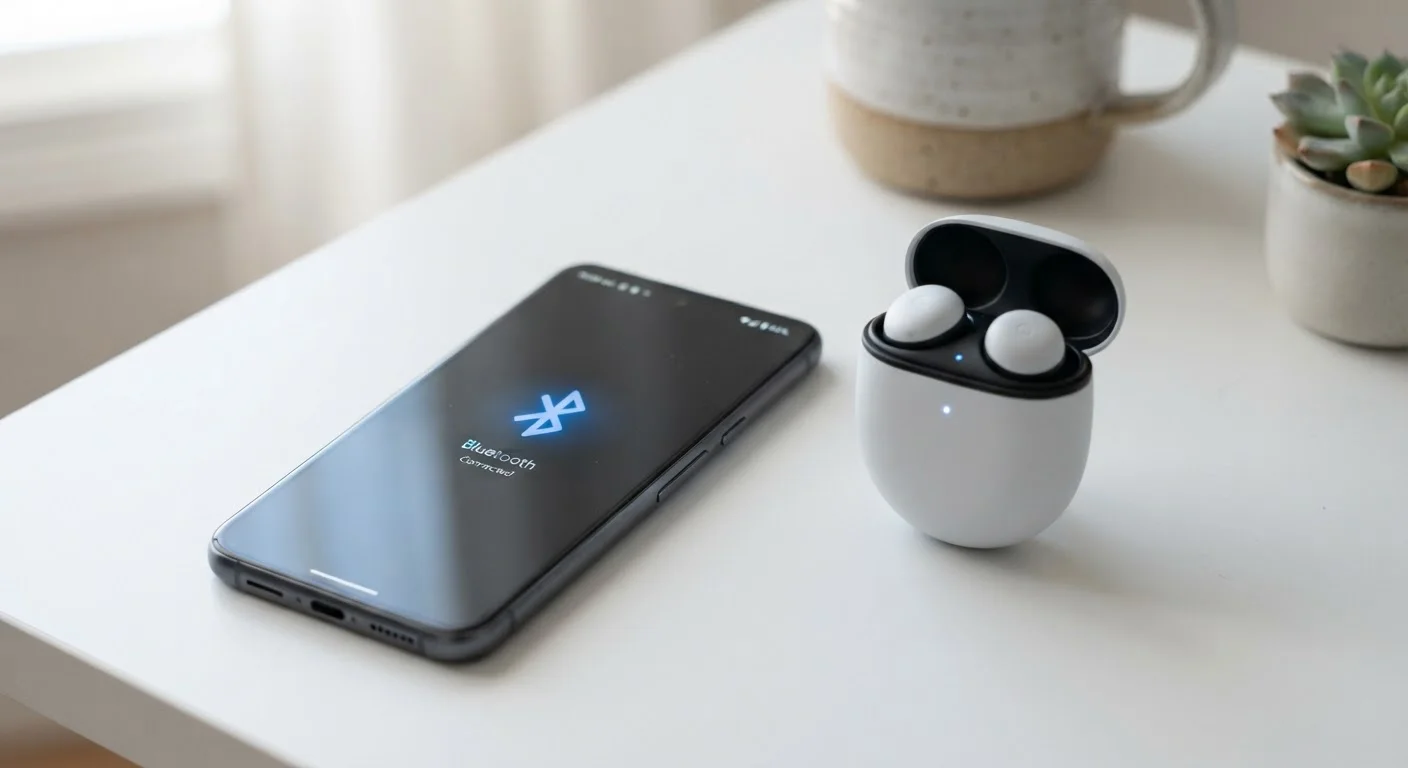
Photo credit: ProximityFinds.com | One-stop Reading Source
In this article
Bluetooth 5.0, 5.3, LE Audio—version numbers are marketed heavily but often misunderstood. Here's what each generation actually changes in real-world use.
Key Takeaways
- A higher Bluetooth version number does not automatically mean better audio quality or longer range in practice.
- Manufacturers choose which optional features within each version to implement, creating wide variation between devices.
- Bluetooth LE Audio (introduced alongside 5.2) is a structural change in how audio is transmitted, not just an incremental upgrade.
- Codec support - such as aptX or AAC - matters more for audio fidelity than the Bluetooth version alone.
- Backward compatibility means newer-version devices still connect with older hardware, just without the newer features.
- Most consumers will not notice a real-world difference between Bluetooth 5.0 and 5.3 in everyday use.
Why Bluetooth Version Numbers Get Overcomplicated
Walk into any electronics aisle and you'll see Bluetooth version numbers listed prominently on packaging - 5.0, 5.2, 5.3, LE Audio. The implication is clear: higher equals better. In reality, the relationship between a version number and what you actually experience is far less straightforward than marketing suggests.
The Bluetooth Special Interest Group (SIG) releases updated core specifications that define new capabilities - extended range, lower power draw, new audio frameworks. But adoption of those capabilities is entirely optional for device manufacturers. A company can certify a product as Bluetooth 5.3 while implementing only a fraction of what that version makes possible. The version number tells you which specification a device was built against, not which features it actually includes.
This is the same dynamic that makes smartphone specifications worth decoding carefully. As our guide to smartphone specs explains, the number on the box often obscures more than it reveals about real-world performance.
Backward Compatibility Is Reliable
Bluetooth maintains strong backward compatibility across generations. A smartphone running Bluetooth 5.3 will connect without issue to a pair of headphones built on Bluetooth 4.2. The connection simply operates within the constraints of the older device's capabilities. You do not need matching version numbers for a stable, functional connection.
What Each Major Generation Actually Changed
Understanding what each significant update introduced helps cut through the noise.
- Bluetooth 4.0 (2010): Introduced Bluetooth Low Energy (BLE), a separate low-power mode designed for devices like fitness trackers and sensors that send small bursts of data. Classic Bluetooth (for audio and file transfer) remained its own track.
- Bluetooth 4.2 (2014): Added stronger privacy protections and improved data transfer speeds within BLE. Still widely found in older wearables and accessories.
- Bluetooth 5.0 (2016): Doubled the theoretical speed of BLE data transmission and quadrupled potential range in ideal conditions. These headline figures rarely translate directly to consumer use, where walls, interference, and hardware design cap real performance.
- Bluetooth 5.1 and 5.2 (2019-2020): 5.1 added direction-finding for more precise location tracking. 5.2 was more consequential - it introduced the framework for LE Audio, a new approach to wireless sound built around the LC3 codec.
- Bluetooth 5.3 (2021): Refined connection subrating and improved coexistence with other wireless signals, particularly useful in environments crowded with Wi-Fi and other devices. A meaningful engineering improvement, though largely invisible to most users.
4×
Theoretical range increase from Bluetooth 4.x to 5.0
Bluetooth SIG specifications cite up to four times the range of Bluetooth 4.x in open, unobstructed conditions - a figure that rarely holds in typical indoor environments.
~50%
LC3 codec data rate reduction vs. SBC at similar quality
The Bluetooth SIG has published that the LC3 codec used in LE Audio can achieve comparable audio quality to SBC at roughly half the data rate, contributing to longer battery life.
5.2+
Minimum Bluetooth version required for LE Audio
LE Audio is only available on devices built to the Bluetooth 5.2 or later specification and requires explicit implementation by the manufacturer - it is not automatic.
LE Audio: The Upgrade That Actually Warrants Attention
Most Bluetooth version updates are incremental. LE Audio - which requires at least Bluetooth 5.2 and must be explicitly implemented - is a genuine architectural change worth understanding.
Classic Bluetooth audio (used in most headphones sold today) streams audio using profiles developed decades ago. LE Audio replaces this with a new system built on the LC3 codec, which delivers comparable or better audio quality at lower data rates, extending battery life in wireless earbuds. More significantly, LE Audio enables Auracast, a broadcast feature that allows a single audio source - an airport display, a theater - to stream sound to any number of nearby compatible devices simultaneously.
LE Audio also lays the technical groundwork for standardized hearing aid support, bringing wireless audio into a domain previously requiring proprietary solutions. This is meaningful for accessibility in ways that raw version numbers never capture.
The practical catch: both the transmitting device (your phone) and the receiving device (your headphones) need to support LE Audio. Most hardware sold before 2023 does not. The feature is not retroactively unlocked by a software update.
For a broader look at how going wireless changes your listening experience beyond just the cable, see our wired vs. wireless headphones comparison.
What Actually Determines Real-World Performance
If version numbers are a blunt instrument, what should you actually look at? Several factors have more direct impact on daily use.
Codec support determines audio quality in wireless headphones. SBC is the baseline codec required by all Bluetooth audio devices - it's functional but not high-fidelity. AAC is broadly supported and preferred by many iOS users. aptX and aptX HD (developed by Qualcomm) provide higher-resolution audio on compatible Android devices. LC3, part of LE Audio, represents the next generation. The codec must be supported by both your phone and your headphones - mismatches default to SBC regardless of what version number either device carries.
Multipoint connection - the ability to pair one set of headphones to two devices at once - is a feature independent of version number. It requires explicit manufacturer implementation and is increasingly common but not universal.
Antenna design and device hardware affect range and connection stability far more than version numbers do in real use. A well-engineered Bluetooth 5.0 device can outperform a poorly implemented Bluetooth 5.3 device in every measurable way.
This pattern of specs mattering less than implementation is familiar territory - similar to how 5G coverage works in practice versus what's implied by the version label.
Check Codec Support Before You Buy
When evaluating wireless headphones or earbuds, look for codec compatibility on the product spec sheet rather than focusing on the Bluetooth version number. If you use an iPhone, AAC support is the key codec to verify. Android users benefit from checking for aptX or aptX HD support on both their phone and the headphones. For future-proofing, devices that explicitly advertise LE Audio support will be positioned for the next generation of wireless audio features.
Frequently Asked Questions

Author
Technology Editorial Team
Technology Editorial Team is the collective byline for our editorial team and contributor network. Articles published under this byline or an editorial pen name are researched, written, and reviewed according to our editorial standards for clarity, consistency, and independence before publication.
View all articles →