
Organizing a Shared Space When You and Your Partner Have Different Habits
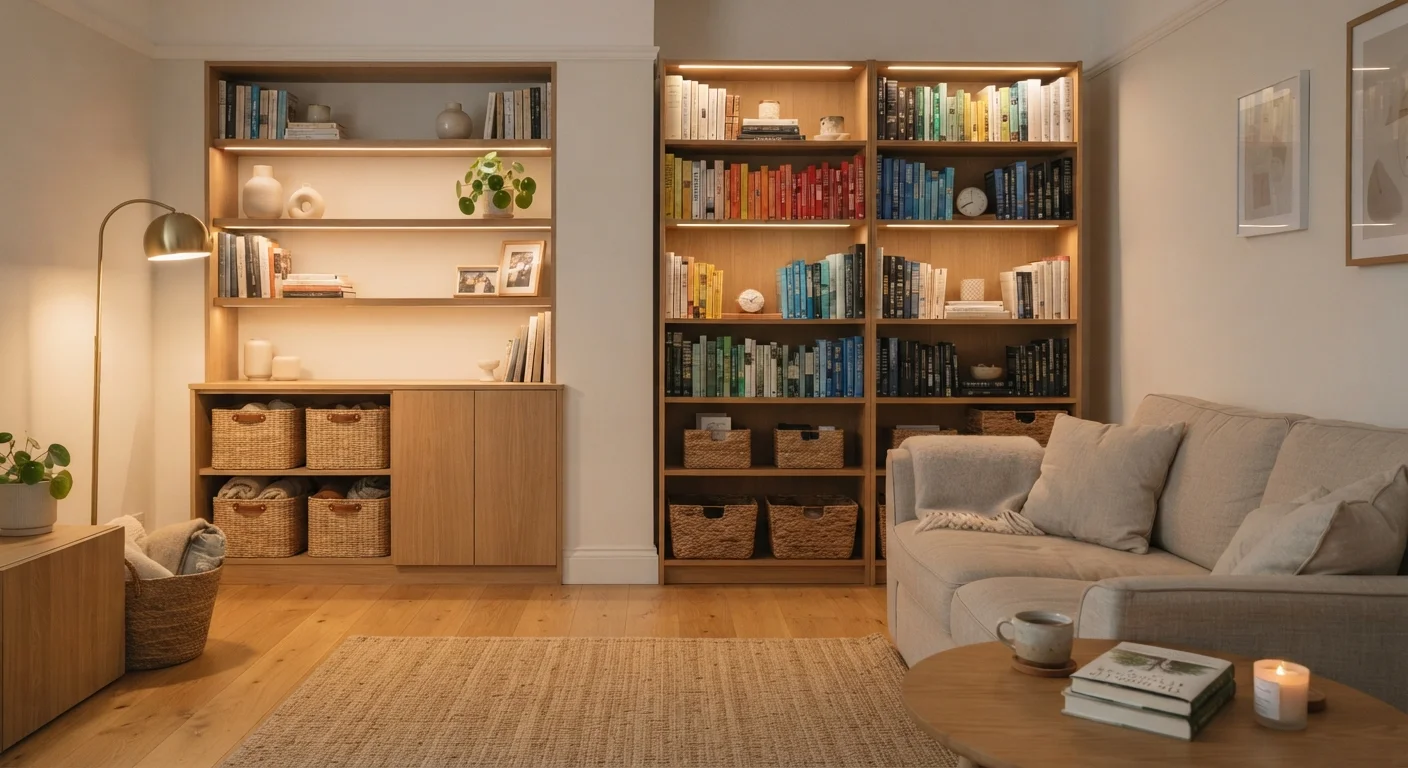
Photo credit: ProximityFinds.com | One-stop Reading Source
In this article
When two people share a home but approach tidiness differently, conflict is common. Learn how to build systems that work for both of you.
Key Takeaways
- Differences in tidiness habits are normal - the goal is a shared system, not changing your partner.
- Designating personal zones reduces friction without requiring identical habits.
- Low-effort storage solutions make it easier for both partners to maintain order.
- A brief weekly reset habit prevents small messes from becoming major conflicts.
- Honest conversation about priorities is the foundation of any lasting organization system.
Why Different Habits Create Friction - and Why That's Normal
Most couples don't argue about tidiness because one person is wrong. They argue because two people with genuinely different thresholds for disorder are sharing the same physical space, without any agreed-upon system for managing it. One partner might naturally put things away immediately; the other might work comfortably surrounded by productive clutter and tidy up in batches. Neither approach is broken - they just need a structure that accommodates both.
If you're starting from a place of general disorganization, our beginner's guide to home organization can help you both get oriented before building a shared system. Shared-space conflict is essentially a design problem: the home hasn't been set up to make the tidy outcome easy and obvious for two different people.
Focus on Systems, Not Standards
Trying to impose one partner's tidiness standard on the other rarely works and often causes resentment. Instead, design systems that make the tidy outcome the easy default for both of you. The goal is a home that functions well for two different people, not a home that looks exactly like one person imagined it.
The steps below are designed to be worked through together, not assigned to one partner.
Tools and Preparation
Before you begin, gather a few practical supplies and set realistic expectations. You won't need to buy everything at once - start with what you already have and add as needed.
Labeled bins or baskets
Provide designated drop zones so both partners know exactly where items belong.
Drawer dividers
Separate personal items within shared drawers to prevent mixing and frustration.
Hooks or wall-mounted organizers
Create frictionless landing spots for frequently used items like bags, keys, and jackets.
A shared digital calendar or task app
Coordinate reset routines and reminders so both partners participate equally.
What you will need
For a deeper look at which storage formats - vertical shelving, drawer dividers, or hidden storage - suit different habits and spaces, see our comparison of popular storage approaches. The same communication skills that help here can also carry over to other joint decisions - for example, budgeting as a couple involves very similar conversations about differing habits and priorities.
Step-by-Step: Building a System That Works for Both of You
Start With One Room, Not the Whole House
Tackling the entire home at once is overwhelming and can lead to abandoned efforts. Pick one shared space - the kitchen counter, the entryway, or a bedroom dresser - and build a system that works there before expanding. Small wins build momentum and mutual confidence.
Have a Habit Audit Conversation
Before touching a single shelf, sit down with your partner and talk through how each of you naturally moves through the home. Where do things pile up? What feels most frustrating? What does "clean enough" mean to each of you? Framing this as a curiosity conversation - not a complaint session - sets a collaborative tone. You're gathering information, not assigning blame.
Identify Your Non-Negotiables and Nice-to-Haves
Each partner should name two or three spaces or conditions that genuinely matter most to them - a clear kitchen sink, a tidy bedroom surface, shoes off at the door. Then identify what each of you cares about less. These lists reveal where to invest the most effort and where to give each other grace. Prioritizing together prevents exhausting battles over low-stakes issues.
Create Personal Zones Within Shared Spaces
Wherever possible, give each person a defined area that is fully their own - a nightstand, a closet section, a desk drawer, a bathroom shelf. This lets the "freer" partner maintain their preferred level of organization in their zone without affecting shared areas. It also reduces the feeling that one partner is policing the other. Even small personal zones dramatically lower daily friction.
Build Low-Effort Systems for Shared Areas
The best shared organization system is one that takes almost no effort to maintain. Think open bins instead of lidded boxes, hooks instead of hangers, and labeled baskets instead of vague "junk" areas. The easier it is to put something away correctly, the more likely both partners will do it. If returning an item to its place takes more than two steps, redesign the system. For high-traffic zones like entryways, a purposefully designed landing zone can contain clutter before it spreads into the rest of your home.
Agree on a Weekly Reset Routine
Rather than expecting continuous perfection, schedule a brief weekly reset - 15 to 20 minutes where both partners return shared spaces to baseline. Sunday evenings work well for many couples. Treat it as a shared household task, not one person's responsibility. Pair it with something enjoyable - a podcast, music, or a cup of coffee - to reduce resistance.
Check In and Adjust the System Over Time
No organization system survives first contact with real life unchanged. Plan a brief monthly check-in to review what's working and what isn't - without judgment. If a basket is always overflowing, it's a system problem, not a character flaw. Treat adjustments as normal maintenance, not evidence of failure. Couples who revisit their systems regularly tend to build lasting habits rather than cycling through repeated reorganizations.
Avoid Organizing Without Consulting Your Partner
Reorganizing shared areas on your own - without discussing it first - can feel controlling and dismissive. Even well-intentioned overhauls can displace items your partner relies on. Approach every shared space as a collaborative project, not a solo renovation.

Author
Home Editorial Team
Home Editorial Team is the collective byline for our editorial team and contributor network. Articles published under this byline or an editorial pen name are researched, written, and reviewed according to our editorial standards for clarity, consistency, and independence before publication.
View all articles →