
Home Improvement Myths That Lead to Costly Repairs
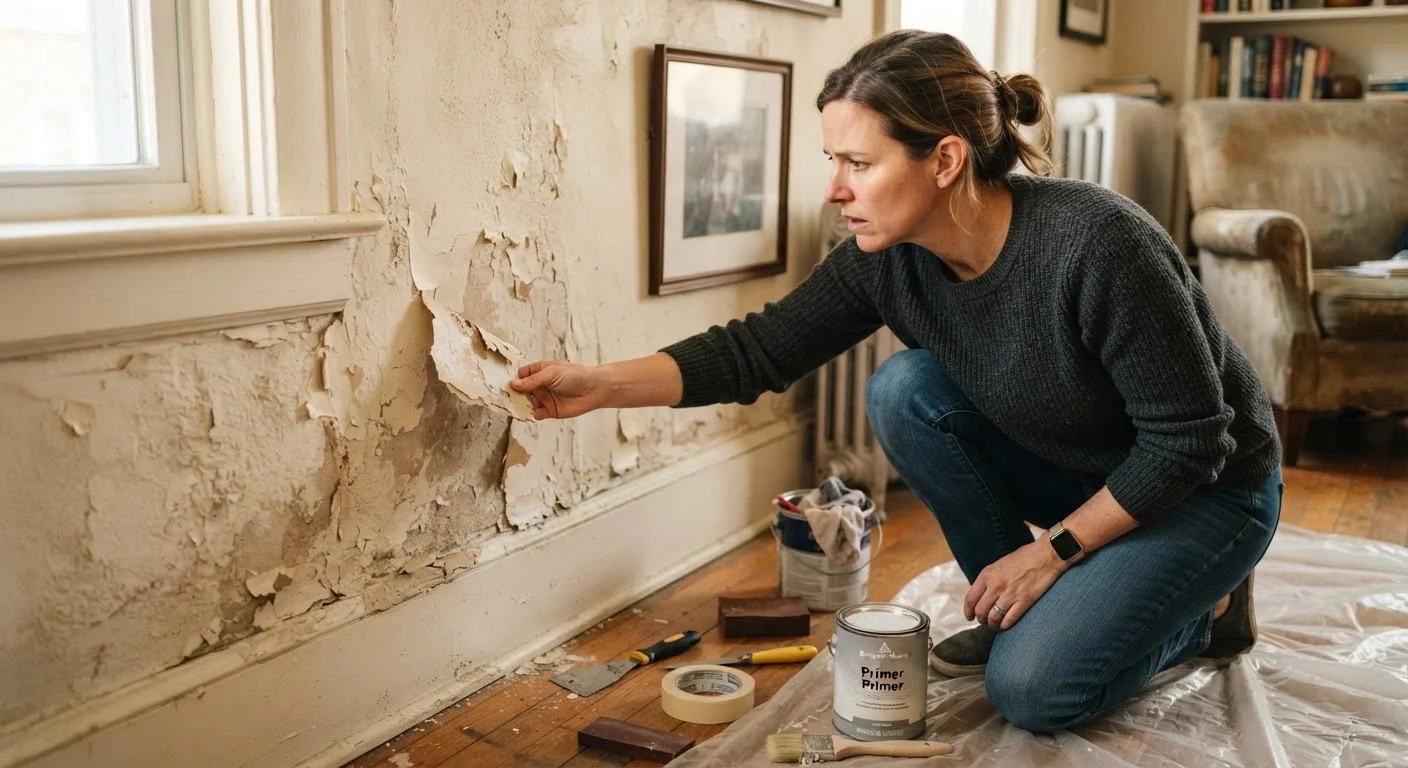
Photo credit: ProximityFinds.com | One-stop Reading Source
From painting over peeling surfaces to skipping primer — common DIY beliefs that actually cause damage, and what the evidence says instead.
Key Takeaways
- Painting over peeling or dirty surfaces traps moisture and causes paint to fail prematurely.
- Skipping primer almost always costs more in the long run due to extra coats and poor adhesion.
- Caulk is not a structural fix - it cannot replace proper flashing, grading, or waterproofing.
- Tightening a leaky pipe fitting without diagnosing the root cause often makes the leak worse.
- Permits and inspections exist to protect homeowners, not inconvenience them - skipping them can void insurance.
Why DIY Myths Are Expensive
Home improvement culture runs on passed-down wisdom - tips from a neighbor, a half-remembered YouTube video, or advice inherited from a parent. Much of it is genuinely useful. But some widely repeated beliefs are simply wrong, and when homeowners act on them, the damage can be far more costly than the original problem would have been.
This article examines six of the most persistent home improvement myths, explains what actually happens when you follow them, and offers evidence-based alternatives. Whether you're painting a bedroom or troubleshooting a slow drain, understanding the mechanics behind each task helps you make decisions that hold up for years - not just weeks.
For homeowners about to take on surface work, our guide to surface prep and tiling fundamentals covers the same principle of doing the groundwork right before the finish work begins.
Myth
You can paint over peeling paint as long as you add enough coats to cover it.
Fact
Paint applied over peeling surfaces will continue to fail - new coats bond to the unstable layer beneath, not the wall itself.
Peeling paint signals a bonding failure, often caused by moisture intrusion, a surface that wasn't cleaned, or incompatible paint types. Adding new paint on top of a failed layer doesn't resolve any of those causes - it just adds weight to a surface that's already letting go. The correct approach is to scrape away all loose material, sand the edges of any remaining paint to feather the transition, clean the surface thoroughly, apply a bonding primer, and only then repaint. Skipping even one of those steps typically means the same spot is peeling again within a season.
Myth
Primer is optional if you're using a paint labeled 'paint and primer in one.'
Fact
Paint-and-primer combo products perform well on previously painted, clean surfaces - but they are not a substitute for a dedicated primer on bare drywall, wood, or stained surfaces.
Dedicated primer is formulated to penetrate and seal porous surfaces, block stains, and create a uniform base that improves adhesion and color accuracy. Combo products are optimized for coverage and convenience in recoat situations, not for raw or problem surfaces. On new drywall in particular, skipping primer causes the finish coat to absorb unevenly - a defect called flashing that's especially visible in raking light. Applying a proper primer coat typically reduces the number of finish coats needed and extends the life of the paint job significantly.
Myth
Caulk can seal any gap or crack to keep water out permanently.
Fact
Caulk is a maintenance sealant, not a waterproofing solution. It has a finite lifespan and cannot compensate for structural gaps, improper flashing, or inadequate drainage.
Caulk works well for sealing joints between trim, around fixtures, and at transitions between different materials - places where small seasonal movement occurs. But when water is finding its way in through a gap caused by settlement, failed flashing, or negative grading around the foundation, caulk only masks the symptom. Water tends to find the next available path, often one that's harder to detect. Homeowners who rely on caulk to fix a drainage or flashing problem typically discover the same moisture damage in a new location within one to two seasons.
Myth
If a pipe fitting is leaking, tightening it further will stop the drip.
Fact
Over-tightening threaded or compression fittings can crack the fitting or fitting seat, turning a small drip into a larger failure.
Leaks at fittings are usually caused by a degraded washer, failed thread tape, or a crack - not by the fitting being loose. Continuing to tighten past hand-snug (plus a quarter to half turn for most compression fittings) distorts the seating surface and can fracture plastic fittings entirely. The correct diagnosis is to shut off the water supply, disassemble the fitting, inspect the washer and threads, replace worn components, apply fresh thread tape where applicable, and reassemble to the correct torque. For anything beyond basic fixture connections, a licensed plumber can quickly identify whether the issue is the fitting, the pipe, or a pressure problem upstream.
Myth
Bleach kills mold permanently - spray it on and the problem is solved.
Fact
Bleach can kill surface mold on non-porous materials but does not penetrate porous surfaces like drywall or wood, where mold roots (hyphae) remain and regrow.
On tile, glass, or sealed surfaces, diluted bleach solution can effectively kill surface mold colonies. But drywall, wood framing, and insulation are porous - bleach's active ingredient (sodium hypochlorite) doesn't penetrate deep enough to reach the full structure of the mold growth. The surface may appear clean while the colony continues to grow inside the material. More importantly, mold returns unless the moisture source is eliminated. Any mold growth covering more than a roughly 10-square-foot area, or any mold found after a sewage backup or flooding event, warrants professional assessment. The EPA offers publicly available guidance on mold remediation that homeowners can reference as a starting point.
Myth
You don't need permits for interior work - permits are only for additions and new construction.
Fact
Many interior projects - including electrical panel upgrades, adding circuits, moving walls, and HVAC changes - require permits in most U.S. jurisdictions.
Permit requirements vary by locality, but the category of work - not just its location inside or outside the house - determines whether a permit is needed. Unpermitted electrical, plumbing, or structural work can create liability issues when selling a home, may not be covered by homeowner's insurance if it causes a loss, and in some cases must be removed or redone at the homeowner's expense to pass a later inspection. Always check with your local building department before beginning any project that involves changing or extending electrical circuits, altering load-bearing elements, or modifying mechanical systems. Most departments offer free pre-application consultations.
When to Call a Pro - and When Permits Actually Matter
A recurring theme across these myths is the temptation to skip steps that feel bureaucratic or unnecessary. Permits top that list for many DIYers. The logic seems reasonable: why pay fees and wait for an inspector when you're just finishing a basement or adding an outlet?
Unpermitted Work Can Cost You at Resale
Work done without required permits is often flagged during a buyer's home inspection, and lenders may refuse to finance a property with known code violations. In some cases, local authorities can require the work to be demolished and redone to current code - entirely at the homeowner's expense. Before starting any project involving electrical, structural, plumbing, or HVAC systems, verify permit requirements with your local building department.
The practical answer is that unpermitted work can void homeowner's insurance coverage for related damage, complicate a future home sale, and in some jurisdictions require costly tear-out to bring the work up to code after the fact. Our comprehensive guide on what basement renovations actually involve walks through exactly which permits and inspections are typically required and why they protect your investment.
Similarly, surface repairs that seem minor - like crumbling grout or small drywall damage - benefit from understanding the correct scope of the fix before you begin. Knowing when to seal, recolor, or fully replace grout prevents unnecessary labor. And for wall patches, drywall patching guidance helps you match the repair method to the actual damage size.
35%
Home sales affected by unpermitted work
Industry surveys consistently find that a significant share of real estate transactions are complicated by unpermitted improvements discovered during inspection.
3-5 years
Typical caulk lifespan in wet areas
According to general contractor guidance, caulk around tubs, showers, and sinks typically requires replacement every three to five years under normal use conditions.
Good home improvement decisions share a common trait: they start with an honest assessment of what the problem actually is, not what it looks like on the surface. When in doubt about electrical, gas, structural, or roofing work, consult a licensed professional - the cost of getting it wrong consistently exceeds the cost of getting it right the first time.

Author
Home Editorial Team
Home Editorial Team is the collective byline for our editorial team and contributor network. Articles published under this byline or an editorial pen name are researched, written, and reviewed according to our editorial standards for clarity, consistency, and independence before publication.
View all articles →