
Road Trip Myths That Lead Travelers Astray
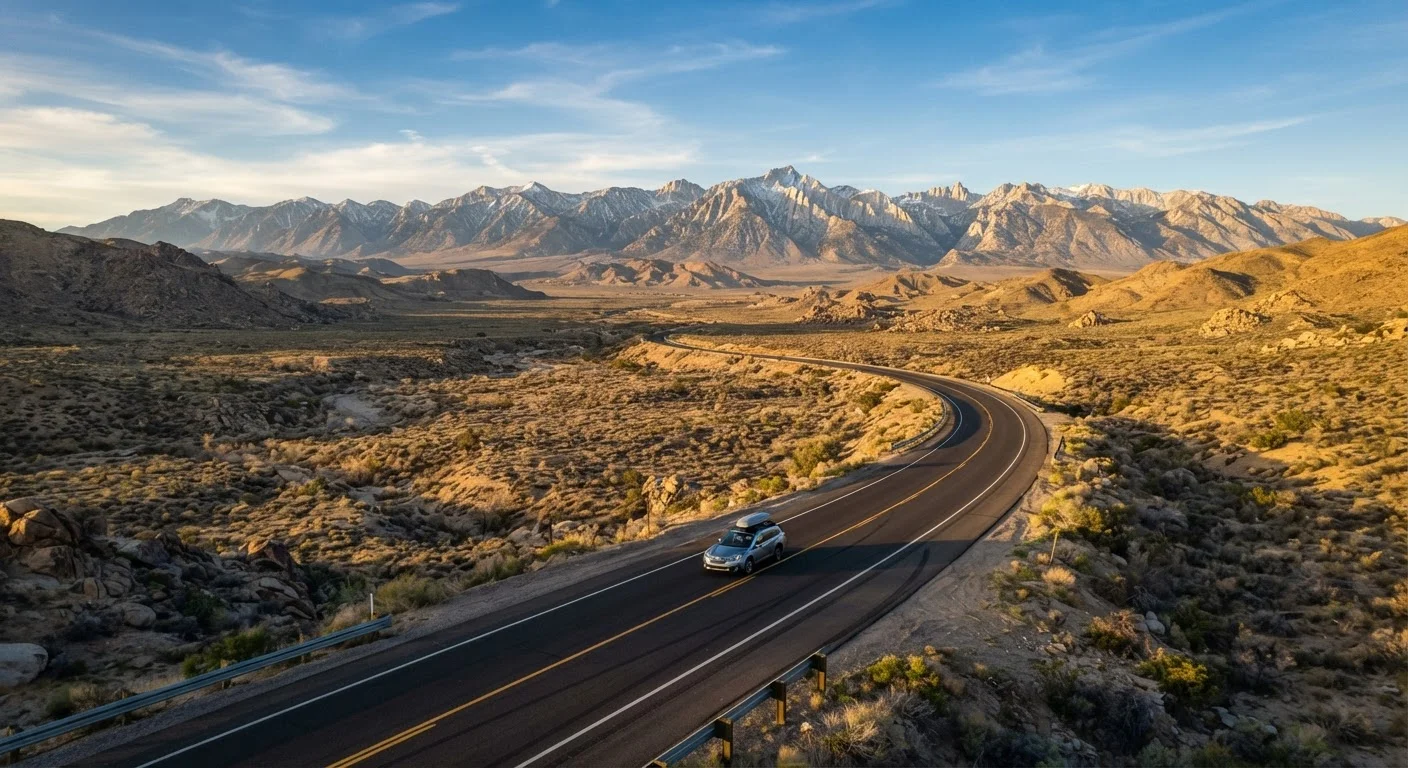
Photo credit: ProximityFinds.com | One-stop Reading Source
From 'you can wing it without reservations' to 'driving is always cheaper than flying' — common road trip beliefs examined against how things actually work.
Key Takeaways
- Driving is not always cheaper than flying once fuel, lodging, and time costs are factored in.
- Winging it without reservations works in some seasons but can leave you stranded in peak travel periods.
- Daily driving distances are consistently underestimated, leading to exhausted drivers and missed stops.
- Newer vehicles still need a pre-trip inspection - routine wear doesn't care how old your car is.
- National parks and scenic routes require permits or timed entries that must be booked well in advance.
Why Road Trip Myths Are Worth Debunking
Road trips occupy a special place in the American imagination - freedom, discovery, and the open highway. But that romantic image comes loaded with assumptions, and some of those assumptions can seriously derail a trip. From cost miscalculations to dangerous overconfidence behind the wheel, widespread road trip myths cause real problems for real travelers every year.
This isn't about dampening the excitement. It's about swapping fuzzy beliefs for clear-eyed planning so the adventure actually delivers. Check out our travel planning hub for broader trip-organizing guidance.
Myth
Driving is almost always cheaper than flying, especially for families.
Fact
Once you account for fuel, lodging en route, meals, and wear on the vehicle, driving often costs more than a discounted flight - especially for long distances.
The math looks simple: gas costs less than a plane ticket. But a cross-country drive typically takes two or three days each way, adding two to four nights of lodging and multiple restaurant meals. Factor in the IRS standard mileage rate as a proxy for true vehicle operating costs (fuel, depreciation, tires, oil), and long drives become surprisingly expensive. Our full travel budget breakdown shows where money actually goes on a typical trip. Driving wins on mid-range distances where you can do the route in one day and skip overnight stops.
Myth
You can always wing it - reservations are for people who don't like spontaneity.
Fact
In peak season and at popular destinations, accommodation and campsite availability can run out weeks in advance, leaving last-minute travelers with limited or no options.
Spontaneity has real value on a road trip, but it works best during shoulder seasons and in less-trafficked areas. Summer weekends near national parks, coastal towns, and mountain resorts routinely sell out lodging for miles around. Campgrounds in places like Yosemite or the Outer Banks often require reservations months ahead. The practical compromise: book your first and last nights, leave a few middle nights flexible, and check availability each morning for that evening's stop.
Myth
You can easily cover 600-700 miles a day and still enjoy the trip.
Fact
Safe, comfortable driving typically maxes out around 300-400 miles per day; pushing beyond that leads to fatigue, rushed stops, and increased accident risk.
On paper, 700 miles at highway speeds looks like nine or ten hours. In reality, fuel stops, meals, traffic, construction, and a genuine look around at your destination add two to four hours more. Driver fatigue sets in well before that endpoint. The distracted driving myths article outlines how cognitive impairment from fatigue parallels distraction - a risk many road-trippers underestimate. Build itineraries around realistic mileage to leave room for the stops that make road trips memorable.
Myth
A newer car doesn't need any pre-trip check - it's practically new.
Fact
Age matters less than recent usage patterns; tires, fluids, and brakes should be inspected before any long drive regardless of the vehicle's age.
Tire pressure drops with temperature changes, brake pads wear with stop-and-go city driving, and coolant levels shift with seasonal use. A two-year-old car driven mostly for short urban errands may have tires at the wrong pressure and oil due for a change. A basic pre-trip inspection - tires, oil, coolant, wipers, lights - takes less than an hour at a mechanic's and can prevent a breakdown in a remote stretch of highway where roadside assistance response times can run three hours or longer.
Myth
National parks and scenic byways are first-come, first-served - no advance planning needed.
Fact
Many of the most visited parks now require timed-entry permits or parking reservations that must be secured weeks or months in advance.
Following overcrowding concerns, a growing number of national parks - including Glacier, Arches, and Rocky Mountain - have introduced timed-entry reservation systems during peak periods. Arriving without one can mean being turned away at the gate. Popular scenic byways like the Going-to-the-Sun Road in Glacier have vehicle size restrictions and seasonal closures. Always check the official National Park Service website for the specific park you plan to visit before your trip; conditions and reservation requirements change seasonally.
[important_callout]The Costs and Logistics People Get Wrong
Road trips involve more moving financial parts than most people anticipate. Fuel is obvious, but lodging, meals at highway restaurants, park entrance fees, and unexpected repairs add up fast. Our road trip budgeting breakdown walks through what Americans actually spend across each category.
300-400 mi
Recommended daily driving distance
Travel safety researchers and driving organizations broadly suggest this range as a sustainable daily limit for avoiding fatigue-related risk.
~$0.67/mile
IRS standard mileage rate (2024)
The IRS rate approximates the full operating cost of driving a personal vehicle, including fuel, depreciation, and maintenance.
Months ahead
Typical advance booking window for peak-season park permits
Parks like Arches and Glacier open timed-entry reservations months before peak season; same-day access is often unavailable during busy periods.
Planning a route through the Southwest? Our Southwest road trip overview covers permits, distances, and timing for first-timers. And if you've ever struggled to keep an itinerary on track, this piece on itinerary planning explains the most common structural mistakes.
Don't Forget Hidden Road Trip Costs
Tolls, parking fees, national park entrance fees, and roadside emergency costs are easy to overlook in initial budgeting. On routes like the Northeast corridor or parts of Florida, tolls alone can add $30-$60 each way. Build a buffer of at least 15-20% above your estimated costs to avoid budget stress mid-trip.
Traveling with children adds another layer of planning complexity - see practical family road trip principles for strategies that actually hold up on long drives. For solo travelers, this honest look at solo driving covers the real trade-offs before you commit.

Author
Travel Editorial Team
Travel Editorial Team is the collective byline for our editorial team and contributor network. Articles published under this byline or an editorial pen name are researched, written, and reviewed according to our editorial standards for clarity, consistency, and independence before publication.
View all articles →