
The Hidden Costs That Derail Travel Budgets
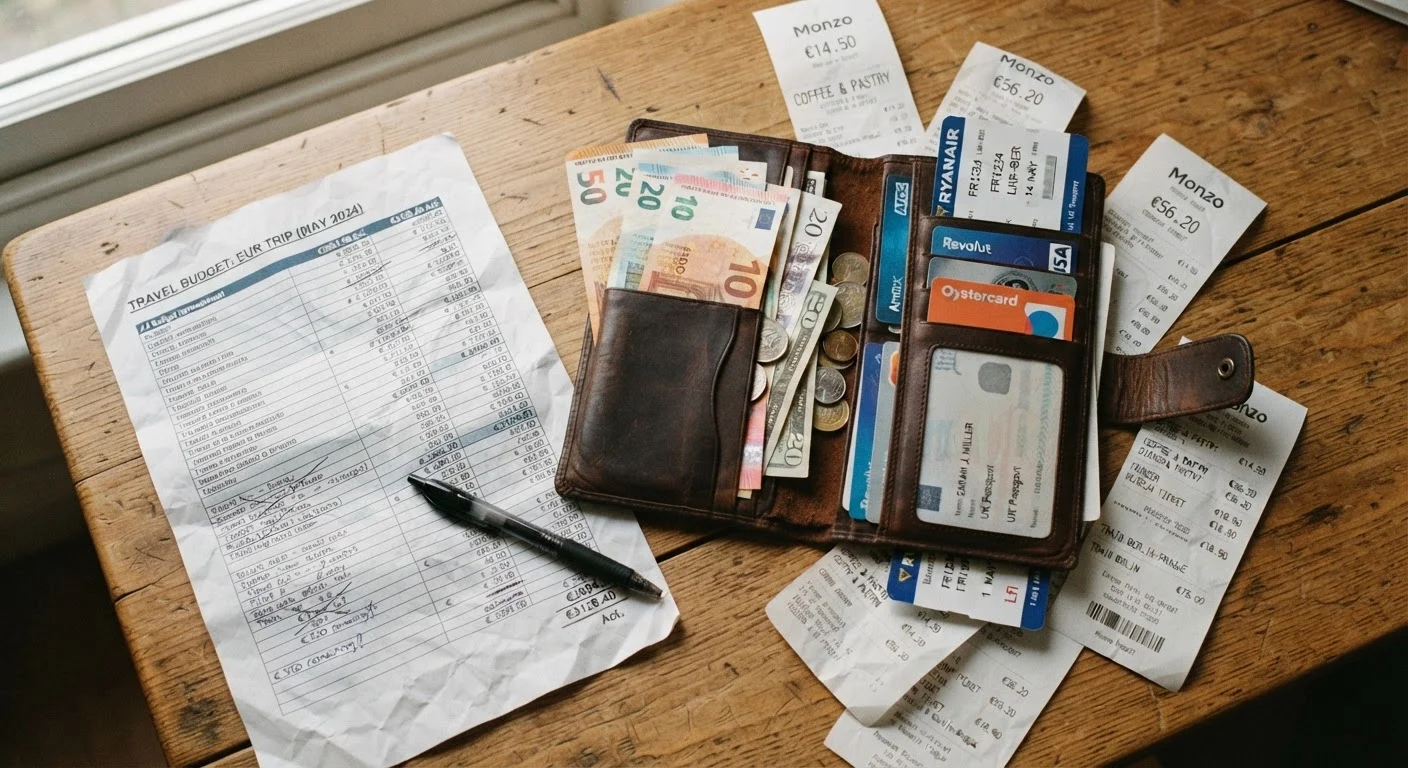
Photo credit: ProximityFinds.com | One-stop Reading Source
Resort fees, foreign transaction charges, airport transfers—these overlooked expenses add up fast. Know what to account for before you finalize a budget.
Key Takeaways
- Resort fees, baggage charges, and airport transfers are among the most commonly missed travel expenses.
- Foreign transaction fees and poor ATM exchange rates can quietly drain your spending money abroad.
- Building a 10-15% buffer into your travel budget helps absorb unexpected costs without panic.
- Researching destination-specific charges before you book prevents sticker shock on arrival.
- Knowing what to account for in advance is the single most effective way to reduce trip-planning stress.
The Budget Looks Great - Until It Doesn't
You've nailed the flight deal, locked in a hotel rate you're proud of, and mapped out a rough daily spend. Then the trip happens - and somehow you return home with a credit card bill that doesn't match anything you planned for. Sound familiar?
Hidden travel costs aren't rare exceptions. They're a predictable pattern. The good news is that once you know what to look for, they stop being surprises. This list covers the charges that routinely derail even carefully planned budgets - and what to do about each one. For a fuller picture of where travel money actually goes, see The Travel Budget Breakdown.
Resort Fees and Destination Charges
Many hotels - particularly in Las Vegas, Miami, and popular resort markets - add a mandatory daily "resort fee" or "destination charge" that doesn't appear in the quoted room rate. These fees can range from $20 to over $50 per night and typically cover amenities like pool access, Wi-Fi, or fitness centers, whether you use them or not.
Always search for the hotel's total nightly rate, including taxes and fees, before comparing options. Some booking platforms display an "all-in" price view; use it. When in doubt, check the hotel's own cancellation policy page, where mandatory fees are usually disclosed.
Resort fees can add $50 or more per night to a room rate that looked affordable at first glance.
Airline Baggage and Seat Selection Fees
Base airfares - especially on budget carriers - often exclude checked luggage, carry-on bags above a personal item size, and seat assignments. Paying for these at the airport or last-minute online frequently costs more than booking them upfront. A round-trip with one checked bag per person can easily add $60-$120 to your total flight cost.
Review the airline's fee schedule when you book, not after. Decide early whether a carry-on-only strategy works for your trip length. Choosing between carry-on and checked luggage walks through the real trade-offs beyond just the fees.
Baggage and seat fees are predictable - but only if you look them up at booking, not at the gate.
Airport Transfers and Ground Transportation
The cost of getting from the airport to your hotel and back is one of the most consistently underestimated line items in travel budgets. In many cities, a taxi or rideshare from the international airport can run $40-$80 each way. Multiply that by two travelers and a round trip, and you're looking at a significant unplanned expense.
Research your options before you arrive: many destinations have dedicated airport buses, metro connections, or shared shuttle services that cost a fraction of the price. Factor ground transportation into your budget as a separate line item, not a vague afterthought.
Airport transfers routinely cost $80-$160 round-trip - budget for them specifically, not as a footnote.
Foreign Transaction Fees and ATM Charges
When you use a standard U.S. debit or credit card abroad, your bank may charge a foreign transaction fee of 1-3% on every purchase. Withdraw cash from an international ATM and you may face both a fee from your bank and a fee from the local ATM operator. These small charges accumulate fast on a multi-week trip.
Before departure, contact your bank to understand your card's international fee structure. Some checking accounts and travel-focused credit cards waive foreign transaction fees entirely - a detail worth knowing well before you arrive. This connects to broader budgeting basics that many travelers overlook when preparing for international trips.
Foreign transaction and ATM fees can quietly consume 3-5% of every dollar you spend abroad.
Travel Insurance and Health Coverage Gaps
Many Americans assume their domestic health insurance covers them while traveling internationally - it often doesn't, or coverage is severely limited. Emergency medical evacuation alone can cost tens of thousands of dollars without coverage. Travel insurance policies vary widely in what they include, so understanding what you're buying (or skipping) is important before departure.
This is a category where general research can inform your thinking, but your specific coverage needs depend on your health situation, destination, and trip type. Review your existing policies first, then evaluate options with an independent insurance professional if needed.
Emergency medical costs abroad without coverage can be financially devastating - understand your gaps before you fly.
Tourist Taxes and Entry Fees
A growing number of destinations - from European cities to national parks to island nations - charge visitor taxes, environmental levies, or entry fees that aren't included in hotel or tour prices. Some are collected at accommodation check-out; others are paid at the border or online in advance. Amounts range from a few dollars per night to over $100 for certain conservation-focused destinations.
Check the official tourism authority or government website for your destination before you finalize your budget. These fees are rarely secret, but travelers who don't look for them are regularly caught off guard at checkout. Treating these as part of your spending categories from the start makes them much easier to absorb.
Tourist taxes and entry fees are non-negotiable charges - always verify them from official sources before you travel.
Build the Buffer Before You Leave Home
No matter how thorough your pre-trip research, some costs will surface in the moment. A flat tire on a rental car, a checked bag you didn't expect to need, a tourist tax at checkout - these aren't failures of planning, they're just travel. The most effective buffer is a dedicated contingency line of 10-15% added on top of your total estimated spend.
Build a Simple Hidden-Costs Checklist
Before finalizing any travel budget, run through a short checklist: resort fees, baggage charges, airport transfers, foreign banking fees, travel insurance, and destination taxes. Assign a rough dollar estimate to each category. This five-minute exercise consistently reveals $100-$300 in costs that would otherwise surface mid-trip as unwelcome surprises.
If you travel internationally with any regularity, your banking choices matter more than most people realize. Why your debit card could cost you overseas breaks down how foreign fees and blocked cards catch travelers off guard - and what to ask your bank before you fly.
Planning a road trip instead? The cost categories are different but the hidden-cost problem is just as real. Road trip budgeting for fuel, food, and lodging gives a realistic breakdown. And if you want to stretch your overall travel budget further, flexible travel dates can meaningfully shift what a trip costs before you even book.

Author
Travel Editorial Team
Travel Editorial Team is the collective byline for our editorial team and contributor network. Articles published under this byline or an editorial pen name are researched, written, and reviewed according to our editorial standards for clarity, consistency, and independence before publication.
View all articles →