
Solo Travel vs. Guided Tours: Weighing Independence Against Structure
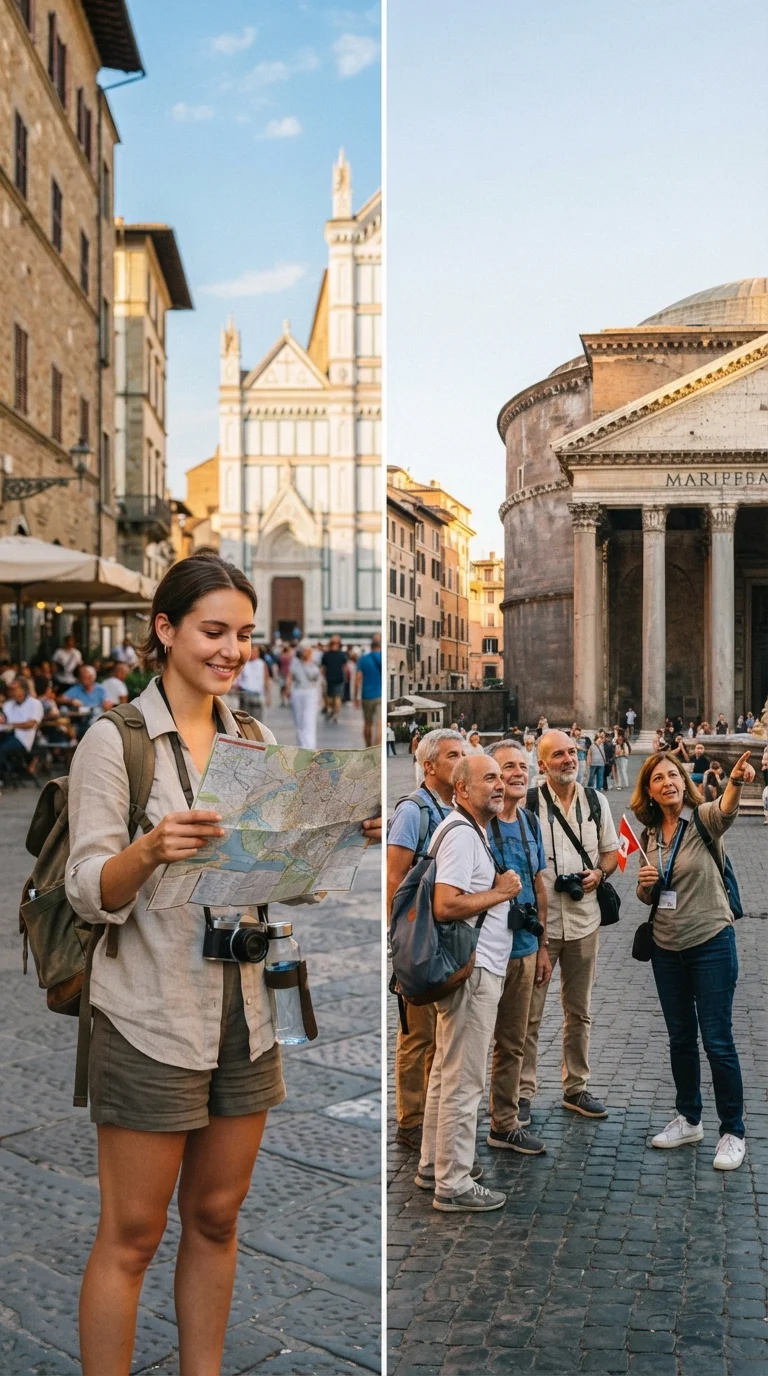
Photo credit: ProximityFinds.com | One-stop Reading Source
In this article
Going it alone or joining a guided tour each come with distinct advantages and real trade-offs. Here's how to think through which fits your situation.
Key Takeaways
- Solo travel offers maximum flexibility but demands more advance planning and self-reliance.
- Guided tours reduce logistical stress and often include access to expert local knowledge.
- Your destination, experience level, and trip goals are the most important factors in choosing.
- Budget considerations differ significantly between the two styles and deserve careful comparison.
- Many travelers combine both approaches within a single trip for a balanced experience.
Complete flexibility over schedule and pace
You can spend three hours at a single museum or skip it entirely without negotiation. This freedom is especially valuable when your interests are niche or when travel days don't go to plan.
Often lower overall cost with smart planning
Solo travelers can optimize for budget at every stage - choosing affordable accommodation, cooking occasionally, and traveling in shoulder seasons without group scheduling constraints.
Deeper local immersion and authentic encounters
Without a group or a branded tour bus, solo travelers tend to interact more naturally with locals and stumble into unscripted moments that rarely appear in itineraries.
Personal growth and confidence-building
Navigating an unfamiliar city alone - even when it's briefly uncomfortable - builds real-world skills and a sense of self-reliance that group travel rarely replicates.
Higher upfront sticker price than DIY planning
A guided tour packages many costs into one number, which can look expensive until you itemize what you'd spend independently on the same transport, lodging, and entry fees.
Fixed schedule with limited spontaneity
Tour itineraries are designed for groups, meaning departure times, meal stops, and site visits are set in advance. If your interests diverge from the group's, there's limited recourse.
Variable group dynamics can affect enjoyment
You don't choose your fellow tour participants. Personality mismatches or pacing differences within a group can create friction that affects the overall experience.
Less authentic local connection in some cases
Heavily packaged tours can insulate travelers from genuine local interaction, routing groups through tourist-optimized experiences that differ from day-to-day life at the destination.
Why This Decision Actually Matters
Choosing between solo travel and a guided tour shapes almost every part of your trip - your budget, your daily pace, how much you'll see, and how exhausted or energized you'll feel at the end. It's not just a style preference; it's a structural decision with real consequences. If you're still figuring out the basics of trip building, our first-timer's complete walkthrough is a useful starting point before weighing this choice.
The good news: there's no wrong answer. Both approaches have delivered incredible experiences for millions of American travelers. The goal is matching the format to your situation - not chasing a travel identity.
The Case for Going Solo
Solo travel puts you entirely in the driver's seat. You pick the destination, set the daily rhythm, linger in a café longer than any tour schedule would allow, and pivot plans without consulting anyone. For many travelers, that autonomy is the whole point.
Complete flexibility over schedule and pace
You can spend three hours at a single museum or skip it entirely without negotiation. This freedom is especially valuable when your interests are niche or when travel days don't go to plan.
Often lower overall cost with smart planning
Solo travelers can optimize for budget at every stage - choosing affordable accommodation, cooking occasionally, and traveling in shoulder seasons without group scheduling constraints.
Deeper local immersion and authentic encounters
Without a group or a branded tour bus, solo travelers tend to interact more naturally with locals and stumble into unscripted moments that rarely appear in itineraries.
Personal growth and confidence-building
Navigating an unfamiliar city alone - even when it's briefly uncomfortable - builds real-world skills and a sense of self-reliance that group travel rarely replicates.
Solo international trips in particular carry a reputation for being intimidating, but they're also deeply rewarding when you're prepared. Our companion piece on solo international travel trade-offs gives an honest breakdown of what going abroad alone actually involves. Similarly, if a road trip is on your radar, the realities of driving solo across the US are worth understanding before you commit.
The Case for Guided Tours
A well-run guided tour isn't a compromise - it's a genuinely different product that excels in specific situations. When you're heading somewhere with complex logistics, unfamiliar language barriers, or limited time, having an expert handle the moving parts can make the difference between a stressful trip and a memorable one.
Higher upfront sticker price than DIY planning
A guided tour packages many costs into one number, which can look expensive until you itemize what you'd spend independently on the same transport, lodging, and entry fees.
Fixed schedule with limited spontaneity
Tour itineraries are designed for groups, meaning departure times, meal stops, and site visits are set in advance. If your interests diverge from the group's, there's limited recourse.
Variable group dynamics can affect enjoyment
You don't choose your fellow tour participants. Personality mismatches or pacing differences within a group can create friction that affects the overall experience.
Less authentic local connection in some cases
Heavily packaged tours can insulate travelers from genuine local interaction, routing groups through tourist-optimized experiences that differ from day-to-day life at the destination.
Tour quality varies widely, so it's worth researching what a specific tour actually includes versus what you'd need to manage independently. Think about pacing too - if over-scheduling is already a concern, check our guide on building a travel itinerary that leaves room to breathe to understand how structured days can be designed well or poorly.
72%
Solo travelers who cite flexibility as primary motivation
According to survey data published by the Adventure Travel Trade Association, the majority of solo travelers rank personal freedom as the leading reason they travel alone.
30-40%
Single-supplement premium on guided tours
Many tour operators charge solo travelers a single-supplement fee to cover the cost of a private room, which can meaningfully increase the total price compared to traveling with a partner.
Comparing Costs: What to Actually Budget For
Guided tours tend to have a higher upfront price, but that number often bundles accommodation, transportation, entry fees, and some meals - costs you'd pay separately as a solo traveler. Solo travel can be cheaper overall, especially if you're flexible about timing and accommodation type, but the planning overhead is real work that takes time and energy.
One often-overlooked variable: packing strategy affects costs too. Whether you're joining a tour with checked luggage allowances or bouncing between hostels with a carry-on, getting that choice right matters. Our carry-on vs. checked luggage breakdown covers the trade-offs across different travel styles.
Hybrid Options Are Worth Considering
Many travelers find a middle path: booking independent flights and accommodation, then adding a day-tour or local guide for specific activities that benefit from expert access. This approach keeps flexibility intact while filling genuine knowledge gaps. It's worth checking what local guiding options exist at your destination before assuming you must choose one format for the entire trip.
Making the Call: Questions to Ask Yourself
Before booking either option, run through a short self-assessment. How comfortable are you navigating unfamiliar systems - transit, language, local customs? How much time do you have for pre-trip research? Is this a bucket-list destination where local expertise adds real value, or a straightforward trip where flexibility matters more?
If you're traveling with others and neither fully solo nor a packaged tour feels right, a middle path exists. Organizing a group trip covers a hybrid approach where small groups share planning responsibilities without surrendering full independence to a tour operator. Many experienced travelers also mix formats - taking a guided excursion for a technically complex day (a remote archaeological site, a multi-stop island hop) while self-directing the rest of their itinerary.

Author
Travel Editorial Team
Travel Editorial Team is the collective byline for our editorial team and contributor network. Articles published under this byline or an editorial pen name are researched, written, and reviewed according to our editorial standards for clarity, consistency, and independence before publication.
View all articles →