
Your First International Trip: What Americans Often Overlook Before Departure
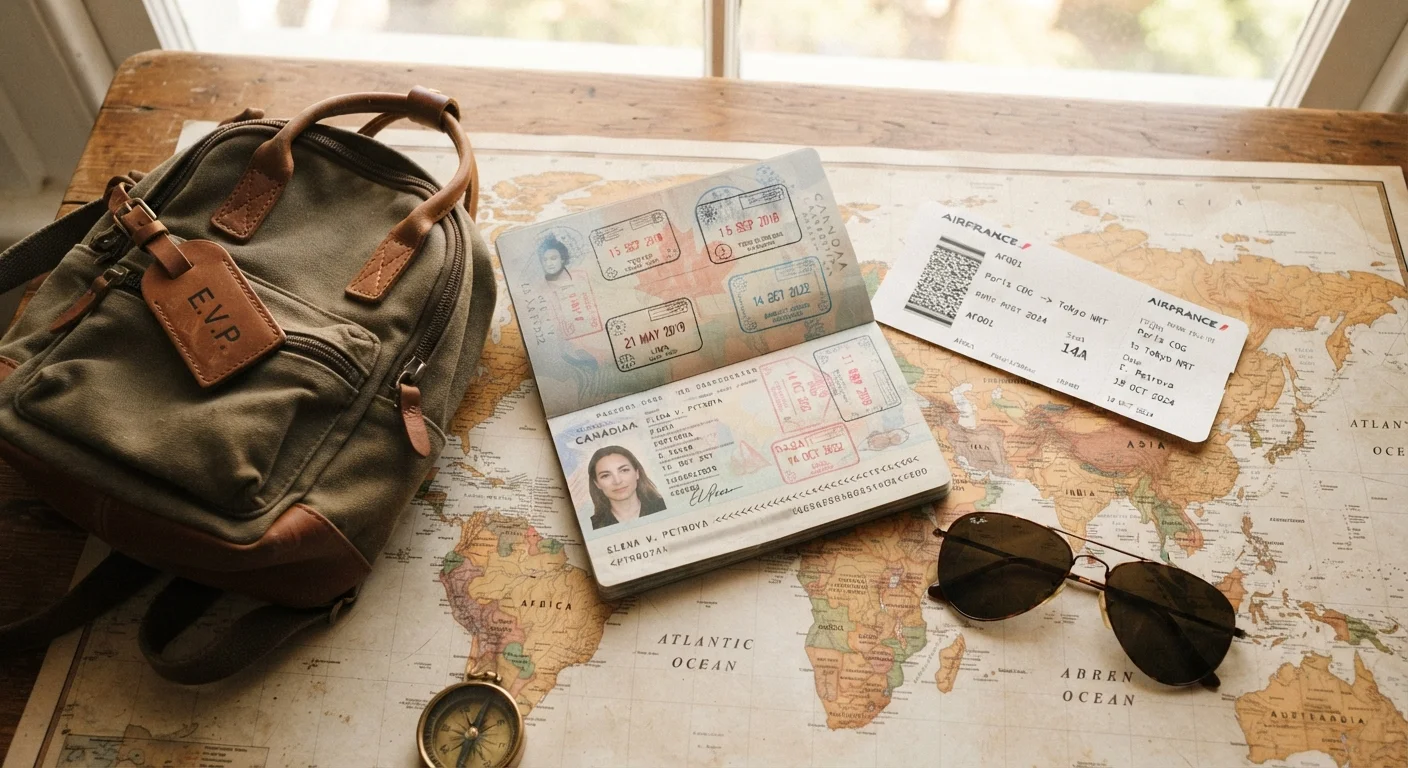
Photo credit: ProximityFinds.com | One-stop Reading Source
In this article
Planning your first trip abroad? Here's what many Americans forget to handle before leaving — from passports to phone plans.
Key Takeaways
- Many countries require your passport to be valid for at least six months beyond your travel dates.
- Standard U.S. health insurance typically does not cover medical care abroad - plan accordingly.
- Notify your bank before leaving to avoid having your cards frozen overseas.
- The State Department's free STEP program can be a lifeline during a genuine emergency abroad.
- International roaming fees can be steep; research your phone plan options well before departure.
- Local customs around tipping, dress, and greetings vary widely and are worth learning in advance.
Passport and Entry Requirements
Your passport is the single most important document you'll carry - and it's also where many first-timers hit their first snag. A common misconception is that a valid passport simply means it hasn't expired. Many countries, however, require your passport to remain valid for at least six months beyond your planned return date. Arrive with less validity than that and you may be denied boarding or turned away at the border.
Visas are the other major piece. Dozens of countries allow Americans to enter without advance visas for short tourism stays, but many others require you to apply weeks or months in advance. Requirements can also change. Always verify current rules through the U.S. State Department's travel website and the destination country's official embassy or consulate - not a travel blog. For a thorough reference on both documents, see our guide to passports, visas, and entry requirements.
Six-month passport validity rule
A requirement enforced by many countries that your passport must remain valid for at least six months after your planned return date - not just your departure date.
Visa
An official authorization issued by a foreign government that permits you to enter their country, often required in advance and specific to the purpose of your visit.
Foreign transaction fee
A charge your bank or credit card issuer adds when you make a purchase in a foreign currency - typically a small percentage of each transaction.
STEP (Smart Traveler Enrollment Program)
A free U.S. State Department service that registers your international trip with a local American embassy or consulate so they can assist you in an emergency.
Travel health insurance
A supplemental insurance policy that covers medical expenses incurred abroad, filling the gap left by most standard U.S. health insurance plans that don't apply overseas.
Local SIM card
A mobile phone SIM card purchased in your destination country that gives you a local phone number and data plan, often at lower cost than international roaming.
Health Prep and Insurance Gaps
Standard U.S. health insurance - including Medicare - typically provides little or no coverage outside American borders. That gap can be costly if you need emergency care abroad. Before departure, contact your insurer to understand exactly what is and isn't covered internationally, then evaluate whether a supplemental travel health insurance policy makes sense for your trip.
Some destinations also recommend or require specific vaccinations. The U.S. Centers for Disease Control and Prevention (CDC) maintains destination-specific health guidance you can review well ahead of your departure. If you take prescription medications, carry enough for your full trip plus extra, and keep them in their original labeled containers to avoid customs complications. For a fuller picture of what to expect if something goes wrong medically, our article on health care abroad is a practical starting point.
This section is general travel information only, not medical advice. Consult a qualified healthcare professional about vaccinations, medications, or health decisions specific to your situation and destination.
Build In a Health Prep Appointment
If your destination has specific health recommendations, schedule a visit with your doctor or a travel medicine clinic at least four to six weeks before departure. Some vaccines require multiple doses or time to become effective. Leaving this until the last week is one of the most common planning mistakes first-timers make.
Money, Cards, and Currency
Many first-time international travelers are surprised to find their card declined at an overseas ATM - not because of insufficient funds, but because their bank flagged unusual activity. Always notify your bank and credit card issuers before you leave, specifying your destination and travel dates. This takes five minutes and prevents a lot of headaches.
Also ask about foreign transaction fees: some cards charge a percentage on every purchase made in a foreign currency. Carrying a modest amount of local currency in cash when you arrive is also wise, since smaller merchants, taxis, and rural areas may not accept cards at all. Avoid airport currency exchange counters when possible, as their exchange rates tend to be significantly less favorable than other options. Check your bank's fee schedule and exchange rate policies before you go - the differences can add up quickly across a multi-week trip.
Don't Rely Solely on Cards Abroad
Even in highly developed international cities, card acceptance can be inconsistent - small restaurants, rural transport, and street markets often operate cash-only. Arriving without any local currency can leave you stranded in situations where you least expect it. A modest amount of local cash on hand from the start is always worth the effort.
Staying Connected Without a Shock Bill
Without any preparation, your phone's default international roaming behavior can generate substantial charges for calls, texts, and data - sometimes hundreds of dollars for a single trip. The good news is that Americans have several realistic options. Many major carriers offer international day passes or add-on plans that cap daily costs. Alternatively, purchasing a local SIM card at your destination can provide affordable data at local rates, though it requires an unlocked phone and means your U.S. number won't receive calls. Travel-specific eSIM plans are a newer option worth exploring for longer trips.
Each approach has real trade-offs. Our dedicated article on roaming vs. local SIM vs. international data plans breaks down when each option makes the most sense. At a minimum, enable airplane mode on arrival and connect only to verified Wi-Fi until you've sorted your plan.
Safety Registrations and Emergency Planning
The U.S. State Department's Smart Traveler Enrollment Program - known as STEP - is free, takes about five minutes, and registers your trip with the nearest American embassy or consulate. If there's a natural disaster, civil unrest, or a family emergency requiring you to be reached, STEP makes it significantly easier for the embassy to locate and assist you. It's one of the most overlooked pre-departure steps for first-timers. Our full explainer on what STEP actually does covers the enrollment process and when it matters most.
Beyond STEP, spend a few minutes building a basic emergency plan: note the address and phone number of the nearest U.S. embassy or consulate, share your full itinerary with someone at home, and make digital and physical copies of your passport and key documents. For a structured approach to this, our article on what a travel emergency plan looks like walks through the essentials.
Cultural Awareness and Practical Logistics
Americans are sometimes caught off guard by how much everyday etiquette varies abroad. Tipping is expected and sometimes mandatory in the U.S. - in many other countries, it's unnecessary or even considered impolite. Dress codes at religious sites are enforced in much of the world, and what counts as a friendly greeting can vary significantly by region. None of this is meant to alarm; it's simply worth spending an hour reading up on local customs before arrival so that cultural differences become moments of curiosity rather than awkward surprises. Our guide on cultural etiquette abroad is a solid place to start.
Finally, don't underestimate practical logistics: international power adapters (outlets vary widely by country), time zone adjustments, and jet lag all deserve a few minutes of advance thought. For a complete pre-departure checklist that ties all of these threads together, see our pre-departure checklist for Americans going abroad. And if you want a truly end-to-end planning framework, our complete international travel roadmap covers every stage from choosing a destination through coming home.
Verify Everything With Official Sources
Entry requirements, visa rules, vaccination recommendations, and travel advisories can change with relatively little notice. Always confirm the most current requirements directly with the U.S. State Department's travel website and your destination country's official government or embassy resources before you depart. No article - including this one - can substitute for real-time official guidance.
Frequently Asked Questions

Author
Travel Editorial Team
Travel Editorial Team is the collective byline for our editorial team and contributor network. Articles published under this byline or an editorial pen name are researched, written, and reviewed according to our editorial standards for clarity, consistency, and independence before publication.
View all articles →