
What Happens During a Home Inspection - From the Seller's Perspective
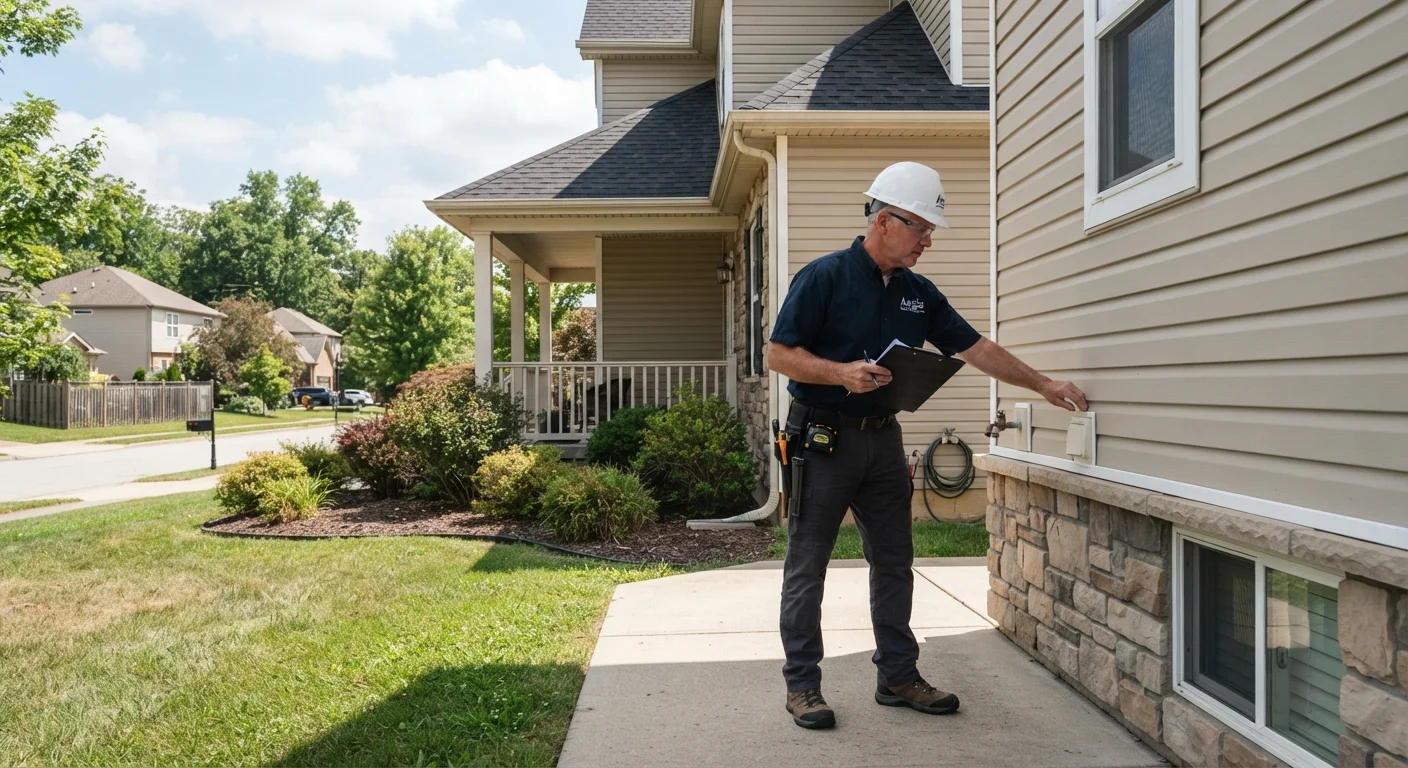
Photo credit: ProximityFinds.com | One-stop Reading Source
In this article
Find out what inspectors examine, how results can affect your deal, and how sellers typically handle inspection repair requests.
Key Takeaways
- The buyer typically hires and pays for the home inspector, but the findings directly affect the seller.
- Inspectors evaluate structural components, major systems, and safety items - not cosmetic imperfections.
- Sellers are not usually present during the inspection but should ensure full access to all areas of the home.
- Inspection findings commonly trigger renegotiation over repairs, price credits, or both.
- Pre-listing inspections are one way sellers can identify and address issues before buyers discover them.
What Sellers Can Expect on Inspection Day
Once a buyer's offer is accepted, the inspection contingency period begins - typically lasting five to ten business days depending on the contract. The buyer schedules a state-licensed inspector, who visits the property for a thorough visual assessment. Sellers are expected to have the home ready and accessible.
Preparation matters. Before the inspector arrives, sellers should:
- Clear access to the attic, basement, crawl space, electrical panel, and water heater
- Replace burned-out lightbulbs (inspectors note non-functional fixtures)
- Ensure all utilities are active, including gas and water
- Remove clutter that blocks access to walls, windows, or mechanical systems
The inspection itself is a visual-only process - the inspector does not tear into walls or excavate. They document what they can see and test, using instruments like moisture meters and outlet testers. Sellers typically receive no real-time feedback; the report goes to the buyer first.
This is part of the broader home-selling process that every seller should understand before listing.
What the Inspector Examines
Licensed inspectors follow established standards of practice - in many states set by organizations such as the American Society of Home Inspectors (ASHI) or the International Association of Certified Home Inspectors (InterNACHI). The inspection covers major systems and structural components, not aesthetic finishes.
Key areas inspected include:
- Roof: Shingles, flashing, gutters, and visible signs of leakage
- Foundation and structure: Visible cracks, settling, water intrusion in basements or crawl spaces
- Electrical: Panel condition, wiring type, grounding, GFCI outlets in wet areas
- Plumbing: Water pressure, pipe material, drainage, water heater age and condition
- HVAC: Heating and cooling system operation, filter condition, ductwork
- Insulation and ventilation: Attic insulation levels, moisture management
- Windows and doors: Operation, sealing, signs of moisture between panes
- Safety items: Smoke detectors, carbon monoxide detectors, stair railings
For a buyer-oriented breakdown of how the report is structured, see Home Inspection 101.
~72%
Buyers who request repairs after inspection
According to the National Association of Realtors, a large majority of purchase contracts involve some form of post-inspection negotiation.
2-4 hrs
Typical duration of a home inspection
Most single-family home inspections are completed within this window, though larger or older homes may require additional time.
~$400
Average cost of a home inspection
Inspection fees vary by region and property size; the buyer typically bears this cost, though some sellers opt for a pre-listing inspection at their own expense.
How Inspection Results Can Affect Your Deal
The inspection report is typically delivered within 24 hours. It can run 30 to 50 pages and will include photographs, condition ratings, and repair recommendations. Sellers don't automatically receive a copy - the buyer may share it, or only summarize the concerns they want addressed.
Inspection findings generally fall into three categories:
- Safety hazards - Items like faulty wiring, gas leaks, or missing railings. Buyers and their lenders take these seriously, and some loan programs (FHA, VA) require certain safety items to be corrected before closing.
- Major deficiencies - Failing HVAC systems, roof damage, or foundation issues. These carry significant cost and tend to drive renegotiation.
- Deferred maintenance - Aging caulk, worn weatherstripping, minor grading issues. These are noted but rarely deal-breakers.
After reviewing the report, buyers typically submit a repair request or ask for a price adjustment. How sellers respond - and how well they've prepared - shapes the outcome. See our guide on negotiating after the inspection report for a deeper look at your options.
“Sellers who understand the inspection process going in - and who've addressed obvious maintenance items beforehand - tend to have far smoother negotiations. Surprises are what derail deals.”
— National Association of Realtors, Industry guidance on the home-selling transaction process
How Sellers Can Get Ahead of Inspection Issues
The most effective thing a seller can do is address obvious problems before the home goes to market. This reduces the chance of surprises that stall or kill a deal. Our home preparation checklist covers the pre-listing steps in detail.
Some sellers commission their own pre-listing inspection. This isn't standard practice in every market, but it has clear advantages: you learn about problems on your own timeline, can get competitive repair quotes, and can disclose issues upfront - which builds buyer confidence.
Consider a Pre-Listing Inspection
Ordering your own inspection before listing puts you in control of the narrative. You can make targeted repairs, gather contractor receipts, and disclose known conditions upfront - all of which can reduce the buyer's leverage during post-inspection negotiations. Talk to your real estate agent about whether this strategy makes sense in your local market.
When a buyer does submit repair requests, sellers have meaningful choices beyond simply agreeing to everything. A credit toward closing costs, a price reduction, or documentation showing recent repairs can all satisfy a buyer's concerns without requiring contractors at the eleventh hour.
If a home improvement project is needed - whether before listing or in response to an inspection - general guidance on repairs and upgrades is available through the home improvement hub.
This article is for informational purposes only and does not constitute legal, financial, or real estate advice. Consult a licensed real estate professional for guidance specific to your transaction and local market.
Frequently Asked Questions

Author
Real Estate Editorial Team
Real Estate Editorial Team is the collective byline for our editorial team and contributor network. Articles published under this byline or an editorial pen name are researched, written, and reviewed according to our editorial standards for clarity, consistency, and independence before publication.
View all articles →