
Home Inspection 101: What the Inspector Examines and How to Read the Report
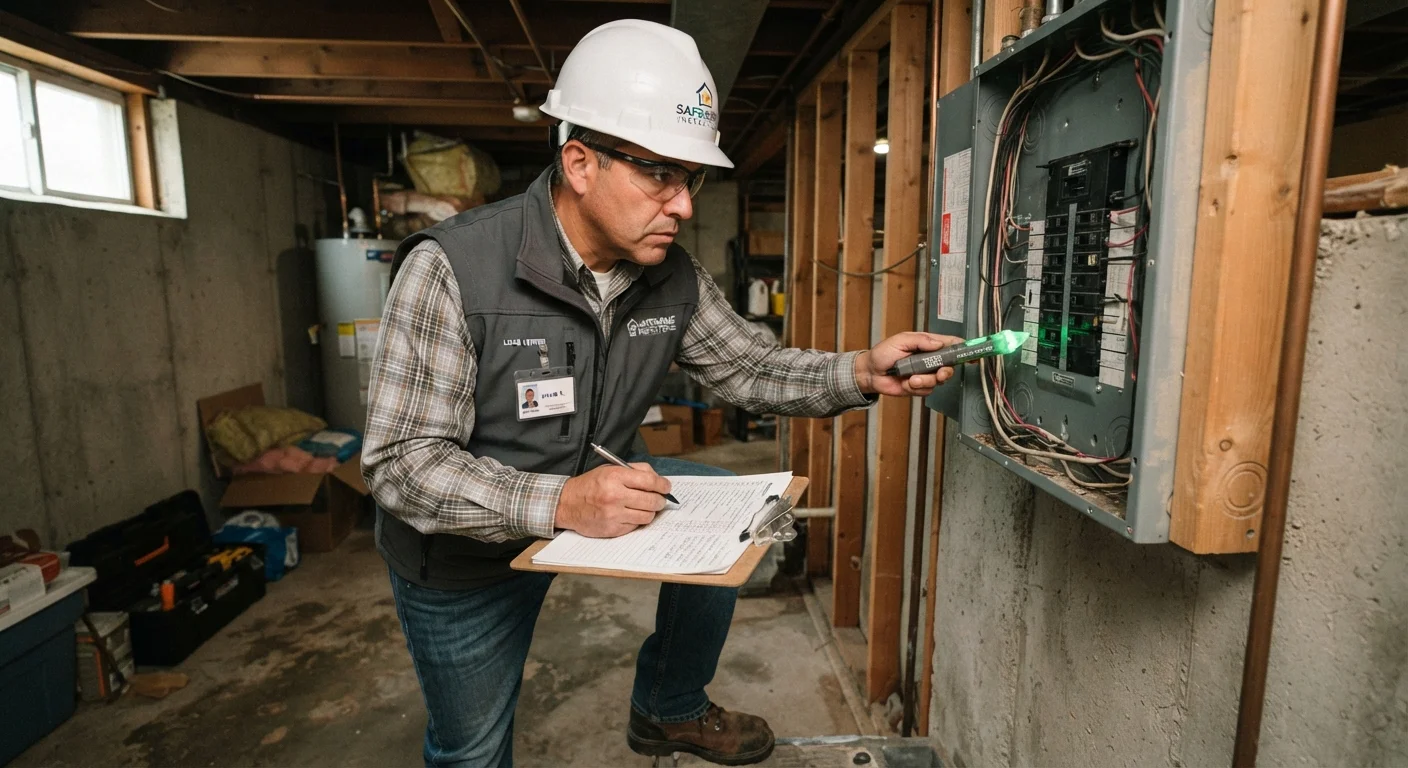
Photo credit: ProximityFinds.com | One-stop Reading Source
In this article
A home inspection report can be 40 pages long. Learn what each section means and which findings deserve the most attention.
Key Takeaways
- A standard home inspection covers structure, roofing, electrical, plumbing, HVAC, and insulation.
- Reports use severity ratings - understanding those ratings is more important than counting defects.
- Safety hazards and major system failures deserve more attention than cosmetic or minor maintenance items.
- Inspectors report visible conditions only; hidden defects and excluded systems require separate specialists.
- Buyers can use inspection findings to negotiate repairs or credits before closing.
- Attending the inspection in person gives buyers valuable context that the written report alone cannot convey.
What a Home Inspector Actually Does
A home inspector is a trained professional who conducts a visual, non-invasive evaluation of a property's condition. The goal is to identify defects, safety concerns, and deferred maintenance that are visible and accessible on inspection day - not to predict future failures or provide a warranty.
In the United States, most inspectors follow standards of practice set by organizations such as the American Society of Home Inspectors (ASHI) or InterNACHI. Licensing requirements vary by state, so it is worth confirming your inspector holds the credentials required in your jurisdiction.
Buyers should always attend the inspection. Walking through the property with the inspector lets you ask questions, understand the severity of findings in real time, and see conditions firsthand - context that a written report cannot fully replace. If you want to understand how inspection findings fit into the broader transaction, the seller's perspective on inspections offers useful parallel context.
Inspection contingency
A clause in a purchase contract that gives the buyer the right to conduct an inspection and, depending on findings, request repairs, renegotiate, or exit the deal within a set timeframe.
Standards of practice
Published guidelines (e.g., ASHI, InterNACHI) that define the minimum scope and procedures a professional home inspector must follow during an evaluation.
GFCI protection
Ground Fault Circuit Interrupter - a safety device required by modern building codes in wet areas (kitchens, bathrooms, garages) that cuts power instantly if a fault is detected, reducing electrocution risk.
Efflorescence
White, chalky mineral deposits left on masonry or concrete surfaces when water moves through the material and evaporates, often indicating recurring moisture infiltration.
Deferred maintenance
Upkeep tasks a property owner has postponed over time. These items accumulate and can accelerate deterioration if left unaddressed.
As-is sale
A transaction in which the seller agrees to make no repairs and the buyer accepts the property in its current condition, typically after reviewing the inspection report.
The Major Systems Inspectors Evaluate
A standard inspection covers the following categories:
- Structural components: Foundation, framing, floors, walls, ceilings, and roof structure. Inspectors look for settling, cracks, moisture intrusion, and compromised framing.
- Roofing: Roof covering materials, flashing, gutters, downspouts, skylights, and chimneys. Condition and estimated remaining lifespan may be noted.
- Electrical system: Main service panel, branch circuits, outlets, switches, and visible wiring. Inspectors flag outdated panels, double-tapped breakers, missing GFCI protection, and open junction boxes.
- Plumbing: Supply lines, drain lines, water heater, fixtures, and visible shutoffs. Inspectors check for leaks, water pressure issues, and signs of prior water damage.
- HVAC: Heating and cooling equipment, ductwork, filters, and thermostat operation. Age and general condition of equipment are typically noted.
- Insulation and ventilation: Attic insulation levels, vapor barriers, and exhaust fan terminations.
- Exterior: Siding, grading, walkways, decks, porches, and drainage patterns that could direct water toward the foundation.
- Interior: Windows, doors, stairways, fireplace, and visible signs of moisture or pest activity.
Most reports are organized by these same categories, making it straightforward to cross-reference findings with the section of the home they describe.
How to Read the Inspection Report
Inspection reports commonly run 30 to 50 pages, including photographs. The length is not itself a cause for alarm - a thorough inspector documents everything, including minor maintenance notes. What matters is the severity classification assigned to each item.
Most reports use one of these rating tiers:
- Safety hazard
- Conditions posing an immediate risk of injury or health harm. Examples: missing stair railings, exposed wiring, inoperative smoke detectors.
- Major defect
- Significant system failures or structural issues requiring prompt professional repair. Examples: failing roof, compromised foundation, non-functional HVAC.
- Moderate defect
- Issues that need attention but are not immediately dangerous or structurally critical. Examples: deteriorated caulking at tub surrounds, aging water heater nearing end of service life.
- Maintenance item
- Routine upkeep tasks the current owner has deferred. Examples: dirty HVAC filters, overdue gutter cleaning, minor caulk gaps at windows.
Report Length Is Not the Story
A 50-page report full of photographs does not necessarily mean the home is in poor condition. Thorough inspectors document minor observations and maintenance items alongside serious defects. Always read through the severity classifications before drawing conclusions from the page count or total number of findings.
Focus your analysis on safety hazards and major defects first. A report with 80 items may have only 5 that genuinely affect your decision - reading through the severity ratings helps you find them quickly.
Defects That Warrant Serious Attention
Certain findings consistently carry significant financial or safety implications:
- Foundation movement or active cracking: Horizontal cracks in basement walls and stair-step cracks in masonry are more concerning than hairline vertical cracks. A structural engineer evaluation may be warranted.
- Roof at end of service life: Replacing a roof is a major expense. If an inspector notes curling shingles, widespread granule loss, or compromised flashing, get a contractor's cost estimate before closing.
- Electrical hazards: Federal Pacific or Zinsco panels, aluminum branch-circuit wiring, and lack of GFCI protection in wet areas are flagged frequently and should be addressed by a licensed electrician.
- Evidence of water intrusion: Staining, active mold, or efflorescence (white mineral deposits) on basement walls suggest recurring moisture problems, not just a one-time event.
- HVAC at end of service life: A furnace or air handler beyond its typical lifespan means a replacement cost may arrive shortly after closing.
Get Specialist Quotes Before Your Deadline
When an inspector flags a significant defect - roof, foundation, electrical panel - contact a licensed specialist for a written repair estimate before your inspection contingency window closes. That number gives you concrete leverage in negotiations and prevents surprises after closing.
When a defect is serious, do not rely solely on the inspector's report to estimate repair cost. Bring in a licensed specialist - a roofer, electrician, or plumber - for a written quote before your inspection contingency deadline expires. That figure becomes negotiating leverage. See our guide to negotiating after the inspection report for a structured approach.
What Inspectors Do Not Cover
A standard home inspection has defined limits. Common exclusions include:
- Pests and wood-destroying organisms (requires a separate pest inspection)
- Radon gas (requires dedicated radon testing)
- Underground oil tanks or buried structures
- Swimming pools and spas (usually an add-on service)
- Septic systems and private wells
- Asbestos, lead paint, or other environmental hazards
- Anything behind finished walls, beneath slabs, or otherwise inaccessible
If the property has characteristics that suggest any of these concerns - an older home, a rural property with a well, or a region with elevated radon levels - discuss targeted add-on inspections with your real estate agent before scheduling.
Using the Report to Your Advantage
The inspection report is a due diligence document, but it is also a negotiating tool. After reviewing findings with your agent, buyers generally have three options:
- Request specific repairs before closing, completed by licensed contractors.
- Request a price reduction or closing cost credit in lieu of repairs, giving you control over how work is done.
- Accept the property as-is if the findings are manageable and already reflected in the price.
Not every defect is worth negotiating over. Sellers are generally more receptive to addressing safety hazards and major system failures than cosmetic or routine maintenance items. Prioritize accordingly. For more detail on how sellers evaluate repair requests, our article on negotiating after the inspection report walks through the seller's decision-making process.
If you are still in the process of evaluating listings, reading a listing like a seasoned buyer can help you spot potential red flags before you even schedule an inspection.
ASHI Standards of Practice
The American Society of Home Inspectors publishes its full standards of practice online, detailing exactly what a standard inspection must and must not include - useful for setting expectations before you hire an inspector.
EPA Radon Zone Map
The US Environmental Protection Agency provides a publicly available map showing radon potential by county, helping buyers determine whether radon testing is a priority for their specific region.
HUD Homebuying Guide
The US Department of Housing and Urban Development offers free educational resources for homebuyers, including guidance on due diligence steps and working with housing counselors.
Frequently Asked Questions

Author
Real Estate Editorial Team
Real Estate Editorial Team is the collective byline for our editorial team and contributor network. Articles published under this byline or an editorial pen name are researched, written, and reviewed according to our editorial standards for clarity, consistency, and independence before publication.
View all articles →