
What a Lease Agreement Actually Says (And Why Every Clause Matters)
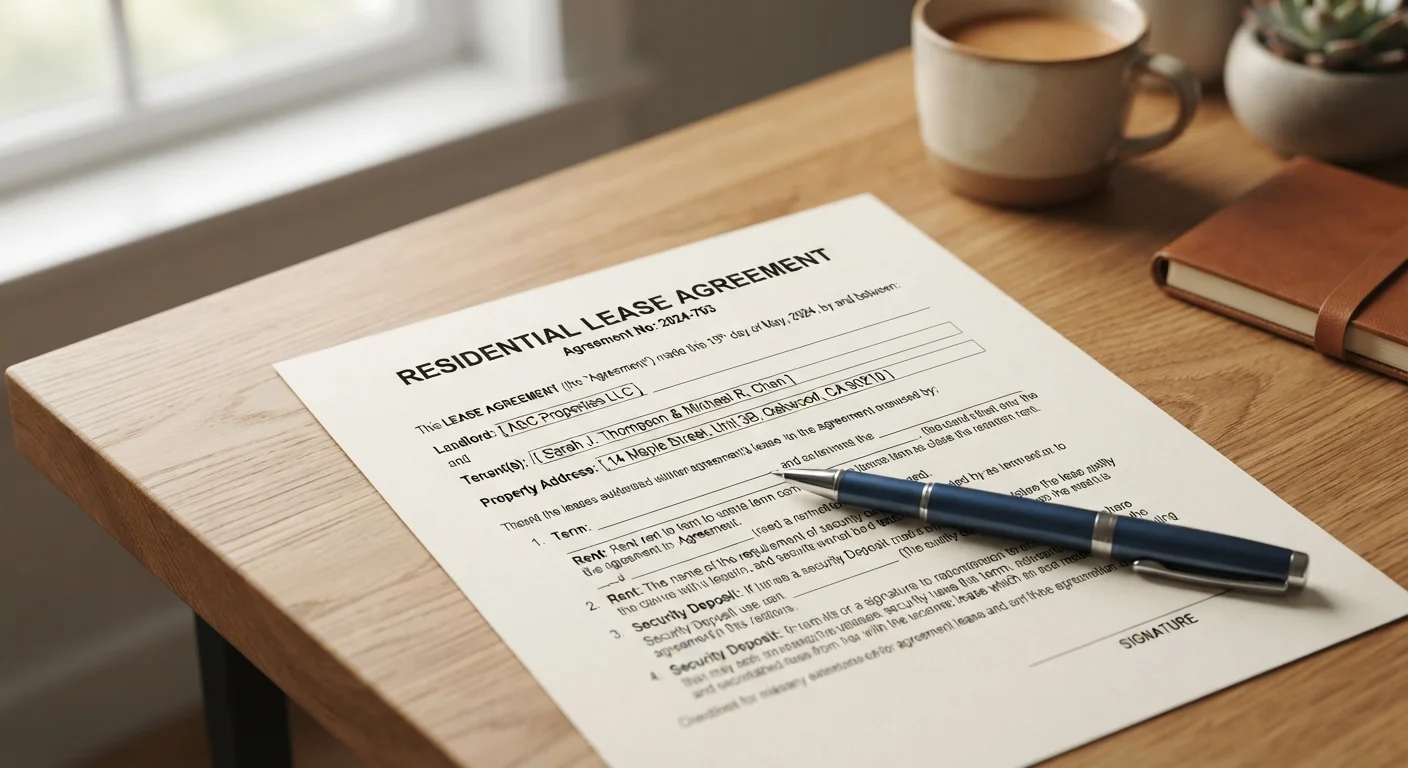
Photo credit: ProximityFinds.com | One-stop Reading Source
In this article
Lease agreements are full of legal language that shapes your rights. Here's what key clauses mean and why you shouldn't sign without reading them.
Key Takeaways
- A lease agreement is legally binding the moment both parties sign it.
- Key clauses cover rent, security deposits, maintenance duties, and entry rights.
- State law sets limits on what landlords can and cannot include in a lease.
- Unsigned verbal agreements generally do not hold up in court.
- Both tenants and landlords benefit from reading every clause before signing.
Why the Fine Print Isn't Optional
Many tenants flip to the last page of a lease, sign, and assume everything will work out fine. Many landlords hand over a template lease without reviewing whether its clauses actually reflect what they intend. Both approaches create avoidable problems.
A lease agreement is not a formality - it is the legal framework governing the entire tenancy. Every clause defines a right, a responsibility, or a remedy. When a dispute arises over noise complaints, property damage, or an early exit, the lease is the first document that gets read. Common myths about renting often persist precisely because people assume verbal understandings carry the same weight as written terms - they almost never do.
State Law Sets the Floor, Not the Ceiling
Landlord-tenant law is primarily governed at the state level, and rules vary significantly. A clause that is enforceable in one state may be void in another. Tenants and landlords should familiarize themselves with their state's specific statutes - particularly around security deposits, notice periods, and habitability standards - before drafting or signing any lease.
The Clauses That Shape a Tenancy Most
While lease agreements vary, certain provisions appear in virtually every residential lease in the US. Understanding what they actually say - not just what you assume they say - is essential.
Rent, Due Dates, and Late Fees
The rent clause states the monthly amount, the due date, acceptable payment methods, and any grace period before a late fee applies. It should also specify the exact late fee - some states cap this amount by law. Read these terms carefully; a landlord who charges a fee not specified in the lease may not be entitled to it.
Security Deposit Terms
This clause defines the deposit amount, how it will be held, and what deductions are permissible at move-out. Legitimate deductions are generally limited to unpaid rent and damage beyond normal wear and tear. If the lease is vague here, that ambiguity tends to favor disputes.
Maintenance and Repair Responsibilities
Most leases divide maintenance duties between landlord and tenant. Landlords are typically responsible for structural repairs, heating, and habitability. Tenants are typically responsible for minor upkeep and promptly reporting problems. The lease should spell this out - and should never require tenants to waive the implied warranty of habitability, which exists by law in most states.
Entry Rights and Notice Requirements
A well-drafted lease will state how much advance notice the landlord must provide before entering - commonly 24 hours for non-emergency access. This clause should align with your state's statute, not contradict it.
Lease Term and Renewal
The term clause sets the start and end date. Some leases automatically renew as month-to-month arrangements at expiration; others require both parties to sign a new agreement. Know which applies to yours. For a full comparison of lease structures, see our guide on month-to-month vs. fixed-term leases.
Document the Unit's Condition Before Moving In
Walk through the rental with the landlord before or on move-in day and photograph every room, noting any existing damage in writing. Both parties should sign and date the condition report. This documentation is your primary protection if there is a security deposit dispute at move-out.
Clauses Tenants Often Overlook
Beyond the major provisions, several secondary clauses frequently catch tenants off guard.
Subletting and Assignment
Most leases prohibit subletting without written landlord approval. Violating this can be grounds for eviction. Our detailed look at subletting a rental unit covers what landlords typically allow and how to protect yourself if you need to sublet.
Early Termination
Some leases include an early termination clause with a specified fee - often one to two months' rent. Without such a clause, breaking a lease early can expose a tenant to liability for the remaining rent owed, subject to the landlord's duty to mitigate by re-renting the unit.
Rules and Restrictions
Pet policies, guest limits, noise rules, and smoking prohibitions are all enforceable lease terms. Violations can lead to lease termination. If you intend to keep a pet or run a home business, verify those activities are explicitly permitted before signing.
~50%
Renters who review leases fully before signing
Surveys by tenant advocacy groups suggest roughly half of renters report not reading their entire lease before signing, leaving many unaware of key obligations.
30-45 days
Typical state deadline to return security deposits
Most US states require landlords to return security deposits within 14 to 45 days of move-out; the exact window varies by state statute.
24 hours
Common landlord notice requirement before entry
A majority of US states set 24 hours as the standard minimum advance notice a landlord must give before entering a rental unit for non-emergency purposes.
How Lease Agreements Fit Into the Broader Property Contract Landscape
Lease agreements exist alongside - but are distinct from - the purchase and closing documents used in home buying and selling. If you are transitioning from renting to owning, you will encounter a very different set of contracts. Our overview of documents signed before closing explains what sellers face, and our glossary of key homebuyer terms covers the terminology buyers encounter.
For tenants and landlords alike, the core principle is the same: no contract protects a party who has not read it. Taking 30 minutes to review a lease before signing - and seeking clarification on any unclear language - is among the most practical steps either party can take.
This article is for general informational purposes only and does not constitute legal advice. Lease laws vary by state and locality. Consult a licensed attorney or qualified real estate professional for guidance specific to your situation.
Frequently Asked Questions

Author
Real Estate Editorial Team
Real Estate Editorial Team is the collective byline for our editorial team and contributor network. Articles published under this byline or an editorial pen name are researched, written, and reviewed according to our editorial standards for clarity, consistency, and independence before publication.
View all articles →