
Your Down Payment Isn't the Only Cost: Closing Costs Explained
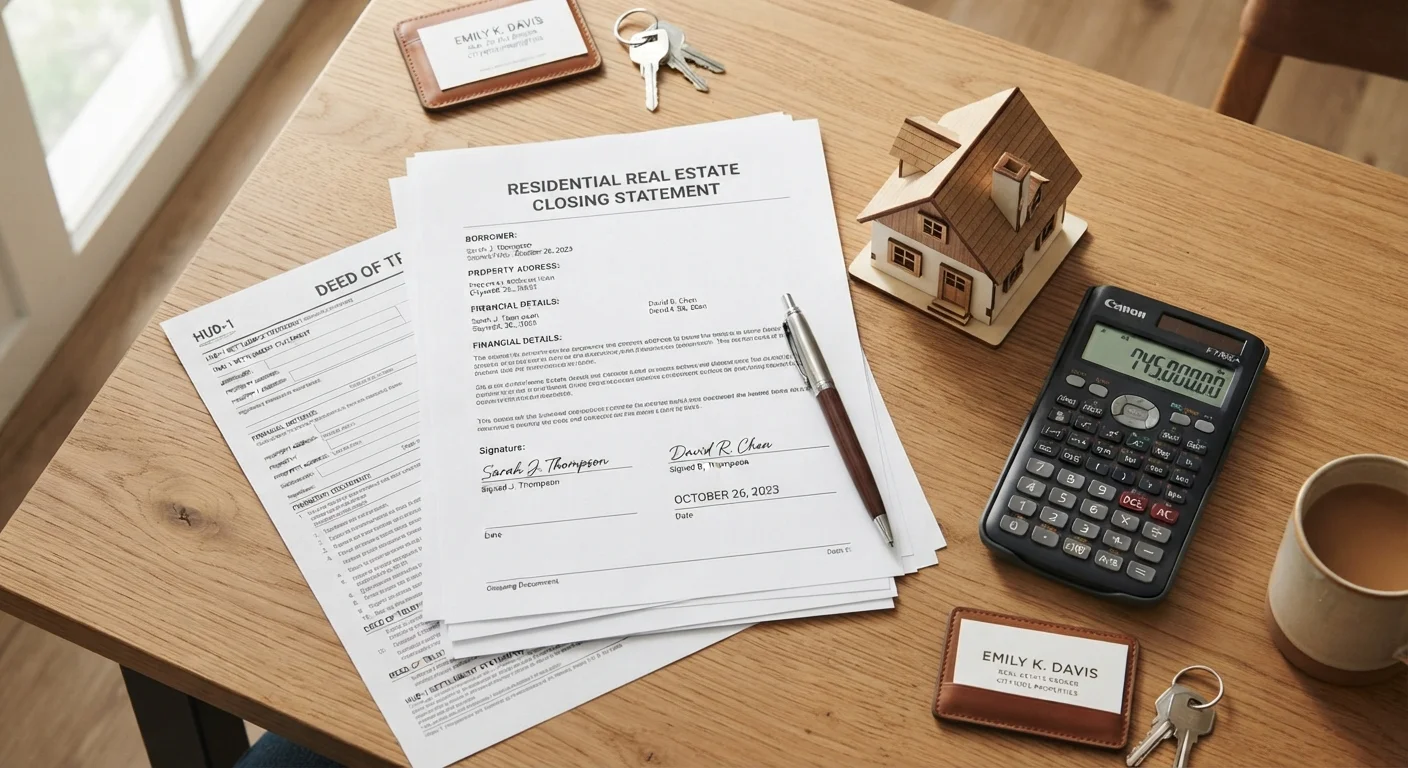
Photo credit: ProximityFinds.com | One-stop Reading Source
In this article
Closing costs can add thousands to your purchase. Learn what fees are typically included, who pays them, and how to prepare.
Key Takeaways
- Closing costs are separate from your down payment and are due at settlement.
- They typically range from 2% to 5% of the total loan amount.
- Costs are split into lender fees, third-party fees, and prepaid items.
- Buyers receive a Loan Estimate within three days of applying for a mortgage.
- Some closing costs can be negotiated or rolled into the loan under certain conditions.
- Sellers may agree to cover a portion of buyer closing costs in a negotiation.
Why Closing Costs Catch Buyers Off Guard
Most buyers spend months saving for a down payment, only to learn days before closing that thousands more are due at the table. Closing costs aren't a surprise tactic - they're a standard part of every real estate transaction - but many buyers don't budget for them early enough.
If you're working through the home-buying process, understanding closing costs before you make an offer puts you in a far stronger financial position. Surprises at settlement can delay closings, strain relationships with sellers, and in some cases cause deals to fall apart entirely.
2%-5%
Typical closing cost range as a share of loan amount
According to the Consumer Financial Protection Bureau, buyers should expect to pay between 2% and 5% of the loan amount in closing costs.
$6,000+
Average closing costs paid by US homebuyers
Industry data from ClosingCorp has historically indicated that average closing costs for US homebuyers, excluding taxes, exceed $6,000 on typical purchase transactions.
3 days
Time lender must deliver your Loan Estimate
Under the TRID rule (TILA-RESPA Integrated Disclosure), lenders are required to provide a Loan Estimate within three business days of receiving a completed mortgage application.
What's Actually Included in Closing Costs
Closing costs fall into three broad categories: lender fees, third-party service fees, and prepaid items.
Lender Fees
These are charges from your mortgage lender for processing and underwriting your loan. Common examples include:
- Loan origination fee: Compensation to the lender for creating your loan, often expressed as a percentage of the loan amount.
- Discount points: Optional prepaid interest you pay upfront to reduce your mortgage rate.
- Application and underwriting fees: Administrative charges for processing and evaluating your loan file.
Third-Party Service Fees
These cover services performed by independent professionals required to complete the transaction:
- Appraisal fee: Paid to a licensed appraiser to confirm the home's market value.
- Title search and title insurance: Protects against claims on the property's ownership history. See key homebuyer terms for a deeper explanation of title insurance.
- Attorney or settlement agent fees: In many states, a real estate attorney must oversee closing.
- Home inspection fee: Typically paid before closing, but often grouped with overall transaction costs.
Prepaid Items and Escrow Deposits
These aren't fees for services - they're funds collected upfront to establish your escrow account and cover the first period of homeownership costs:
- Homeowners insurance premium (first year, often paid in full)
- Prepaid mortgage interest (covering the days between closing and your first payment)
- Property tax deposits held in escrow
How to Read Your Loan Estimate and Closing Disclosure
Federal law requires lenders to give you a Loan Estimate within three business days of receiving your mortgage application. This document breaks down projected closing costs in a standardized format, making it easier to compare offers from different lenders.
At least three business days before closing, you'll receive the Closing Disclosure - the final, binding version of all costs. Compare it line-by-line to your Loan Estimate. Some fees are legally capped in how much they can increase between the two documents; others can change. If you spot discrepancies you don't understand, ask your lender to explain them before signing.
The documents you'll sign before closing include more than just the Closing Disclosure - understanding the full package helps you move through the process with confidence.
Compare Your Loan Estimate to the Closing Disclosure
When you receive your Closing Disclosure, set it side by side with your original Loan Estimate and review each line item. Federal rules limit how much certain fees can increase between the two documents. If an amount looks significantly higher than expected, ask your lender or settlement agent for a written explanation before closing day.
Who Pays What - and What's Negotiable
In a typical U.S. home purchase, the buyer pays the majority of closing costs. However, the split isn't fixed. Sellers carry their own set of transaction expenses - closing costs sellers actually pay can affect their net proceeds significantly.
Buyers can sometimes negotiate for seller concessions - where the seller agrees to credit a portion of the closing costs at settlement. This is more common in slower markets where sellers are motivated. Loan programs such as FHA, VA, and USDA each have their own rules on how much a seller can contribute.
Lender fees are also worth comparing. Getting Loan Estimates from at least two or three lenders can reveal meaningful differences in origination fees and other charges. Some fees, like title services, may be chosen by the buyer, allowing for cost comparison among providers.
Closing Cost Rules Vary by Loan Type
FHA, VA, USDA, and conventional loans each have different rules governing which fees lenders can charge, how much sellers can contribute, and what can be financed into the loan. Always confirm the specific guidelines that apply to your loan program with your lender before finalizing your budget.
Budgeting Realistically for Closing Day
A practical rule of thumb is to budget 2% to 5% of your loan amount for closing costs in addition to your down payment. For buyers weighing the full financial picture, renting vs. buying a home covers why upfront transaction costs matter in long-term affordability calculations.
Start estimating early - ideally before you make an offer - so you're not caught short at settlement. Ask your lender for an informal cost estimate as part of your pre-approval conversation. Once you're under contract, use the Loan Estimate to refine that figure and set aside the funds well in advance of closing day.
This article is for general informational and educational purposes only and does not constitute financial, legal, or real estate advice. Consult a licensed real estate professional or financial adviser for guidance specific to your situation.
Frequently Asked Questions

Author
Real Estate Editorial Team
Real Estate Editorial Team is the collective byline for our editorial team and contributor network. Articles published under this byline or an editorial pen name are researched, written, and reviewed according to our editorial standards for clarity, consistency, and independence before publication.
View all articles →