
Natural Ways to Manage Common Garden Pests
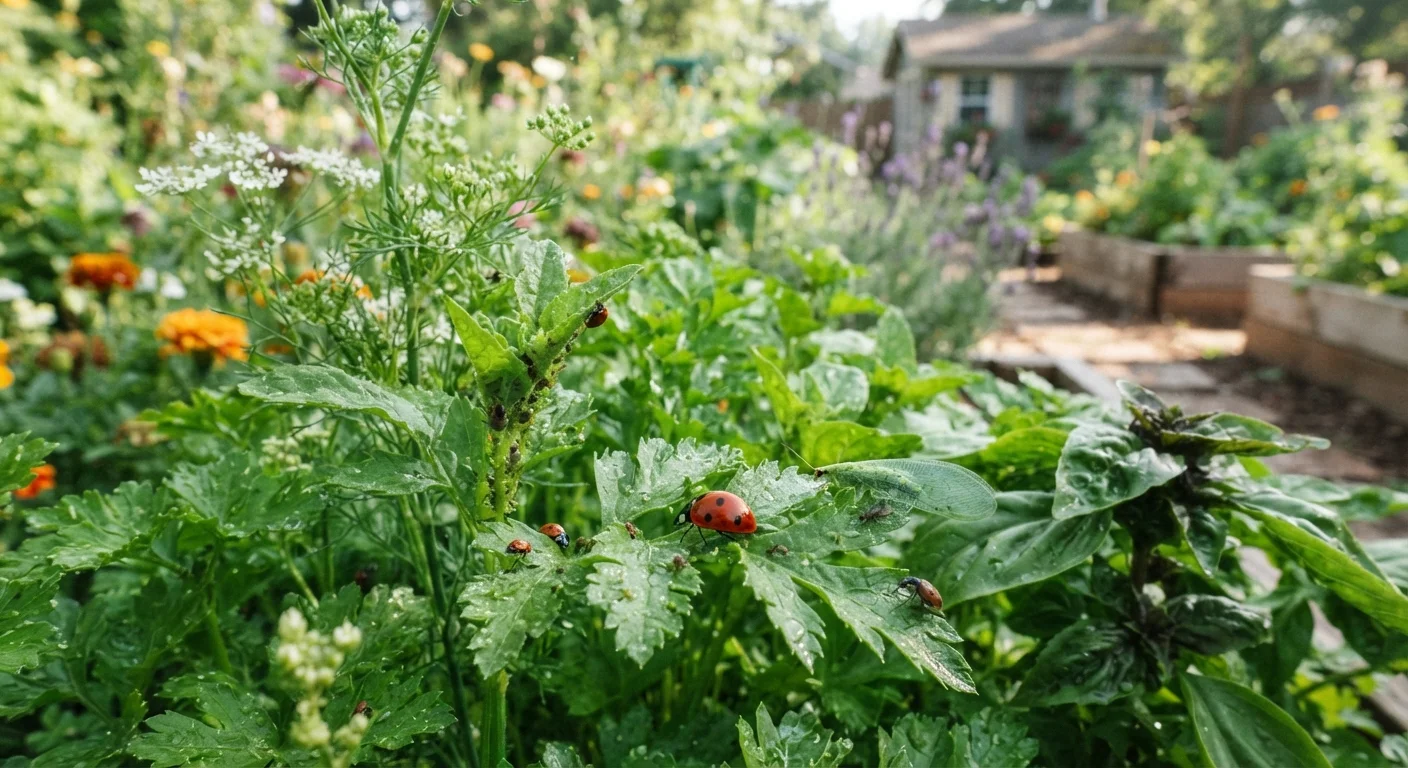
Photo credit: ProximityFinds.com | One-stop Reading Source
Aphids, slugs, and caterpillars don't have to ruin your garden. Explore non-chemical approaches that protect plants without harsh interventions.
Key Takeaways
- Many common garden pests can be managed effectively without synthetic chemical pesticides.
- Encouraging beneficial insects and birds creates a natural pest-control system in your garden.
- Physical barriers and companion planting are simple, low-cost prevention strategies.
- Healthy soil and proper watering reduce plant stress that attracts and worsens pest problems.
- Early identification is critical - catching infestations small keeps them manageable.
Working with nature instead of against it
Garden pests are as old as gardening itself, but the instinct to reach for a chemical spray is a relatively recent habit - and often an unnecessary one. Most home gardens can be kept healthy and productive using approaches that disrupt pest life cycles, invite natural predators, and create conditions where plants are simply harder to damage. The strategies below range from simple daily habits to small design choices that pay dividends for years.
These methods work best together. A garden that combines physical barriers, diverse planting, and healthy soil gives pests multiple reasons to move on. Even if you only adopt two or three of these practices, you're likely to see a meaningful difference - especially if you start early in the season before populations establish.
Identify Before You Act
Misidentifying a pest can lead to removing beneficial insects by mistake. Use your state's cooperative extension service website or a reputable plant identification app to confirm what you're dealing with before intervening. Many apparent 'pest' sightings turn out to be harmless or even helpful insects at a different life stage.
Six natural strategies that actually work
Attract and protect beneficial insects
Not every insect in your garden is a threat. Ladybugs, lacewings, parasitic wasps, and ground beetles are natural predators that feed on aphids, caterpillar eggs, and other damaging pests. Planting nectar-rich flowers - such as dill, fennel, yarrow, and sweet alyssum - near your vegetables gives these allies a reason to stay.
Avoid broad-spectrum sprays, even organic ones like neem oil, during peak pollinator activity, as they can harm beneficial insects alongside the targets. Let a patch of your garden stay slightly wild to provide overwintering habitat for predatory bugs through colder months.
Planting dill and yarrow near vegetables gives beneficial insects a reason to stay.
Use physical barriers strategically
Row covers made from lightweight floating fabric let light and water through while blocking moths, beetles, and flies from reaching plants to lay eggs. Secure the edges with soil or garden staples so pests cannot crawl underneath. Remove covers when plants are flowering and need pollinator access.
Copper tape around container rims or raised-bed edges deters slugs and snails - the metal creates a mild charge that discourages crossing. Collars made from cardboard or plastic cut-off bottles placed around transplant stems at soil level can stop cutworms from severing young plants overnight.
Row covers block egg-laying insects while still allowing light and water to reach plants.
Practice companion planting
Some plants naturally repel or confuse pests through their scent or chemistry. Basil planted near tomatoes is widely reported to deter thrips and aphids, while nasturtiums act as a trap crop, drawing aphids away from more valuable plants. Marigolds have a well-documented reputation for discouraging whiteflies and nematodes in the soil.
Interplanting different species also makes it harder for pests to spread - a monoculture of one crop is a fast-food restaurant for a specialist pest, whereas mixed planting slows their progress. Consult extension service resources from your state's land-grant university for companion planting combinations suited to your region.
Mixed planting slows pest spread by denying specialists easy access to concentrated crops.
Remove pests by hand and trap them
For small to medium infestations, handpicking is surprisingly effective. Check the undersides of leaves in the early morning when caterpillars, beetles, and slugs are most active, and drop them into a bucket of soapy water. Wearing gloves makes this less unpleasant and takes only a few minutes per visit when done consistently.
Slug traps - shallow containers sunk to soil level and filled with a small amount of beer or a yeast-and-water solution - attract and drown slugs overnight. Yellow sticky traps hung near plants intercept fungus gnats, whiteflies, and aphids without releasing anything into the environment.
Checking leaf undersides each morning and handpicking pests consistently prevents small problems from escalating.
Build soil health to strengthen plant resistance
Plants growing in rich, balanced soil develop stronger cell walls and more robust immune responses, making them less attractive and less vulnerable to pest damage. Incorporating compost regularly feeds the complex soil food web that supports overall garden resilience. Starting a home compost system is one of the most impactful investments a gardener can make.
Avoid over-fertilizing with nitrogen-heavy products - lush, soft new growth is highly attractive to aphids and other sucking insects. A steady, moderate nutrient supply produces sturdier, less pest-prone plants than occasional heavy feeding.
Over-fertilizing with nitrogen creates the soft, lush growth that aphids find most attractive.
Adjust watering to reduce pest-friendly conditions
Wet, humid conditions at the soil surface encourage slugs, fungus gnats, and soil-borne pathogens that weaken plants and attract secondary pests. Watering at the base of plants rather than overhead, and doing so in the morning so excess moisture evaporates before nightfall, reduces these conditions significantly. Consistent, targeted watering habits make the entire garden more resilient.
Allow the top inch of soil to dry slightly between waterings for most vegetables, and use mulch to moderate soil temperature and moisture without creating a constantly soggy surface layer. Applied correctly, mulch supports plant health rather than compounding pest problems.
Watering at the base in the morning dramatically reduces slug and fungus gnat pressure.
When Natural Methods Aren't Enough
Severe infestations - particularly of invasive pest species - may require consultation with a local cooperative extension service or certified master gardener. Some situations, such as a serious Japanese beetle infestation across a large area, may benefit from coordinated community approaches. Natural strategies work best as ongoing prevention rather than a one-time cure for established, heavy pest pressure.
If you're also curious about broader gardening practices that sometimes get oversimplified, separating garden fact from fiction is a useful next step - some conventional pest-control advice is less evidence-based than it appears. Container gardeners dealing with pests in a limited-space setup can find targeted guidance through container gardening strategies as well.

Author
Home Editorial Team
Home Editorial Team is the collective byline for our editorial team and contributor network. Articles published under this byline or an editorial pen name are researched, written, and reviewed according to our editorial standards for clarity, consistency, and independence before publication.
View all articles →