
Macronutrients Explained: What Carbs, Protein, and Fat Actually Do
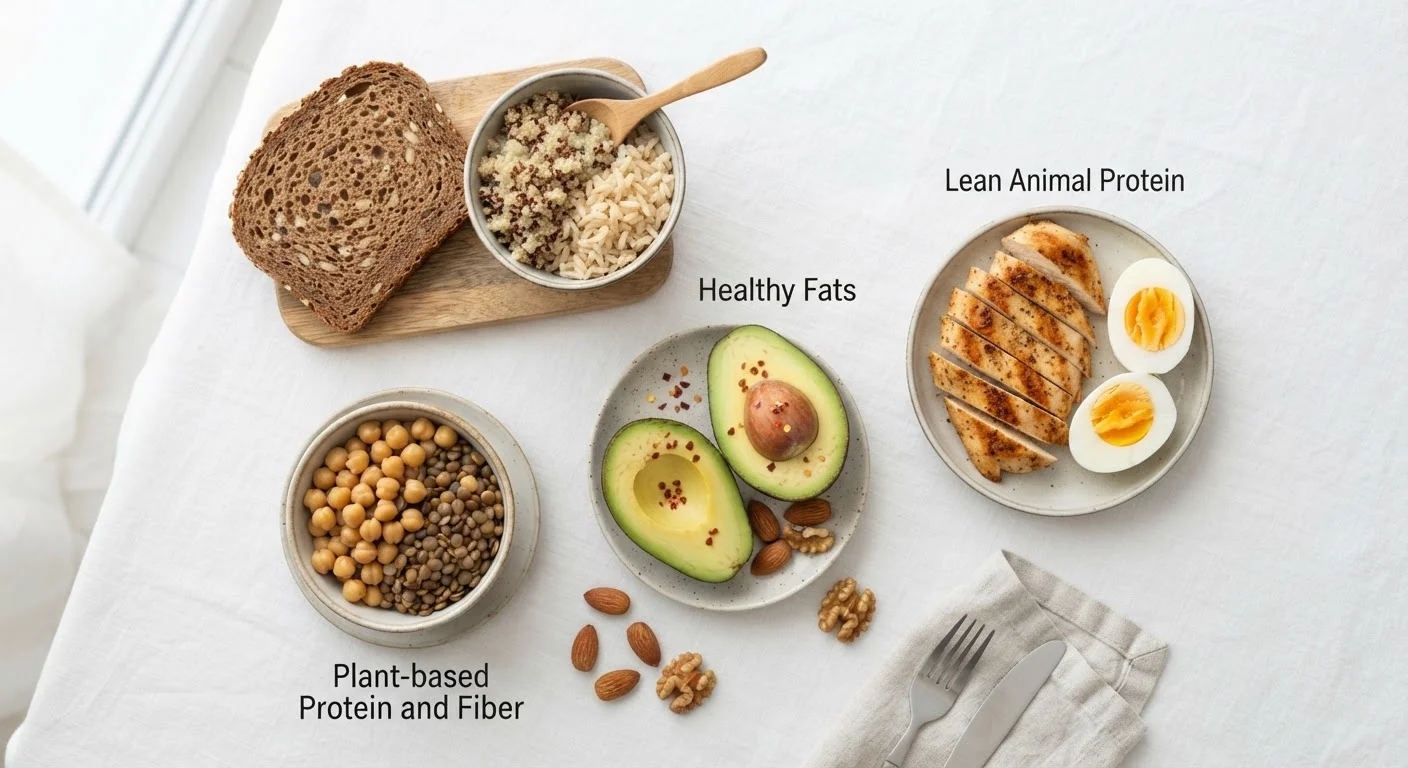
Photo credit: ProximityFinds.com | One-stop Reading Source
In this article
Understand the role of carbohydrates, protein, and fat in your body — without the diet-culture spin. A clear, science-based overview.
Key Takeaways
- Carbohydrates are the body's preferred and most efficient energy source, especially for brain function.
- Protein provides amino acids essential for building, repairing, and regulating body tissues.
- Dietary fat supports hormone production, nutrient absorption, and cell membrane integrity.
- No single macronutrient is inherently harmful - balance and food quality matter most.
- Individual needs vary based on age, activity level, and health status; consult a professional for personal guidance.
Why Macronutrients Matter
Every food you eat can be broken down into its fundamental building blocks, and macronutrients are the most fundamental of all. They do far more than supply calories - they regulate hormones, build tissue, carry signals between cells, and fuel everything from a morning walk to complex cognitive tasks. Understanding what each one does dispels a lot of the confusion that diet culture has created around eating.
For a broader foundation in nutrition concepts, see Nutrition for Beginners. This article focuses specifically on the three macronutrients and what current science says about each one's role in the body.
45-65%
Recommended calorie share from carbohydrates
Per the Dietary Guidelines for Americans, carbohydrates should make up 45-65% of total daily calorie intake for most adults.
10-35%
Recommended calorie share from protein
The Dietary Reference Intakes established by the National Academies set the acceptable macronutrient distribution range for protein at 10-35% of daily calories.
20-35%
Recommended calorie share from fat
Major US dietary guidelines recommend that fat comprise 20-35% of total daily calorie intake, with an emphasis on unsaturated sources.
Carbohydrates: The Body's Primary Fuel
Carbohydrates are broken down into glucose, the form of sugar your cells - especially brain cells - use for energy. When you eat a piece of whole grain bread or a bowl of lentils, digestive enzymes convert those complex carbohydrates into glucose, which enters the bloodstream and fuels your muscles, organs, and nervous system.
Not all carbohydrates work the same way. Simple carbohydrates (sugars) are digested quickly, providing rapid energy. Complex carbohydrates - found in whole grains, legumes, and vegetables - digest more slowly, offering more sustained energy and, crucially, dietary fiber. Fiber supports digestive health, helps regulate blood sugar, and feeds beneficial gut bacteria.
The persistent myth that carbohydrates cause weight gain on their own is addressed in depth in our article on common nutrition myths. The short answer: carbohydrate quality and overall dietary context matter far more than the macronutrient itself.
Choose Carbohydrate Quality First
Rather than reducing total carbohydrate intake, consider the source. Whole grains, legumes, fruits, and vegetables deliver carbohydrates alongside fiber, vitamins, and minerals. Refined grains and added sugars provide energy with fewer accompanying nutrients. Swapping refined for whole-food sources is one of the most evidence-supported dietary shifts for general health.
Protein: Structure, Repair, and Regulation
Protein is composed of amino acids - often called the body's building blocks. Of the 20 amino acids used by the body, nine are considered essential, meaning they must come from food because the body cannot synthesize them. Complete protein sources (like eggs, meat, fish, dairy, and soy) provide all nine; most plant proteins provide some but not all, making dietary variety important for people following plant-based diets.
Protein's roles extend well beyond muscle building. It is essential for synthesizing enzymes that drive chemical reactions, producing antibodies that support immune defense, creating hormones like insulin, and repairing damaged tissues. Because protein has a higher thermic effect than carbohydrates or fat - meaning the body expends more energy digesting it - adequate intake also supports satiety.
Fat: More Than Just Stored Energy
Dietary fat has been unfairly demonized for decades, but it is indispensable. Fat is required for absorbing fat-soluble vitamins (A, D, E, and K), manufacturing steroid hormones including estrogen and testosterone, insulating nerves, and maintaining the structural integrity of every cell membrane in your body.
The distinction between fat types is important. Unsaturated fats - found in olive oil, avocados, nuts, and fatty fish - are associated with cardiovascular benefits in numerous large studies. Saturated fats, found largely in red meat and full-fat dairy, are a topic of ongoing research; most major health bodies recommend moderate intake. Trans fats, largely removed from the US food supply following regulatory action, were strongly associated with adverse cardiovascular outcomes.
Many Americans fall short on the omega-3 fatty acids found in fatty fish and walnuts - a gap explored in our article on common nutrient shortfalls.
Omega-3 Fatty Acids: A Notable Exception
Within the fat category, omega-3 fatty acids - particularly EPA and DHA found in fatty fish - have a strong evidence base supporting cardiovascular and anti-inflammatory benefits. These are considered essential fats because the body cannot produce adequate amounts on its own. Most Americans consume far less than recommended amounts, making oily fish, walnuts, and flaxseed worthwhile inclusions in a varied diet.
Putting It Together: Balance Over Elimination
No single macronutrient is the enemy of good health, and no single macronutrient is sufficient on its own. The body is designed to use all three in concert. Extreme restriction of any macronutrient without clinical justification can displace important nutrients and create imbalances over time.
When you eat a meal, the proportions of carbohydrates, protein, and fat affect how quickly you absorb energy, how long you feel full, and how your blood sugar responds. Whole, minimally processed foods tend to deliver macronutrients alongside micronutrients, fiber, and phytocompounds that work together - which is why food quality remains a more meaningful lens than macronutrient math for most people.
To apply this knowledge at the grocery store, learn how to read a Nutrition Facts label - it shows exactly how macronutrient grams are reported per serving and how to interpret daily value percentages in context.
This article is for general informational and educational purposes only and is not a substitute for professional medical or dietary advice. Consult a qualified healthcare provider or registered dietitian before making significant changes to your diet, especially if you have an existing health condition.
Frequently Asked Questions

Author
Health Editorial Team
Health Editorial Team is the collective byline for our editorial team and contributor network. Articles published under this byline or an editorial pen name are researched, written, and reviewed according to our editorial standards for clarity, consistency, and independence before publication.
View all articles →