
A Full Overview of How the Body Adapts to Regular Physical Activity
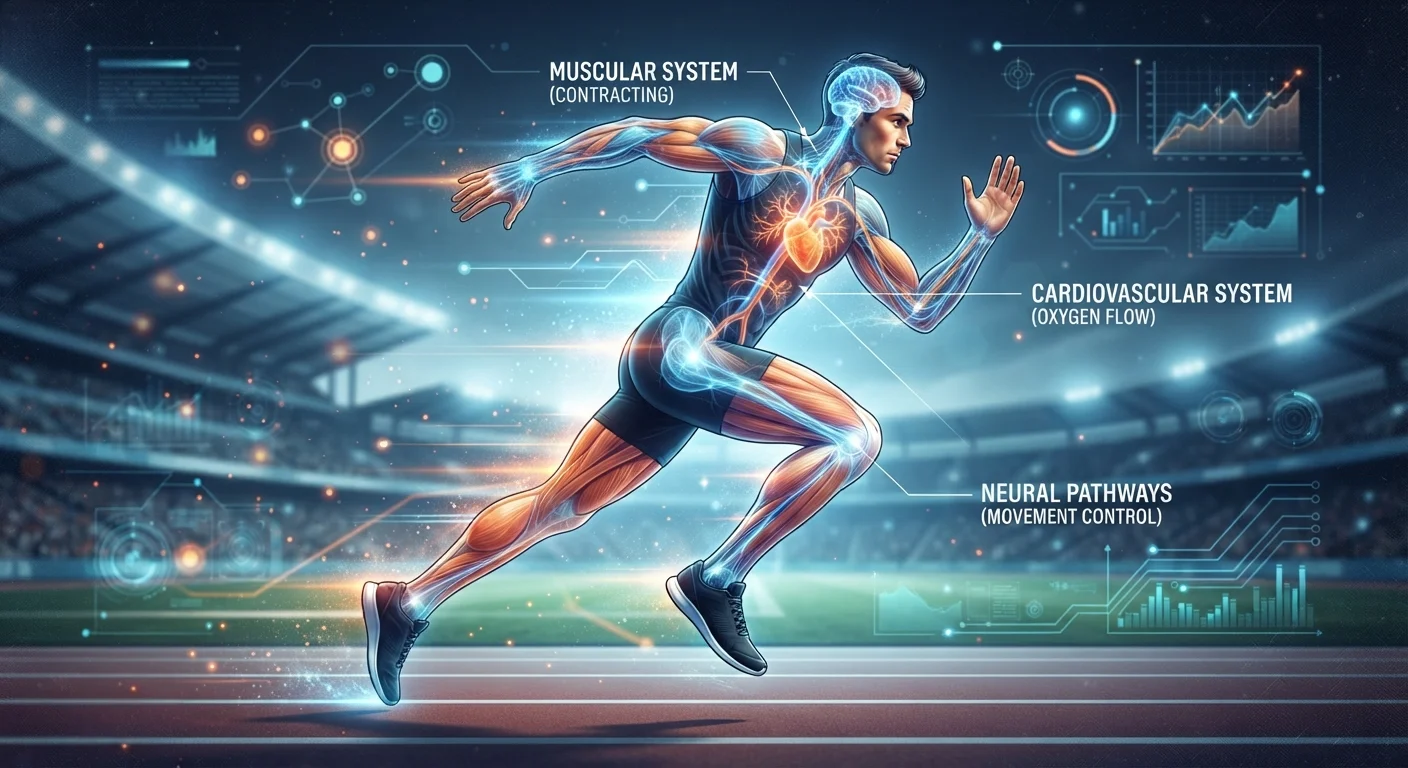
Photo credit: ProximityFinds.com | One-stop Reading Source
In this article
From cardiovascular changes to muscular and neurological adaptations, here's a comprehensive look at what happens inside the body when you exercise consistently.
Key Takeaways
- Regular exercise triggers measurable changes in the heart, lungs, muscles, bones, and nervous system.
- Cardiovascular adaptations - like a lower resting heart rate - can emerge within weeks of consistent training.
- Muscle hypertrophy and bone density improvements require sustained effort over months.
- Neurological adaptations improve movement efficiency and coordination even before visible fitness gains appear.
- Metabolic changes from regular activity support long-term energy regulation and metabolic health.
- Adaptation is gradual and reversible - consistency matters more than intensity for lasting results.
Why Adaptation Is the Point of Exercise
When you exercise, the body doesn't simply burn energy and recover - it responds by rebuilding itself to handle the same challenge more efficiently next time. This biological process, broadly called training adaptation, is the core mechanism behind every fitness benefit you've heard about, from improved endurance to stronger bones.
The principle at work is called the overload principle: applying a stress slightly beyond what the body is accustomed to prompts a physiological response that raises its capacity. Each system - cardiovascular, muscular, skeletal, neural, and metabolic - adapts on its own timeline and in its own way.
Understanding these adaptations can help people at any fitness level set realistic expectations and stay motivated. Whether you're starting movement from scratch or returning after time off, the biology is working in your favor from the very first session.
Every Session Counts, Even Short Ones
Adaptation accumulates across sessions over time, not within a single workout. Even a 20-minute walk contributes to cardiovascular and metabolic signaling. The most important thing is regularity - showing up consistently at a manageable level will produce more adaptation than sporadic intense efforts followed by long gaps.
Cardiovascular and Respiratory Changes
The heart is a muscle, and like any muscle, it responds to repeated demands by becoming more efficient. With consistent aerobic exercise, the left ventricle - the chamber that pumps blood to the body - tends to increase in volume. This means more blood is ejected with each beat, a measure called stroke volume. As a result, the heart doesn't need to beat as frequently at rest, which is why trained individuals often have noticeably lower resting heart rates.
The lungs also adapt: respiratory muscles strengthen, and the body becomes better at extracting oxygen from each breath. VO₂ max - the maximum rate at which the body can use oxygen during intense effort - is one of the most reliable markers of cardiovascular fitness and tends to improve meaningfully with regular aerobic training.
~10-20 bpm
Resting heart rate reduction in trained individuals
Research consistently shows endurance-trained adults can have resting heart rates significantly lower than sedentary peers, reflecting improved cardiac efficiency.
15-20%
VO₂ max improvement with regular aerobic training
Studies suggest previously sedentary individuals can see VO₂ max improvements in this range after several months of consistent moderate-to-vigorous aerobic exercise.
1-3%
Annual bone density gain from resistance exercise
Meta-analyses of resistance and weight-bearing exercise programs report modest but meaningful improvements in bone mineral density, particularly at the hip and spine.
Capillary density in muscle tissue also increases, improving oxygen delivery precisely where it's needed during exertion. These changes together reduce perceived effort at a given workload - that familiar feeling that something once hard has become easier.
Muscular and Skeletal Adaptations
Resistance exercise - and to a lesser extent sustained aerobic activity - stimulates muscle fibers to repair and grow. This process, hypertrophy, involves the synthesis of new contractile proteins within muscle cells. Early strength gains, however, are largely neurological rather than structural: the nervous system learns to recruit more muscle fibers simultaneously, producing strength improvements even before visible muscle growth occurs.
Bones respond to mechanical loading through a process called bone remodeling, where specialized cells called osteoblasts deposit new bone tissue in response to stress. Weight-bearing and resistance exercises are particularly effective at preserving or increasing bone mineral density - a meaningful benefit across all ages, and especially relevant for reducing fracture risk later in life. For more on how these responses shift with age, see our guide on fitness after 50.
Bone Health Requires Consistent Loading Over Years
Unlike cardiovascular fitness, which responds relatively quickly, meaningful improvements in bone density accumulate over months to years of consistent weight-bearing activity. Stopping exercise causes bone density to gradually decline. For individuals with known osteoporosis or osteopenia, exercise programming should be developed with guidance from a healthcare provider to balance benefit and fracture risk.
Connective tissues - tendons and ligaments - also adapt, though more slowly than muscle. This lag is one reason overuse injuries are common when training volume increases too rapidly.
Neurological and Hormonal Shifts
Regular physical activity reshapes the nervous system in ways that go well beyond simple muscle control. The brain improves its ability to coordinate movement patterns, a process called motor learning, which is why skilled movements become more automatic with practice. Research also supports exercise's role in promoting neuroplasticity - the brain's capacity to form new connections - particularly in regions associated with memory and executive function.
On the hormonal side, consistent exercise influences several key systems. It tends to improve insulin sensitivity, meaning cells respond more effectively to insulin and regulate blood glucose more efficiently. It also affects the hypothalamic-pituitary-adrenal (HPA) axis, which governs stress responses. Regular exercisers often show a more measured cortisol response to psychological stressors - a contrast to the patterns documented in chronic stress research.
Don't mistake early neurological gains for a plateau. The rapid strength improvements in the first four to eight weeks of training are largely the nervous system becoming more efficient - structural muscle growth comes later and requires sustained effort.
Understanding this prevents discouragement when visible physique changes lag behind performance improvements, which is a normal and expected sequence in the adaptation process.
Prioritize sleep as part of your training plan, not separate from it. The majority of muscular repair and hormonal recovery from exercise occurs during deep sleep stages.
Growth hormone secretion, which drives muscle protein synthesis, peaks during slow-wave sleep - making consistent, quality sleep a direct contributor to physical adaptation.
Metabolic Adaptations and Body Composition
At the cellular level, regular exercise increases the number and efficiency of mitochondria - the structures inside cells that convert fuel into usable energy. More mitochondria mean the body can sustain activity longer before fatiguing. Trained muscles also become better at using fat as a fuel source during moderate-intensity effort, which extends endurance and supports healthy body composition over time.
Body composition changes - shifts in the ratio of lean tissue to fat mass - occur gradually and are influenced by the type, frequency, and duration of activity, as well as nutrition. These changes are real but often slower than people expect, which is one reason consistency over intensity is the foundation of lasting metabolic benefit.
Body Weight Is Not the Best Measure of Adaptation
Scales don't capture the full picture of metabolic and compositional change. Simultaneously gaining muscle and losing fat mass can leave body weight unchanged even as meaningful improvements occur. Measures like functional fitness, resting heart rate, or energy levels often reflect adaptation more accurately than weight alone in the early months of a new routine.
How Long Adaptation Takes - and What Slows It
Timelines for adaptation vary considerably by system. Cardiovascular improvements can emerge within two to four weeks of regular aerobic training. Strength gains become measurable within the same window, though significant muscle hypertrophy typically requires several months of sustained resistance work. Bone density changes are among the slowest, often requiring a year or more to show meaningful shifts on clinical measures.
Adaptation is also reversible. Detraining - a period of inactivity - causes measurable decline in cardiovascular capacity within two to three weeks, while muscle strength is somewhat more resilient but still diminishes over months. This is why returning to exercise after a break requires a deliberate, graduated approach rather than picking up where you left off.
Factors that can impair or slow adaptation include inadequate sleep, poor nutrition, high chronic stress, and insufficient recovery time between sessions. None of these are reasons to delay starting - they are simply variables to manage thoughtfully as a routine develops.
This article is for general informational and educational purposes only and is not a substitute for professional medical advice. Consult a qualified healthcare provider before beginning any new exercise program, especially if you have an existing health condition.

Author
Health Editorial Team
Health Editorial Team is the collective byline for our editorial team and contributor network. Articles published under this byline or an editorial pen name are researched, written, and reviewed according to our editorial standards for clarity, consistency, and independence before publication.
View all articles →