
Risk Tolerance vs. Risk Capacity: Two Concepts Investors Often Confuse
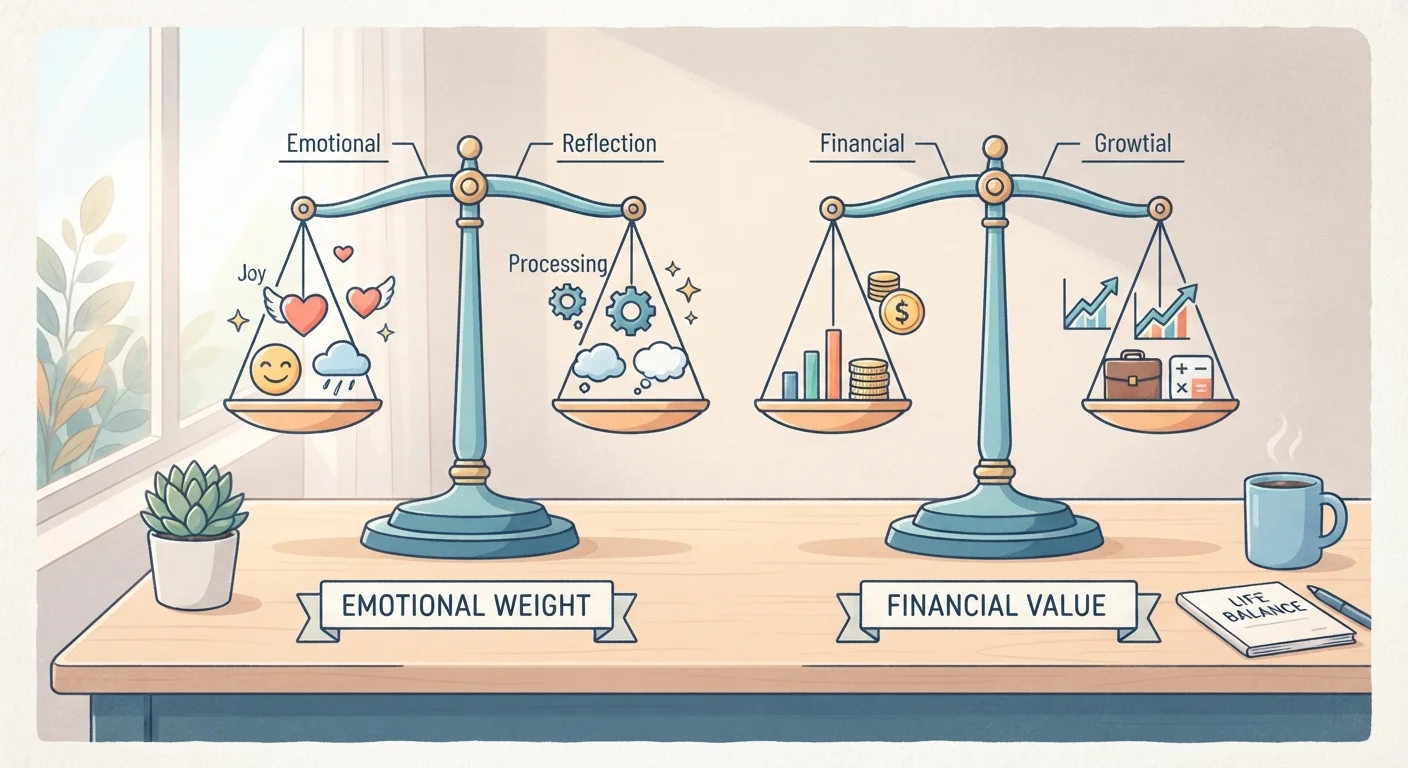
Photo credit: ProximityFinds.com | One-stop Reading Source
In this article
How much risk you're comfortable with and how much you can financially afford aren't the same thing. Understanding both matters greatly.
Key Takeaways
- Risk tolerance is psychological - it reflects your emotional comfort with market swings.
- Risk capacity is financial - it reflects what your circumstances can objectively withstand.
- Taking on more risk than your capacity allows can create serious financial hardship, even if you feel confident.
- Ignoring your true tolerance can lead to panic selling, which locks in losses at the worst moments.
- Both dimensions must be assessed together when building a sound investment strategy.
- A qualified financial adviser can help align your portfolio with both your mindset and your financial reality.
Why the Distinction Matters
When people talk about investing and risk, they often use the term risk tolerance as a catch-all. But financial professionals draw a critical distinction between two separate ideas: how much risk you want to take, and how much risk you can afford to take. Conflating the two is one of the most common - and costly - mistakes everyday investors make.
Imagine a 58-year-old with modest retirement savings, no pension, and a child heading to college in two years. She may feel confident about the stock market and have high emotional tolerance for volatility. But her financial capacity to absorb a 30% portfolio decline is extremely limited. Acting on her feelings alone could permanently impair her financial security.
Conversely, a 30-year-old with a stable career, a solid emergency fund, and decades before retirement may panic during every market dip - selling at lows and buying back at highs. His capacity is high, but his tolerance is low. Without recognizing that gap, he may consistently underperform relative to his actual financial position.
Both mismatches have real consequences. That's why understanding each concept separately - before building or adjusting a portfolio - is foundational, not optional. See our financial readiness checklist to assess where you stand before committing capital.
Risk Tolerance: The Emotional Dimension
Risk tolerance refers to your psychological ability to endure investment losses and uncertainty without abandoning your strategy. It's shaped by personality, past financial experiences, financial education, and even cultural attitudes toward money.
High risk tolerance means you can watch a portfolio drop 25% without feeling compelled to act impulsively. Low risk tolerance means even a modest correction triggers anxiety that leads to poor decisions. Neither is inherently good or bad - they simply reflect different psychological realities that must be accounted for.
Risk tolerance questionnaires, commonly used by brokerages and advisers, attempt to surface these tendencies. They ask how you'd react to hypothetical losses, how long you'd hold a declining investment, and how you'd prioritize growth versus stability. While imperfect, they're a starting point for self-awareness.
The danger of ignoring true tolerance is behavioral: overestimating it leads to portfolios that feel manageable in a bull market but trigger panic in a downturn. Behavioral traps like panic selling are almost always rooted in a mismatch between the risk an investor took on and the risk they could emotionally sustain.
| Criterion | Risk Tolerance | Risk Capacity |
|---|---|---|
| Nature | Psychological / emotional | Financial / objective |
| Primary question | How much volatility can I handle emotionally? | How much loss can my finances absorb? |
| Key influencers | Personality, experience, financial knowledge | Income, debts, time horizon, reserves |
| Measurement method | Questionnaires, self-reflection | Financial analysis, planning models |
| Main risk if ignored | Panic selling during downturns | Irreparable harm to financial goals |
| Changes over time? | Yes - shaped by experience and life stage | Yes - affected by income, obligations, events |
Risk Capacity: The Financial Dimension
Risk capacity is objective. It answers a concrete question: given your income, expenses, debts, savings, time horizon, and financial obligations, how much of a loss can your situation actually absorb without derailing your goals?
Several factors reduce risk capacity: a short investment time horizon, dependence on the portfolio for near-term income, high fixed expenses, limited emergency reserves, significant debt, and lack of income diversification. These aren't emotional variables - they're structural constraints that exist regardless of how you feel about the market.
A person with high capacity might have a 20-year runway before needing their investments, a fully funded emergency fund, low debt, and income that doesn't depend on their portfolio. Even if the market dropped significantly, they'd have time and resources to recover. A person with low capacity - perhaps nearing retirement with limited savings - simply cannot afford to wait for a recovery that might take years.
~48%
Americans with no emergency fund buffer
FINRA Investor Education Foundation research has consistently found that a large share of U.S. households lack sufficient liquid savings - directly limiting investment risk capacity.
3-6 months
Emergency savings widely recommended before investing
Most financial planning frameworks suggest maintaining three to six months of living expenses in liquid savings before taking on meaningful investment risk.
Understanding your capacity is not about limiting ambition - it's about building a strategy that can survive real-world setbacks. Once you've established that foundation, asset allocation decisions become far more grounded and durable.
Aligning Both to Build a Coherent Strategy
The practical goal is to identify where your tolerance and your capacity align - and to address the gaps thoughtfully when they don't.
If your capacity is higher than your tolerance, one approach is gradual exposure: building toward a more growth-oriented portfolio over time as you develop familiarity and confidence with market behavior. Education, experience with smaller positions, and diversification strategies can all help close this gap.
If your tolerance is higher than your capacity - the more dangerous scenario - you need discipline to resist taking on risk your situation can't support. This is where a licensed financial adviser adds genuine value: they can help quantify your capacity and set guardrails that protect you from overconfidence.
Neither metric is fixed. Life events - a job loss, inheritance, marriage, divorce, health crisis - alter both. A strategy built without revisiting these dimensions periodically will drift out of alignment. Treat both as living inputs to your plan, not one-time assessments.
This article is for general informational and educational purposes only and does not constitute personalized financial, investment, or tax advice. Individual circumstances vary. Consult a qualified, licensed financial adviser before making investment decisions.

Author
Finance Editorial Team
Finance Editorial Team is the collective byline for our editorial team and contributor network. Articles published under this byline or an editorial pen name are researched, written, and reviewed according to our editorial standards for clarity, consistency, and independence before publication.
View all articles →