
Synthetic vs. Conventional Motor Oil: What Everyday Drivers Need to Know
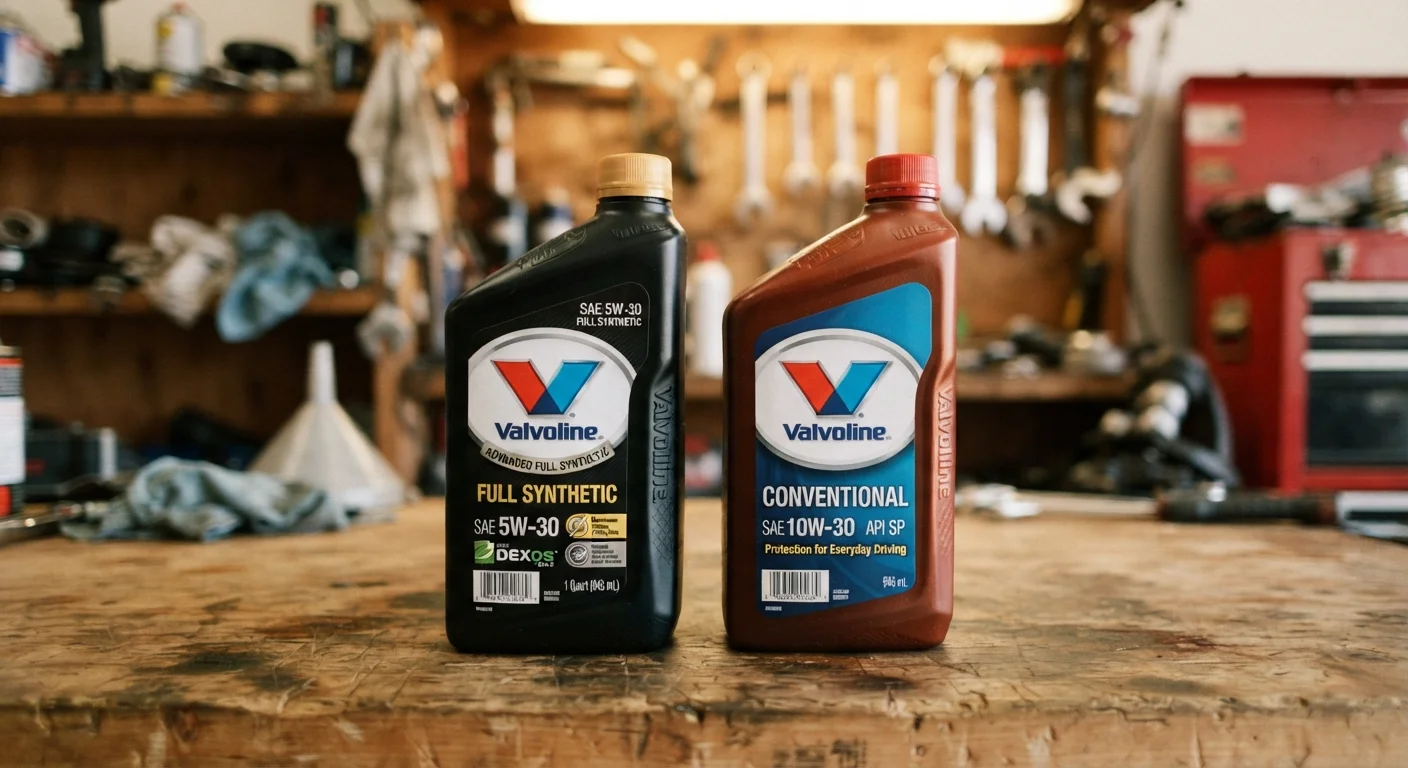
Photo credit: ProximityFinds.com | One-stop Reading Source
In this article
A clear breakdown of how synthetic and conventional motor oils differ, where each performs best, and how to read your owner's manual recommendation.
Key Takeaways
- Synthetic oil is chemically engineered for more consistent performance; conventional oil is refined directly from crude petroleum.
- Your owner's manual is the single most reliable source for which oil type your engine actually needs.
- Synthetic oil typically allows longer intervals between changes, but only if your vehicle's manufacturer supports it.
- Conventional oil remains a valid choice for many older engines and low-stress driving situations.
- Mixing oil types won't destroy your engine, but it dilutes the benefits of whichever product you're using.
What Makes These Two Oils Different
The core difference is in how each oil is made. Conventional motor oil - also called mineral oil - is refined from crude petroleum. The refining process removes impurities, but the resulting molecules aren't perfectly uniform in size or shape, which affects how the oil behaves under stress.
Synthetic motor oil, by contrast, is chemically engineered. The molecules are built to a uniform structure, which gives synthetic oil more predictable, consistent performance across a wide range of temperatures and operating conditions. Most full synthetics also start with a petroleum base that is heavily processed and then modified at the molecular level, though some are built from entirely non-petroleum feedstocks.
There's also a middle-ground product - synthetic blend oil - which mixes both types. It offers some of synthetic's performance advantages at a cost closer to conventional. For a deeper look at how viscosity grades and additives fit into all of this, see Engine Oil Demystified.
| Criterion | Synthetic Motor Oil | Conventional Motor Oil |
|---|---|---|
| Base material | Chemically engineered molecules | Refined crude petroleum |
| Cold-start performance | Flows faster in cold temps | Slower to circulate when cold |
| Heat resistance | Higher thermal stability | Breaks down faster under heat |
| Typical drain interval | Often 7,500-10,000+ miles (per manufacturer) | Typically 3,000-5,000 miles |
| Cost per quart | Higher | Lower |
| Best engine fit | Modern, turbocharged, tight-tolerance engines | Older or simpler naturally aspirated engines |
| Manufacturer requirement | Required by many new vehicles | Acceptable in many older vehicles |
Where Each Oil Actually Performs Better
Synthetic oil has measurable advantages in specific conditions. It flows faster at cold startup - the moment when most engine wear actually occurs - because its uniform molecules move more freely at low temperatures. It also holds up better under sustained high heat, which matters for turbocharged engines and vehicles that do a lot of towing or stop-and-go driving.
Conventional oil isn't a lesser product - it's just better suited to specific situations. Engines designed before widespread synthetic adoption, vehicles with high mileage that have developed minor seal wear, and drivers who already follow short, consistent change intervals often do perfectly fine with conventional oil. The key is matching the oil to what the engine actually needs.
~40%
Engine wear occurs at cold startup
Engineering research has long established that a disproportionate share of engine wear happens in the first moments after startup, before oil fully circulates - an area where synthetic oil's faster flow offers a notable advantage.
10,000 mi
Typical synthetic oil change interval
Many modern vehicles using full synthetic oil are specified by their manufacturers for intervals around 7,500 to 10,000 miles, though the correct interval always depends on the specific vehicle and driving conditions.
Understanding how oil degrades over time helps explain why the choice of oil type matters - The Logic Behind Oil Change Intervals covers that process in practical detail.
How to Know What Your Car Actually Needs
The most reliable answer to "which oil should I use?" lives in your owner's manual. Manufacturers specify the oil type and viscosity grade required for your engine - not what's cheapest or most heavily advertised at the shop. If the manual says full synthetic, use it. If it lists conventional as acceptable, that's a meaningful endorsement that conventional will protect your engine properly.
Quick-lube shops sometimes recommend premium products beyond what your vehicle requires. That doesn't mean their advice is wrong, but the manual should carry more weight. For more on navigating that tension, see Owner's Manual vs. Quick-Lube Shop.
Can You Switch Between Oil Types?
Switching from conventional to synthetic - or back - won't cause immediate engine damage. The two are chemically compatible. However, consistently mixing them dilutes the performance benefits of whichever product you're paying for. If you plan to switch, do it at a scheduled oil change and commit to one type going forward. Always confirm the switch is compatible with your vehicle's specifications before proceeding.
Oil changes are just one part of a broader maintenance picture. For a full reference on how often key services are typically needed, Car Maintenance Intervals Every Driver Should Know is a useful starting point.

Author
Automotive Editorial Team
Automotive Editorial Team is the collective byline for our editorial team and contributor network. Articles published under this byline or an editorial pen name are researched, written, and reviewed according to our editorial standards for clarity, consistency, and independence before publication.
View all articles →