
Why Overpacking Happens-and What to Do About It
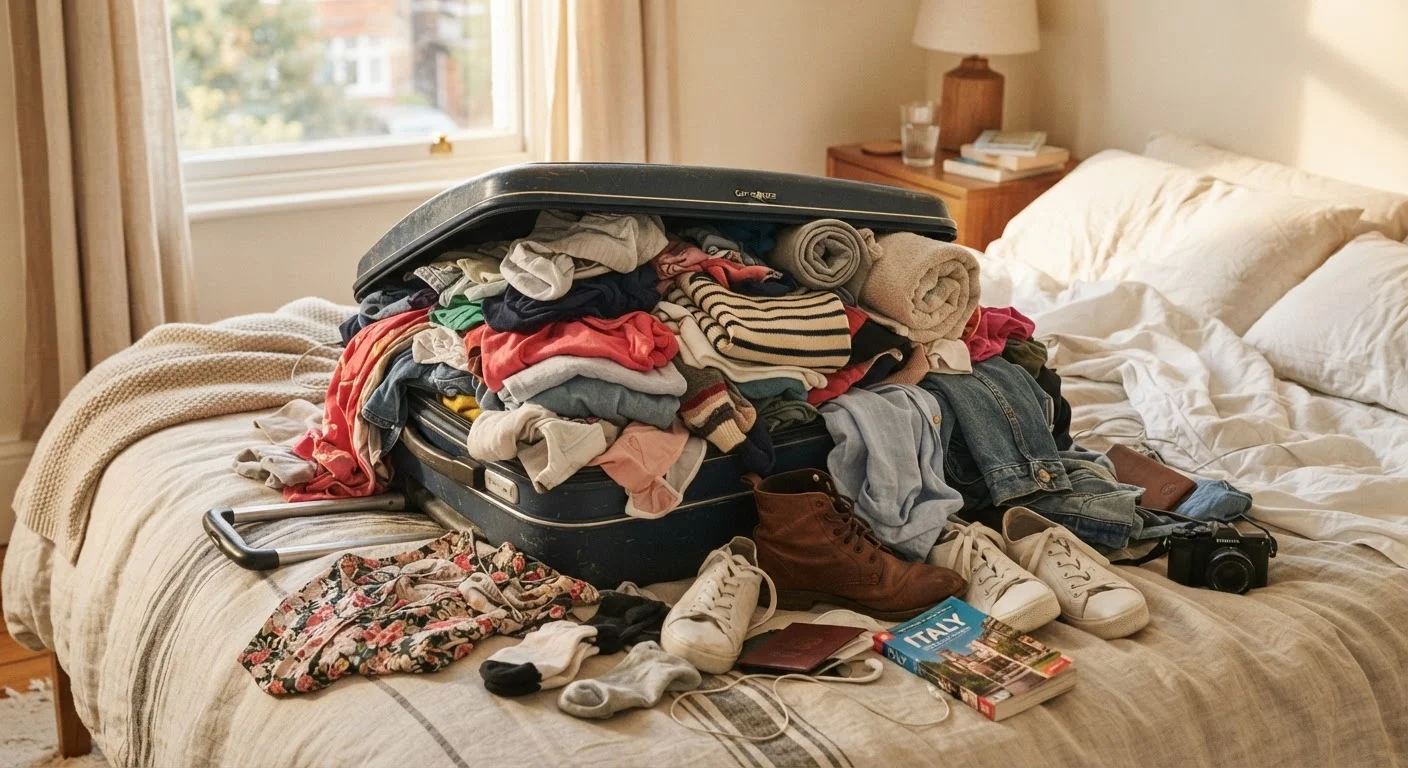
Photo credit: ProximityFinds.com | One-stop Reading Source
In this article
Overpacking isn't just a habit—it's a mindset. Understand the real reasons travelers pack too much and how to break the cycle for good.
Key Takeaways
- Overpacking is usually driven by anxiety and worst-case-scenario thinking, not actual need.
- Creating a firm packing list before you start loading the bag dramatically cuts what goes in.
- Most destinations have stores - you don't need to prepare for every possible contingency.
- Trying on outfits before packing reveals redundancies and eliminates second-guessing.
- Checking baggage weight limits and fees early in planning creates a natural cap on what you bring.
The Real Reason Your Bag Is Always Too Heavy
Overpacking rarely comes down to poor organizational skills. More often, it's a stress response - a way of trying to control the uncertainty that travel naturally brings. When you're heading somewhere unfamiliar, loading up the suitcase feels like preparation. In reality, it usually creates more problems than it solves: strained shoulders, checked-bag fees, and the exhausting task of managing more stuff than you actually need.
Understanding why you overpack is the first step toward changing it. The mental patterns that fill up bags are the same ones that fill up homes - and they're worth examining. For a deeper look at how clutter and anxiety connect, the psychology behind why clutter feels so overwhelming offers useful context that applies directly to the packing mindset.
Overpacking Can Cost You More Than Comfort
Airline checked baggage fees for overweight or extra bags can easily add $50-$200 or more to a single trip. Beyond the financial hit, hauling heavy luggage through airports, up hotel stairs, and across cobblestone streets is a genuine physical burden. Packing lighter isn't just a minimalist preference - it's a practical travel strategy.
Mistakes That Keep Travelers Overpacking - and How to Stop
The habits below show up repeatedly among travelers of all experience levels. Recognizing them in your own packing routine is the fastest way to start traveling lighter.
Packing for every possible scenario instead of the most likely ones.
Why it happens: Anticipatory anxiety pushes travelers to imagine worst-case situations - sudden cold snaps, formal dinners, medical emergencies - and pack for all of them at once.
Starting to pack without a list, just tossing things in as they come to mind.
Why it happens: Packing feels intuitive, so many travelers skip the planning step entirely - which leads to duplicates, forgotten essentials, and an overloaded bag.
Bringing full-size toiletries and duplicates of everyday items.
Why it happens: Travelers want the comfort of their usual products and often forget that toiletries are available almost everywhere.
Failing to plan outfits in advance and packing 'options' instead.
Why it happens: Without a concrete plan, travelers pack more than they need 'just to have choices,' resulting in clothes that never get worn.
Ignoring airline baggage rules until the last minute.
Why it happens: Baggage policies feel like a detail to handle later - until you're at the airport facing overweight fees or a forced repack at the check-in counter.
Smarter packing also pairs well with smarter trip planning overall. If your itinerary feels as overloaded as your bag, building a travel itinerary that leaves room to breathe covers how to structure days that don't wear you out before you've even arrived.
Building a Lighter Packing Habit Over Time
Packing light isn't a one-trip fix - it's a habit built over time, just like keeping a home organized. The same incremental approach that works for preventing clutter from building back up applies here: small, consistent decisions made before and after each trip.
~50%
Packed items never used on a typical trip
Travel surveys and frequent-traveler reports consistently find that roughly half of packed clothing and gear goes untouched by the end of a trip.
$100+
Average overage fee per overweight checked bag
Most major U.S. carriers charge between $100 and $200 for bags exceeding standard weight limits, with fees varying by airline and route.
After every trip, take five minutes to note what you never touched. That list becomes your cut list for next time. Over a few trips, most travelers discover they can comfortably live out of a bag half the size they started with - and enjoy the travel more for it. For those heading abroad, light packing is especially valuable; visit our international travel hub for destination-specific guidance that helps you plan smarter from the start.

Author
Travel Editorial Team
Travel Editorial Team is the collective byline for our editorial team and contributor network. Articles published under this byline or an editorial pen name are researched, written, and reviewed according to our editorial standards for clarity, consistency, and independence before publication.
View all articles →