
What Landlords Are Responsible for Repairing (And What Falls on the Tenant)
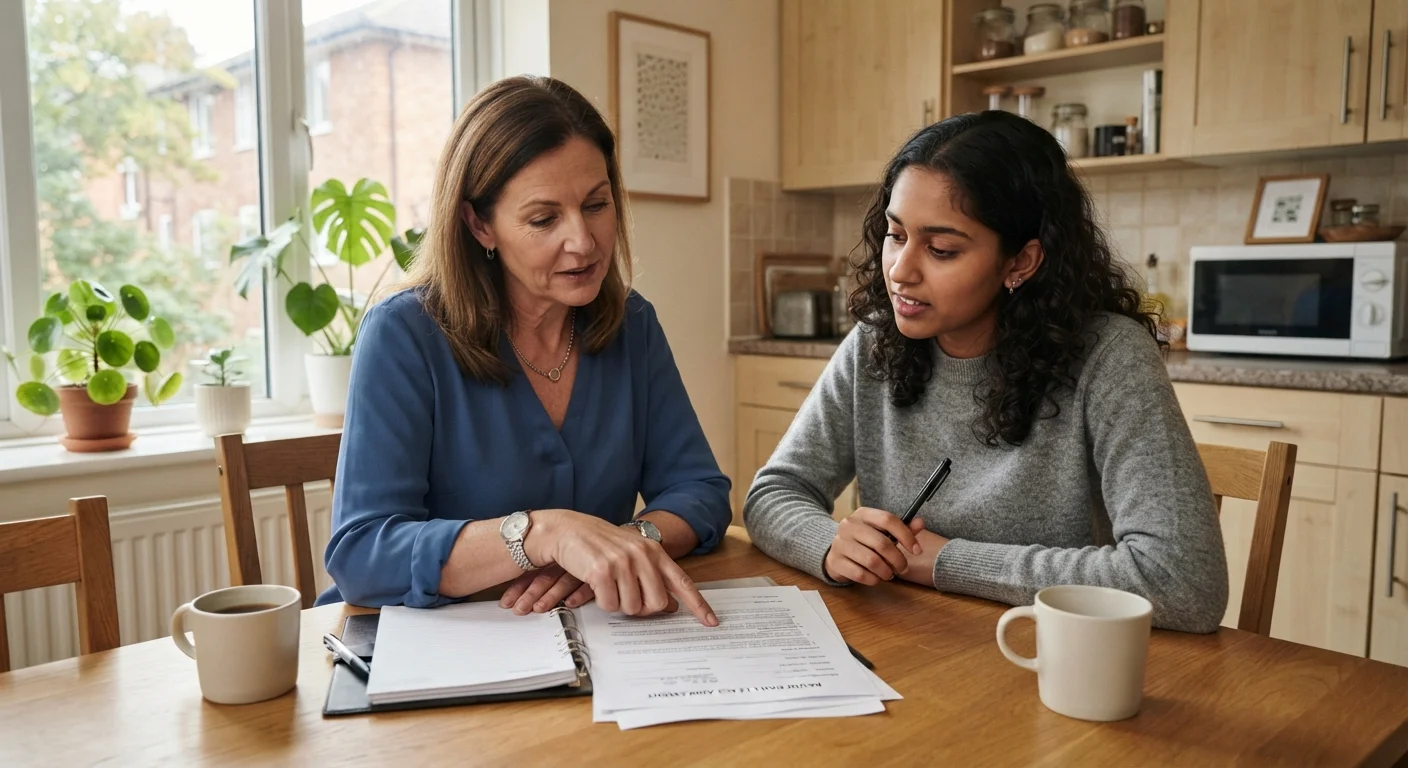
Photo credit: ProximityFinds.com | One-stop Reading Source
In this article
Responsibility for repairs depends on the lease, local law, and who caused the problem. Here's how courts and statutes generally divide the duty.
Key Takeaways
- Landlords are generally required by law to maintain habitable conditions, including working plumbing, heat, and structural safety.
- Tenants are typically responsible for repairs caused by their own negligence or misuse.
- State and local laws set a floor for landlord obligations that lease terms cannot waive.
- Written notice and documentation are critical for both parties when a repair dispute arises.
- Some states allow tenants to withhold rent or repair-and-deduct when landlords fail to act on serious issues.
The Legal Foundation: The Implied Warranty of Habitability
In most U.S. states, landlords are bound by what courts call the implied warranty of habitability - a legal doctrine holding that rental units must meet basic living standards regardless of what any lease says. This warranty cannot be signed away; a clause in a lease stating that the tenant accepts the unit "as-is" does not override it.
Habitability generally requires that the property maintain:
- Structural integrity (sound roof, walls, floors, and foundation)
- Working plumbing, hot water, and sanitation
- Adequate heat and, in some jurisdictions, cooling
- Safe electrical systems
- Freedom from pest infestations that pose a health risk
- Functioning locks and weather-tight windows and doors
What counts as a habitability violation varies by jurisdiction, but courts consistently treat the above categories as core obligations. For a broader look at protections renters carry by law, see tenant rights many renters overlook.
Always Notify in Writing
Even if your landlord prefers a phone call, follow up every verbal repair request with a written record - an email or text creates a timestamp. This protects tenants if they later need to invoke statutory remedies, and it protects landlords by documenting that they were properly notified of an issue.
What Landlords Are Responsible For
Beyond habitability, landlords are typically responsible for maintaining building systems and common areas. This includes:
- HVAC systems - heating and, where applicable, central air conditioning
- Plumbing and water heaters - keeping them functional and leak-free
- Electrical systems - safe wiring, breaker panels, and working outlets
- Common areas - hallways, stairwells, laundry rooms, and parking areas
- Appliances included in the lease - refrigerators, stoves, and dishwashers listed as part of the rental
- Pest control - particularly for infestations that pre-exist or arise through no fault of the tenant
When a landlord fails to make a required repair after receiving written notice, many states allow tenants to pursue remedies such as rent withholding, rent reduction, or repair-and-deduct - paying for the fix themselves and deducting the cost from rent up to a statutory cap. These remedies are procedurally strict; tenants typically must follow specific notice timelines before exercising them.
| Repair Type | Landlord Responsibility | Tenant Responsibility | |
|---|---|---|---|
| Structural issues (roof, walls, foundation) | Always responsible | Not responsible unless caused by tenant | |
| Plumbing and water heater | Responsible for system failures | Responsible for clogs they cause | |
| Heating and cooling systems | Responsible (heat required by law in most states) | Not responsible for system breakdowns | |
| Appliances listed in lease | Responsible for functional maintenance | Responsible for misuse damage | |
| Pest infestations | Responsible if pre-existing or building-wide | May be responsible if caused by tenant conditions | |
| Light bulbs and batteries | Generally not responsible | Tenant's routine obligation | |
| Damage from tenant negligence | Not responsible | Tenant owes repair or reimbursement | |
| Ordinary wear and tear | Landlord absorbs cost | Not chargeable to tenant |
What Tenants Are Responsible For
Tenant responsibility centers on two principles: ordinary care and causation. Tenants are expected to keep their unit reasonably clean and to avoid damaging the property through negligence or misuse. Standard tenant obligations include:
- Replacing light bulbs and smoke detector batteries
- Keeping drains clear of clogs caused by their own use
- Reporting maintenance issues to the landlord in writing, promptly
- Repairing or paying for damage caused by themselves, guests, or pets
- Minor wear-and-tear management (e.g., tightening a loose cabinet hinge)
The lease will usually describe what tenants must maintain, but state law typically distinguishes ordinary wear and tear - gradual deterioration from normal use - from actual damage. A scuffed baseboard is wear and tear; a hole in the wall is damage the tenant owes. This distinction is central to security deposit disputes as well. Security deposit rules govern how landlords may charge for such damage after move-out.
Don't Withhold Rent Without Legal Guidance
Rent withholding and repair-and-deduct are legitimate legal remedies in many states - but they come with strict procedural requirements. Tenants who skip the required steps risk eviction for nonpayment even if the underlying repair complaint is valid. Review your state's specific statutes or consult a housing attorney before stopping or reducing rent payments.
How to Handle a Repair Dispute
Most repair conflicts arise because of poor communication or documentation - not fundamental disagreement about who owes what. Whether you are a tenant or landlord, these practices reduce your exposure:
- Put everything in writing. Tenants should submit repair requests via text, email, or certified mail. Landlords should acknowledge requests and document completed work.
- Photograph the condition. Time-stamped photos establish the state of a problem before and after a repair is made.
- Know your state's response window. Most states require landlords to address emergency repairs within 24-72 hours and non-emergency issues within a "reasonable" period, often interpreted as 14-30 days.
- Avoid self-help remedies without legal authority. Tenants who withhold rent or repair-and-deduct without following statutory procedures risk eviction for nonpayment.
Many disputes that reach housing court involve issues that a written notice and prompt response could have resolved. Common renting myths - such as the belief that verbal agreements about repairs are enforceable - often make these conflicts worse. If a dispute escalates, consulting a licensed attorney familiar with your state's landlord-tenant statutes is advisable before taking legal action.
This article provides general legal information only and is not a substitute for advice from a licensed attorney. Laws governing landlord and tenant responsibilities vary significantly by state and municipality. Readers should verify the rules that apply in their jurisdiction before taking action.

Author
Real Estate Editorial Team
Real Estate Editorial Team is the collective byline for our editorial team and contributor network. Articles published under this byline or an editorial pen name are researched, written, and reviewed according to our editorial standards for clarity, consistency, and independence before publication.
View all articles →