
Why Buyers Lose Deals - and the Negotiation Habits That Prevent It
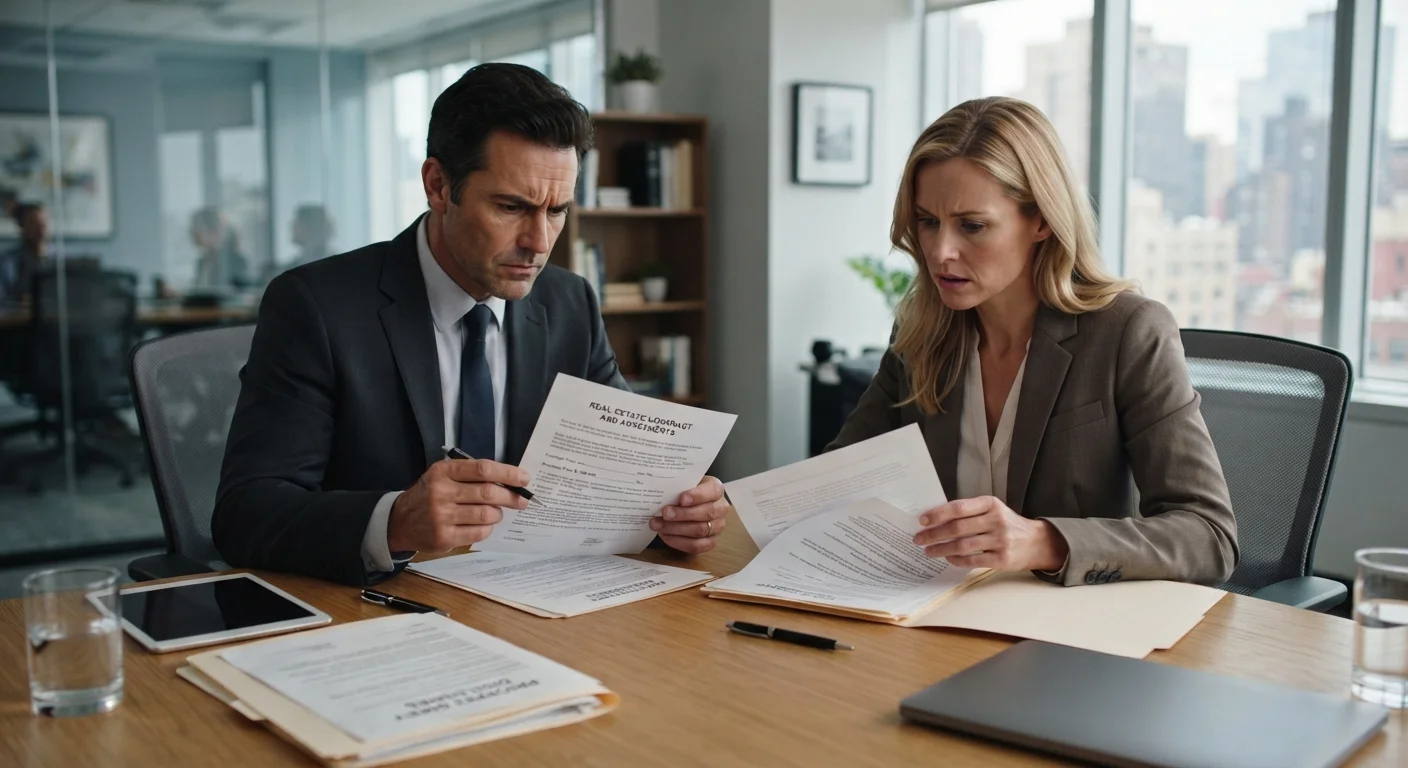
Photo credit: ProximityFinds.com | One-stop Reading Source
In this article
From waiving inspections to skipping contingencies, these missteps can derail your purchase. Here's how to negotiate more safely.
Key Takeaways
- Waiving inspection contingencies to win bids can expose buyers to costly hidden defects.
- Emotional over-bidding without financing clarity is one of the most common deal-killers.
- Understanding contingency terms before signing protects buyers legally and financially.
- A clear negotiation strategy - not just a high offer - is what separates successful buyers.
Why the Negotiation Stage Is Where Deals Fall Apart
Most buyers assume the hardest part of purchasing a home is finding the right property. In practice, the negotiation phase is where deals collapse - sometimes quietly, sometimes expensively. Whether it's an overeager offer stripped of protections or a slow response that signals weak intent to sellers, small missteps during this window carry outsized consequences.
Understanding what commonly goes wrong - and why - gives buyers a structural advantage. Before you make or respond to an offer, it's worth reviewing key terms every homebuyer should understand so you're negotiating with full comprehension of what you're agreeing to.
Waiving the inspection contingency to make an offer more competitive.
Why it happens: In competitive markets, buyers fear losing to other offers and assume waiving inspections signals commitment. Seller's agents sometimes suggest it increases attractiveness.
Making an offer without confirmed financing, then failing to close on time.
Why it happens: Buyers often receive informal pre-qualification letters and treat them as firm commitments. Full underwriting approval is a separate and more rigorous process.
Over-bidding based on emotion without a clear ceiling tied to appraised value.
Why it happens: Competitive bidding creates urgency and loss-aversion. Buyers anchor to the property rather than to their financial limits, resulting in offers that outpace the home's appraised value.
Skipping or misunderstanding contingency deadlines in the purchase contract.
Why it happens: Purchase contracts contain multiple time-sensitive clauses - inspection periods, financing deadlines, appraisal windows - that buyers sometimes overlook when focused on price.
Requesting excessive repairs after the inspection, causing the deal to collapse.
Why it happens: Buyers receive a detailed inspection report and feel entitled to a pristine property. Submitting a long repair list for cosmetic or minor issues signals inexperience and can alienate motivated sellers.
Habits That Keep Buyers in Control
Avoiding the mistakes above is half the equation. The other half is building deliberate habits that keep negotiations grounded. Buyers who close with few regrets tend to share a common approach: they treat the purchase contract as a living document with legal weight, not a formality to rush through.
~32%
Home purchase contracts that fall through
Industry data consistently suggests roughly a third of real estate contracts fail to close, with financing issues and inspection disputes among the most cited causes.
1-3%
Typical earnest money deposit at risk
Buyers typically deposit 1-3% of the purchase price as earnest money, which can be forfeited if they back out outside of contingency protections.
One of the most protective habits is maintaining open communication with your real estate agent throughout every counter-offer exchange. Sellers and their agents read tone - delayed responses, confusing counter-terms, or sudden requests for excessive repairs after a clean inspection can all erode goodwill. For a deeper look at what sellers see on their side of the table, see how sellers read and respond to purchase offers.
Equally important is knowing when to hold firm versus when to concede strategically. Inspection-related negotiations, in particular, require careful calibration - post-inspection negotiation dynamics often determine whether a deal closes or unravels at the final stage. Buyers who approach this phase with clear priorities - what defects are deal-breakers versus acceptable - negotiate from a position of clarity rather than anxiety.
Finally, prepare for the documents waiting at the finish line. Knowing what you'll sign before closing helps buyers avoid last-minute surprises; consult our guide to the documents you'll sign before closing well in advance. For a comprehensive view of what separates buyers who close confidently, the habits of buyers who navigate the purchase process without major regrets is a practical companion to this guide.
Verbal Agreements Don't Hold in Real Estate
Any change to a purchase agreement - a price reduction, a repair credit, an extended closing date - must be documented in writing and signed by both parties to be enforceable. Relying on verbal assurances from a seller's agent is not a substitute for a written addendum. Always confirm modifications through your agent and ensure both parties execute the change before proceeding.

Author
Real Estate Editorial Team
Real Estate Editorial Team is the collective byline for our editorial team and contributor network. Articles published under this byline or an editorial pen name are researched, written, and reviewed according to our editorial standards for clarity, consistency, and independence before publication.
View all articles →