
Understanding the Relationship Between Fiber and Digestive Health
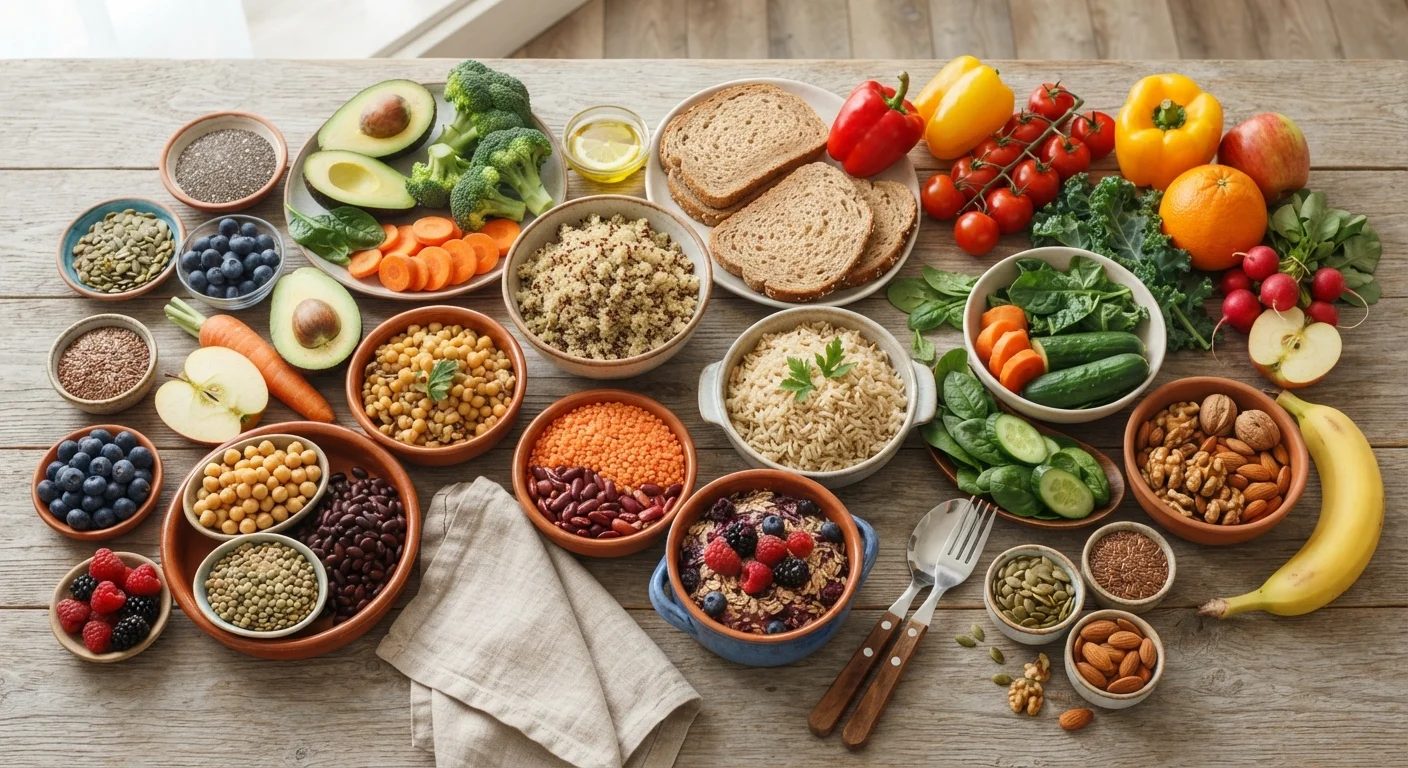
Photo credit: ProximityFinds.com | One-stop Reading Source
In this article
Dietary fiber does more than aid digestion. Learn how soluble and insoluble fiber work, where to find them, and why both matter.
Key Takeaways
- Dietary fiber comes in two main forms - soluble and insoluble - each with distinct digestive benefits.
- Most American adults consume well below the recommended daily fiber intake.
- High-fiber foods include legumes, whole grains, fruits, vegetables, and nuts.
- Adequate fiber intake is associated with reduced risk of constipation, heart disease, and type 2 diabetes.
- Increasing fiber intake gradually and drinking enough water helps avoid digestive discomfort.
Two Types of Fiber, Two Sets of Benefits
Not all fiber works the same way in the body. Understanding the distinction between soluble and insoluble fiber helps explain why nutritionists encourage a wide variety of plant foods rather than relying on a single source.
Soluble fiber dissolves in water to create a gel-like substance in the digestive tract. This slows the absorption of glucose, which helps stabilize blood sugar levels after meals. It also binds to cholesterol particles and carries them out of the body, which is one reason high-fiber diets are associated with improved cardiovascular health. Oats, barley, apples, citrus fruits, and beans are all rich sources of soluble fiber.
Insoluble fiber, on the other hand, does not dissolve. It adds bulk and weight to stool, speeding the movement of material through the intestines. This reduces the time that waste - and potentially harmful substances - spends in contact with the gut lining. Whole wheat, bran, nuts, and most vegetables are good sources of insoluble fiber.
Aim for Variety, Not Just Volume
Getting fiber from a wide range of plant foods - rather than relying on a single source - ensures you receive both soluble and insoluble types, along with the different gut-supporting compounds each food provides. Try to include at least three distinct plant food categories in your daily meals.
The State of American Fiber Intake
Despite fiber's well-established role in health, research consistently shows that most Americans are not meeting recommended intake levels. This shortfall is sometimes called the "fiber gap" by nutrition researchers and is largely attributed to diets heavy in processed and refined foods, which have most of their natural fiber stripped away.
~5%
US adults meeting daily fiber recommendations
Research published in the American Journal of Lifestyle Medicine estimates that only about 5% of Americans meet adequate intake levels for dietary fiber.
25-38g
Recommended daily fiber intake for adults
The Dietary Guidelines for Americans recommend 25 grams per day for adult women and 38 grams per day for adult men, with needs varying by age.
10-15g
Average daily fiber intake in the US
Nutrition survey data consistently shows that average American adults consume only about 10 to 15 grams of dietary fiber daily - well below recommended levels.
The digestive consequences of low fiber intake are widely felt - from occasional constipation to irregular bowel habits. Beyond the gut, low fiber intake has been linked in population studies to higher rates of cardiovascular disease and type 2 diabetes, though it is important to note these are associations observed in large groups and do not guarantee outcomes for any individual.
Whole food sources are always preferable to supplements because they deliver fiber alongside vitamins, minerals, and phytonutrients that work together in the body. Staying well hydrated is also essential - water allows both types of fiber to function effectively and prevents the bloating or constipation that can occur when fiber intake rises without adequate fluid intake.
Practical Steps for Increasing Fiber Intake
Building a higher-fiber diet does not require a complete dietary overhaul. Small, consistent shifts in food choices can meaningfully increase daily fiber intake over time.
- Choose whole grains: Swap refined bread, pasta, and rice for whole-grain versions. Even partial swaps make a difference.
- Add legumes regularly: Lentils, chickpeas, black beans, and edamame are among the most fiber-dense foods available and work well in soups, salads, and side dishes.
- Eat fruits and vegetables with the skin on: The skin of apples, pears, cucumbers, and potatoes contains a significant portion of the fiber.
- Snack on nuts and seeds: Almonds, chia seeds, and flaxseeds are compact, fiber-rich options that also provide healthy fats.
Fiber Supplements Are Not the Same as Food
Psyllium husk and other fiber supplements can be useful in specific situations, but they do not replicate the full nutritional package that comes from fiber-rich whole foods. Whole foods also feed a broader range of beneficial gut bacteria. If you are considering a fiber supplement, it is worth discussing with a healthcare professional first, especially if you take medications, as fiber can affect how some drugs are absorbed.
Increase fiber gradually - adding too much too fast is a common reason people experience gas and bloating. Give your gut microbiome time to adjust, and you are more likely to sustain the change long-term.
This article is for general informational purposes only and is not a substitute for professional medical or dietary advice. If you have a digestive condition or specific health concerns, consult a qualified healthcare provider or registered dietitian.
Frequently Asked Questions

Author
Health Editorial Team
Health Editorial Team is the collective byline for our editorial team and contributor network. Articles published under this byline or an editorial pen name are researched, written, and reviewed according to our editorial standards for clarity, consistency, and independence before publication.
View all articles →