
Protein Sources Compared: Animal, Plant, and Everything Between
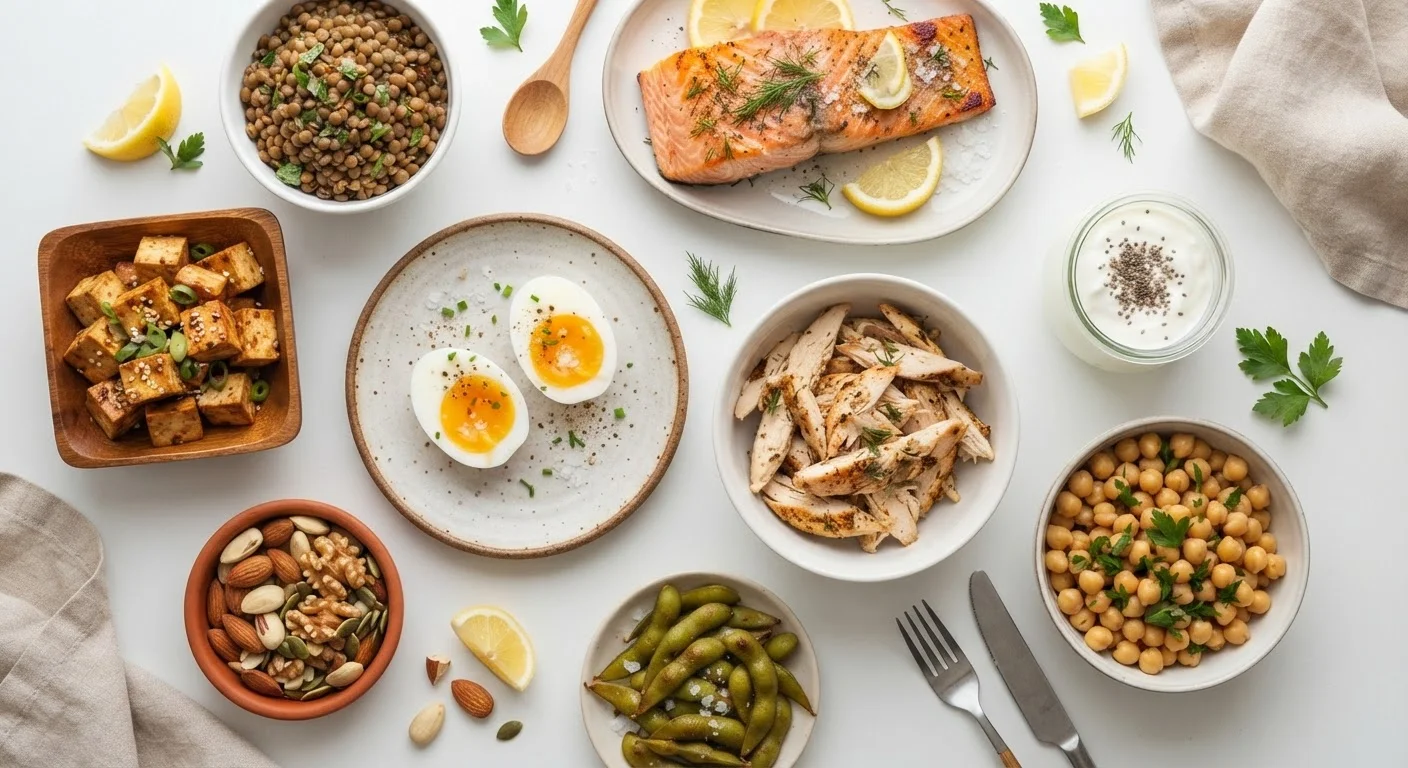
Photo credit: ProximityFinds.com | One-stop Reading Source
In this article
From chicken to chickpeas, protein sources vary in amino acid profiles, bioavailability, and broader health implications.
Key Takeaways
- Animal proteins are generally 'complete,' containing all nine essential amino acids in sufficient amounts.
- Most plant proteins are 'incomplete' but can be combined across the day to meet amino acid needs.
- Bioavailability - how well your body absorbs and uses protein - differs meaningfully between sources.
- Emerging options like eggs, dairy, and legumes bridge the gap between purely animal and plant choices.
- Dietary context, health goals, and individual tolerance all matter when choosing protein sources.
What Makes a Protein Source 'Good'?
Protein quality is evaluated on two main axes: amino acid completeness and bioavailability. Proteins are made of 20 amino acids, nine of which are considered essential - meaning the body cannot synthesize them and must obtain them from food. A protein source containing all nine in adequate proportions is called a complete protein.
Bioavailability refers to how efficiently digested protein is absorbed and used by the body. Scientists use tools like the DIAAS to rank sources. Animal proteins generally score higher because their amino acid ratios more closely match human tissue needs and their digestibility is greater. However, a high DIAAS score does not automatically make a food the right choice for every person or every meal pattern.
Beyond these metrics, protein sources vary in their broader nutritional 'package' - the fats, fiber, vitamins, and minerals that travel alongside the protein itself. That wider context matters for overall health outcomes.
Animal Proteins: High Quality, Higher Complexity
Meat, poultry, fish, eggs, and dairy are all complete proteins with high bioavailability. Fatty fish such as salmon and mackerel pair protein with omega-3 fatty acids linked to cardiovascular and cognitive health. Eggs are widely regarded by nutrition researchers as a nutritionally dense protein source with a near-ideal amino acid profile.
Red and processed meats are more complicated. While beef and pork deliver complete protein, iron, and B vitamins, higher consumption of processed meats (bacon, sausage, deli cuts) has been associated in large observational studies with increased risk of certain chronic diseases. The WHO classifies processed meats as Group 1 carcinogens based on this body of evidence. This does not mean moderate consumption causes guaranteed harm, but it is a consideration worth weighing.
Watch Processed Meat Consumption
Bacon, sausage, hot dogs, and deli meats may be convenient protein sources, but regular high consumption is associated with elevated health risks in large observational studies. The WHO classifies processed meats as Group 1 carcinogens based on colorectal cancer risk data. Treating them as occasional rather than daily staples aligns with most major dietary guidelines.
Dairy - milk, yogurt, cheese - offers protein alongside calcium and, in fermented forms, beneficial probiotics. It suits many people well, though lactose intolerance affects a significant portion of adults worldwide and should be factored into individual choices.
Plant Proteins: Incomplete but Far From Inadequate
Legumes (beans, lentils, chickpeas), soy foods, nuts, seeds, and whole grains are the primary plant protein sources. Most are incomplete - meaning they lack sufficient amounts of one or more essential amino acids. For example, legumes are low in methionine, while grains are low in lysine. However, eating a variety of plant proteins across the day naturally compensates for these gaps without requiring precise meal-by-meal pairing.
Soy is a notable exception: it is one of the few plant foods considered a complete protein. Tofu, tempeh, and edamame are all soy-based and nutritionally versatile. Quinoa is another plant food that provides all nine essential amino acids.
You Don't Need to Pair Plant Proteins at Every Meal
Older nutrition advice suggested combining complementary plant proteins - like rice and beans - at the same meal. Current evidence shows the body can pool amino acids throughout the day. Eating a variety of plant protein foods across meals is sufficient for most healthy adults. Focus on overall dietary variety rather than precise per-meal combinations.
Plant proteins come packaged with dietary fiber, antioxidants, and phytonutrients that animal proteins generally lack. Research consistently associates higher legume and whole-grain intake with reduced risk of type 2 diabetes, cardiovascular disease, and certain digestive conditions. The trade-off is lower protein density per calorie and, in some cases, the presence of antinutrients like phytates that can reduce mineral absorption - though cooking and preparation methods substantially reduce these compounds.
| Animal Proteins | Dairy & Eggs | Legumes | Soy Foods | Nuts & Seeds | |
|---|---|---|---|---|---|
| Complete protein? | Yes | Yes | No (most) | Yes | No (most) |
| Bioavailability | High | High | Moderate | Moderate-High | Moderate |
| Fiber content | None | Minimal | High | Moderate | Moderate |
| Saturated fat | Varies (low-high) | Low-moderate | Very low | Very low | Low (mostly unsaturated) |
| Suitable for plant-based diet? | No | Vegetarian only | Yes | Yes | Yes |
| Key nutrient bonus | Iron, B12, zinc | Calcium, probiotics | Fiber, folate | Isoflavones, iron | Healthy fats, magnesium |
Practical Guidance for Everyday Eating
For most adults, total protein intake and overall dietary pattern matter more than the precise source of every gram of protein. Public health guidelines in the United States, including those from the DGA, encourage Americans to include a variety of protein foods - seafood, lean meats, poultry, eggs, legumes, nuts, and seeds - while limiting processed meats and high-saturated-fat options.
People with specific health conditions, those in special populations (pregnant individuals, older adults, athletes), or those following restrictive diets should seek personalized guidance from a registered dietitian or qualified healthcare provider. Protein needs shift with age, activity level, and health status - a one-size approach does not apply.
This article is for general informational and educational purposes only and is not a substitute for professional medical or dietary advice. Always consult a qualified healthcare professional for guidance specific to your health needs.

Author
Health Editorial Team
Health Editorial Team is the collective byline for our editorial team and contributor network. Articles published under this byline or an editorial pen name are researched, written, and reviewed according to our editorial standards for clarity, consistency, and independence before publication.
View all articles →