
Common Ways People Accidentally Make Anxiety Worse
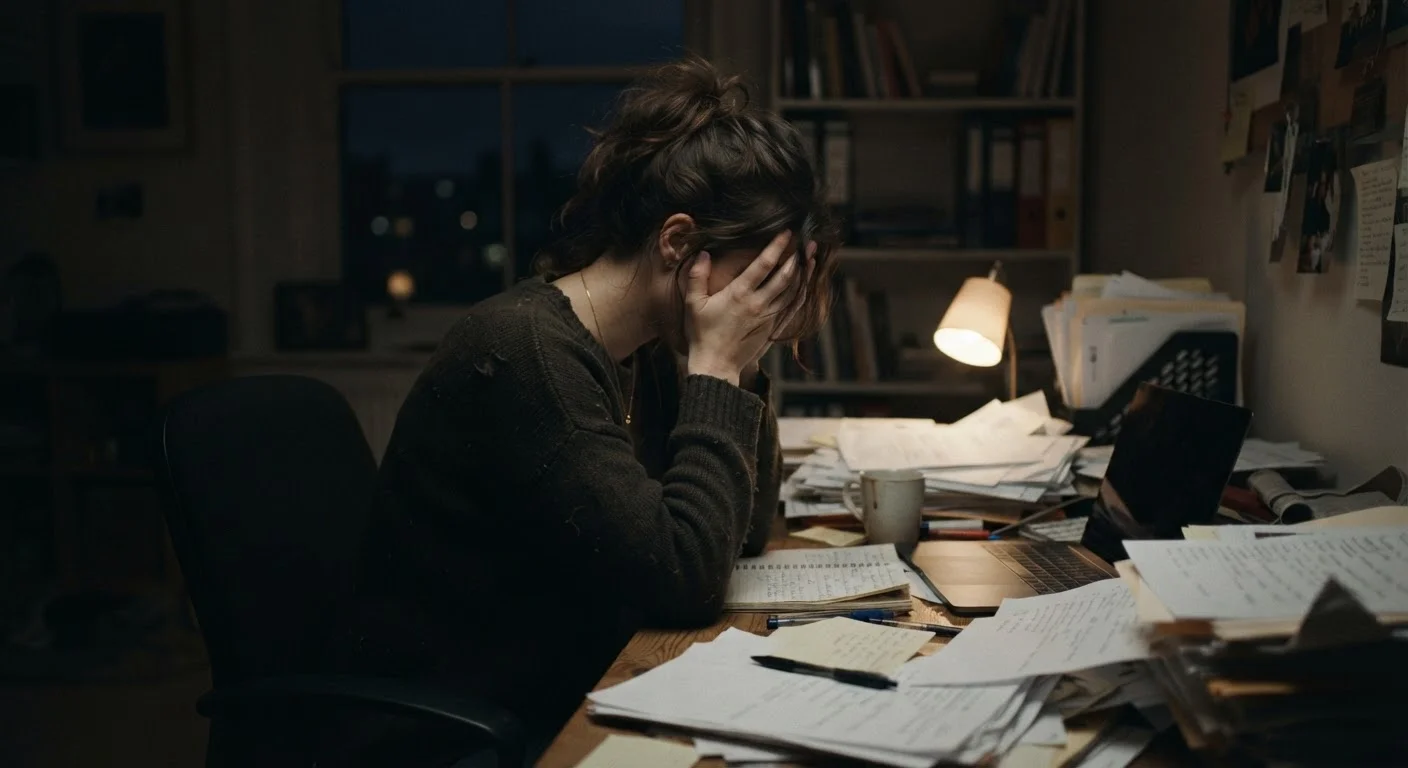
Photo credit: ProximityFinds.com | One-stop Reading Source
In this article
Some well-intentioned coping habits — like constant reassurance-seeking — can reinforce anxiety. Learn which patterns to watch out for.
Key Takeaways
- Avoidance and reassurance-seeking are common habits that unintentionally strengthen anxiety over time.
- Overusing your phone for distraction can prevent the emotional processing anxiety actually requires.
- Recognizing these patterns is a meaningful first step toward more effective self-management.
- A mental health professional can help you replace unhelpful coping habits with evidence-based strategies.
Why Good Intentions Can Backfire
When anxiety strikes, the instinct is to make the feeling stop as quickly as possible. That impulse is understandable - anxiety is genuinely uncomfortable. But several of the most common relief strategies people reach for are, according to clinical research, counterproductive. They may quiet discomfort in the moment while teaching the brain that anxiety is a threat to be escaped rather than a manageable experience to move through.
This isn't about blame. Most of these patterns develop gradually, feel logical, and are often reinforced by the short-term relief they provide. Understanding why they backfire - and what to do instead - is far more useful than self-criticism.
For a related look at how emotional reasoning can derail decision-making in other areas of life, see how behavioral traps affect long-term plans.
Avoiding situations that trigger anxiety.
Why it happens: Avoidance produces immediate relief, which feels like evidence that it worked. Over time, the brain learns that the situation is dangerous and that escape is the only solution.
Seeking constant reassurance from others or the internet.
Why it happens: Reassurance provides a brief sense of certainty, which temporarily quiets anxious thoughts. But the relief is short-lived, and the cycle of doubt returns - often stronger.
Using phone scrolling or other distractions as a primary coping tool.
Why it happens: Digital distraction is instantly available and feels like a neutral escape. Research on social media and mental health - explored in depth at what studies actually show - suggests the relationship is complex and often not calming.
Catastrophizing without challenging the thought.
Why it happens: The anxious brain is wired to scan for worst-case scenarios. Without practice, these thoughts feel like facts rather than interpretations.
Relying on over-preparation and excessive planning to feel safe.
Why it happens: Hyper-planning feels productive and temporarily reduces uncertainty. But it reinforces the belief that only perfect preparation keeps danger at bay.
Breaking the Cycle: What Evidence-Based Support Looks Like
The mistakes listed above share a common thread: they prioritize short-term comfort over long-term nervous system regulation. Evidence-based approaches - including cognitive behavioral therapy (CBT) and acceptance-based techniques - work in the opposite direction. They teach the brain, through repeated experience, that anxiety can be tolerated and that feared outcomes usually don't materialize.
~19%
US adults with an anxiety disorder annually
According to the Anxiety and Depression Association of America, anxiety disorders are among the most common mental health conditions in the United States.
~37%
Of those affected who receive treatment
The Anxiety and Depression Association of America estimates that fewer than 40% of people with anxiety disorders seek or receive treatment, despite effective options being available.
If you find yourself frequently relying on reassurance, avoidance, or distraction to get through the day, that pattern is worth discussing with a licensed mental health professional. Self-awareness is a meaningful start, but changing deeply ingrained responses typically benefits from structured guidance.
It's also worth examining the messages we absorb about anxiety management. Forced optimism, for example, can make emotional distress worse rather than better - and the same principle applies to dismissing anxiety with willpower alone. Similarly, if you're supporting someone else, knowing what actually helps in a mental health conversation matters more than good intentions alone.
When Anxiety Requires Professional Support
If anxiety is interfering with your work, relationships, sleep, or daily functioning, self-help strategies alone may not be sufficient. Persistent or severe anxiety can be a sign of an anxiety disorder that responds well to professional treatment, including therapy and, in some cases, medication. Please speak with a qualified healthcare provider rather than relying solely on self-management techniques.
This article is for general informational and educational purposes only and is not a substitute for professional mental health advice, diagnosis, or treatment. If anxiety is significantly affecting your daily life, please consult a qualified mental health professional.

Author
Health Editorial Team
Health Editorial Team is the collective byline for our editorial team and contributor network. Articles published under this byline or an editorial pen name are researched, written, and reviewed according to our editorial standards for clarity, consistency, and independence before publication.
View all articles →